
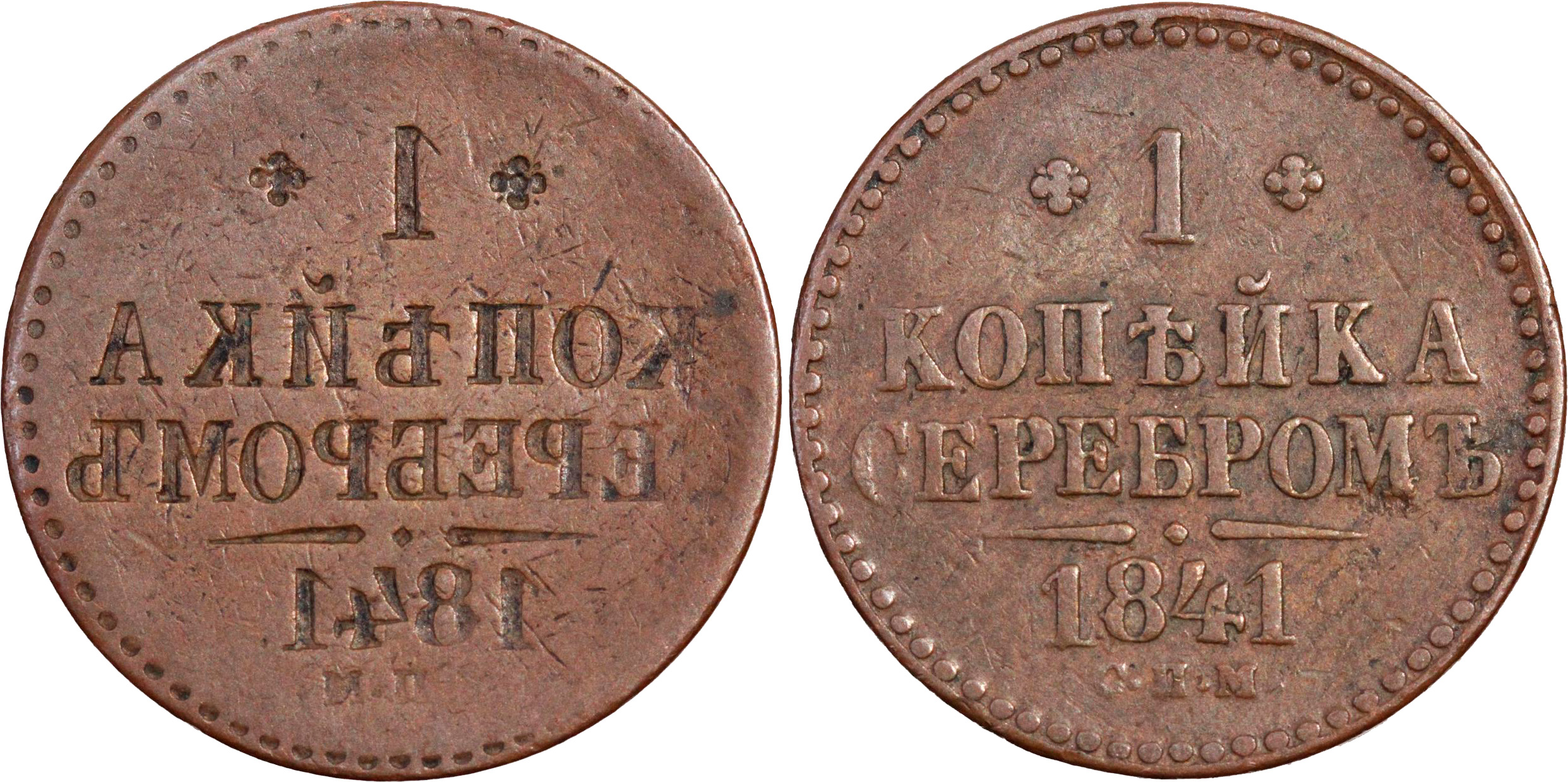
Minting error coin of 1841.
On November 12, Emperor Nicholas I issued a personal Decree to the Senate to draw up a general plan for savings banks in Russia and to establish the first banks in Moscow and Saint Petersburg. This Decree marked the beginning of all banking in our country. “Considering the benefit that savings banks can bring both in economic and moral terms,” the emperor justified his decision, “we order the establishment of savings banks... so as to provide people of limited means of all kinds with a way to save...”. In 1842, the first savings banks opened in Saint Petersburg and Moscow under the Deposit Treasuries, as well as in Odessa under the Board of Public Charity.
The first client of the first Russian savings bank was Nikolai Kristofari, an employee of the Loan Treasury in Saint Petersburg. On March 1, 1842, he opened a deposit of 10 rubles—the maximum amount then allowed in savings banks. Today, several monuments have been erected in his memory, including one in Saint Petersburg.
In total, on the first day of operation of the first Saint Petersburg savings bank, 76 depositors visited it, opening accounts totaling 426 rubles 50 kopecks. The bank performed one deposit operation—accepting and paying out money while accruing interest on the accepted sums. The bank operated once a week—on Sunday.
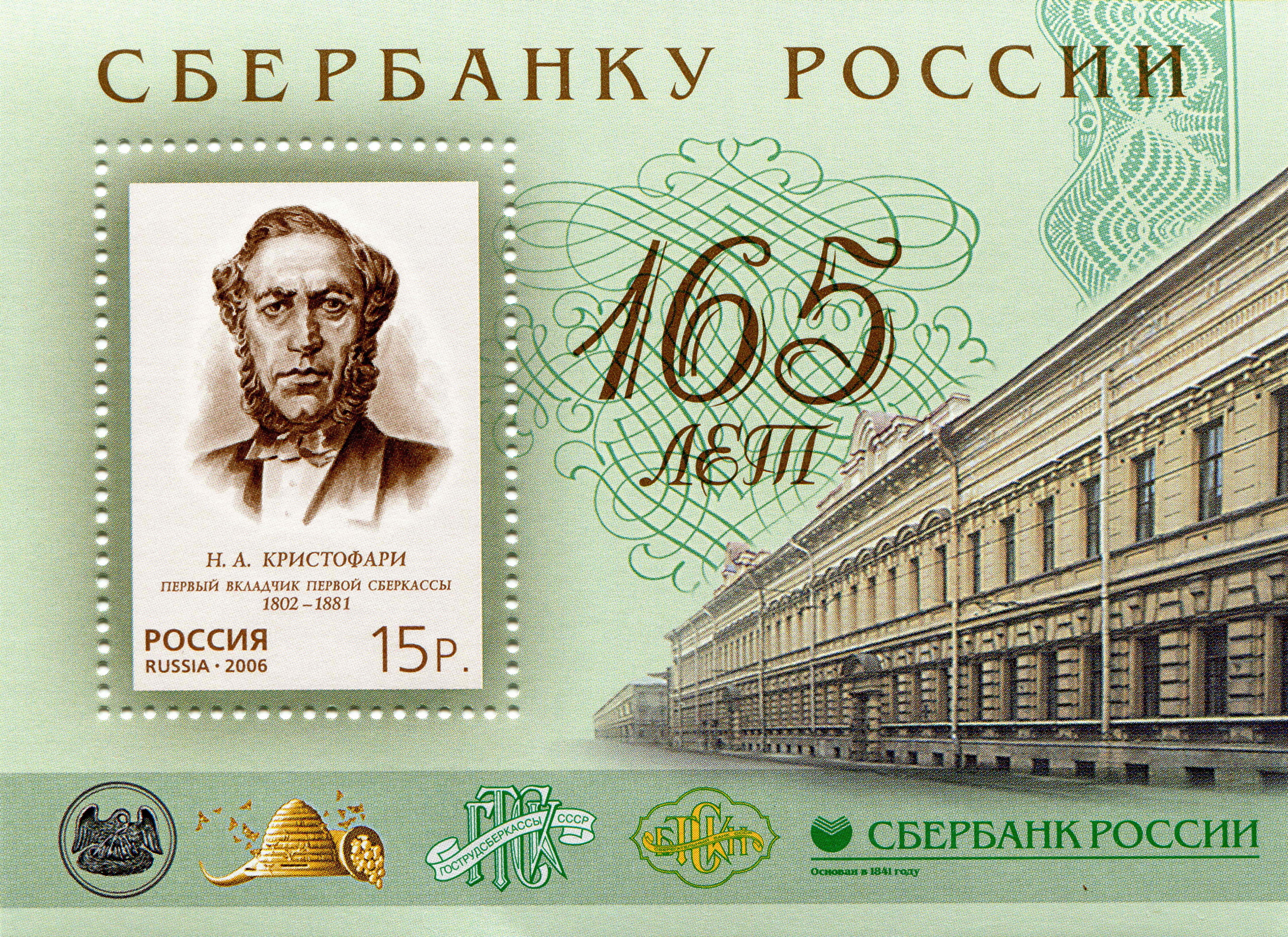
Depositors were issued a passbook, on the title page of which was displayed an image of a pelican with chicks. It is believed that this bird cares very devotedly for its offspring, which alluded to the purpose of creating savings banks—financing the needs of Foundling Homes.

In 1846–1860, another 45 such banks were established in almost all provincial capitals of the country.
With the Bolsheviks coming to power, savings banks, unlike commercial banks, were preserved.
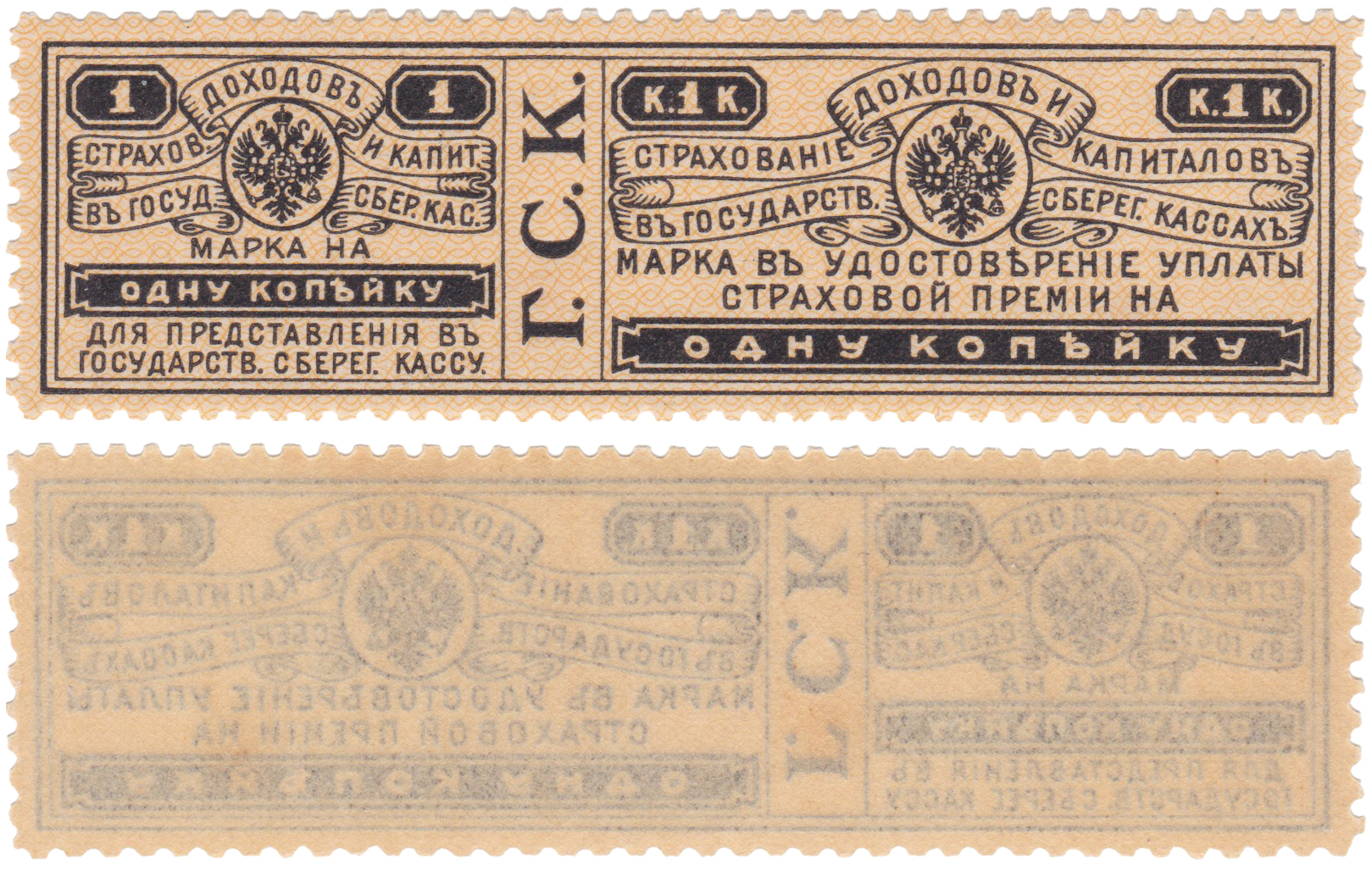
From 1922, they became known as State Labor Savings Banks. Today, Sberbank, which celebrates its professional holiday on this very day, is Russia’s largest credit institution by virtually all metrics—by total assets, by the volume of household deposits attracted, by loans issued, by the size of its own capital, by the number of branches and offices, by headcount, by profit, and by market capitalization.
It is systemically important not only for the Russian banking system, but for the entire Russian economy as well.