
In the spring, M. YU. LERMONTOV’s leave in St. Petersburg was cut short; he was ordered to leave St. Petersburg within forty-eight hours and report to his regiment. On his way to the regiment he would stop for a time in Pyatigorsk and quarrel with MARTYNOV; the duel with him would lead to his death. On April 23 of the following year his remains would be interred in the family vault at Tarkhany—brought from Pyatigorsk at the request of the poet’s grandmother, ELIZAVETA ARSENYEVA (née STOLYPINA). She would outlive her grandson by five years and die at the age of seventy-two.;
PUSHKIN L. S. was attached to the Stavropol Cossack Regiment. In Pyatigorsk he met LERMONTOV and became fairly close with him. On July 13 they spent the evening together at the home of mutual acquaintances. Two days later, Lermontov was gone.
FET A. A., a student at the Faculty of Philology of Moscow University and a friend of Apollon Grigoriev, published his first collection of poems, “Lyric Pantheon.”
CHEKHOV YEGOR MIKHAYLOVICH, born 1798, a literate serf peasant of Chertkov, married to the peasant woman YEFROSINYA YEMELYANOVNA SHIMKO, born 1798, and has four children: MIKHAIL, PAVEL, ALEKSANDRA, and MITROFAN. He had saved 875 rubles in silver (3,500 rubles in assignation notes) and this year bought his freedom and that of his family. In the same year he would drive a herd of horses from the Voronezh lands for sale and register in the burgher estate.
ARKHIP IVANOVICH KUINDZHI was born, into the family of a shoemaker in Mariupol; the future artist would die in 1910.
SAVVA IVANOVICH MAMONTOV was born, a future entrepreneur and patron of the arts from the merchant class, a shareholder in railway and industrial companies, and the founder of a private Russian opera. He would die in 1918.
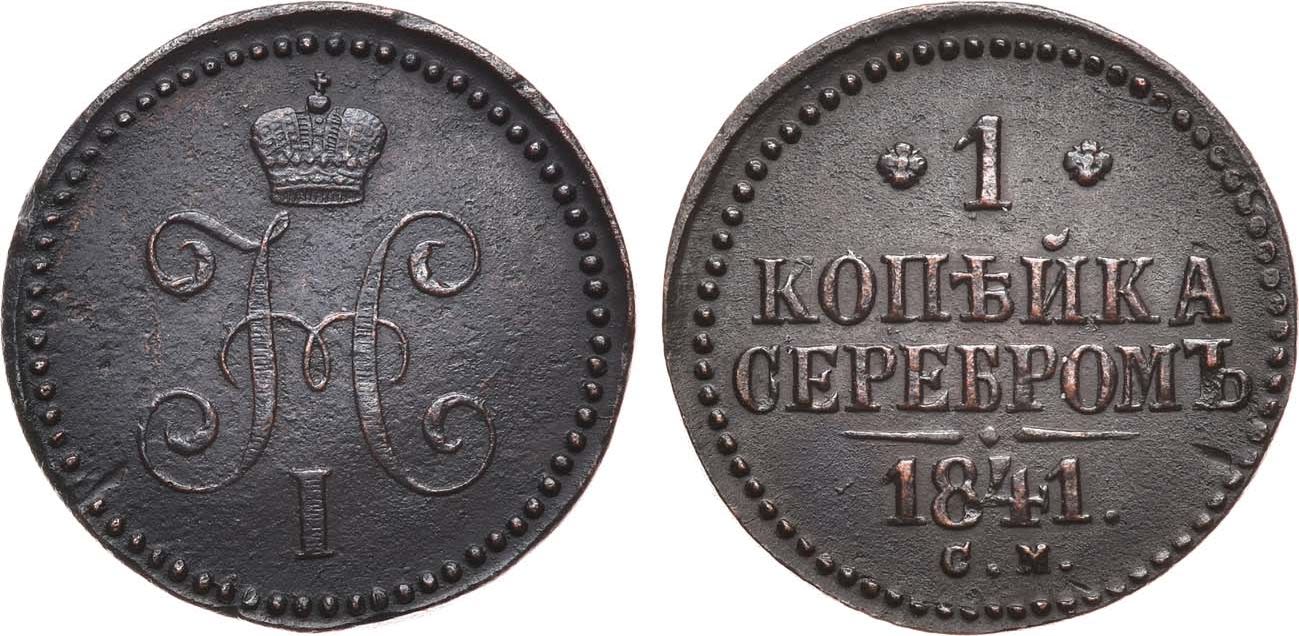
In Russia, credit notes backed by a silver standard began to circulate. They appeared as a result of Count Kankrin’s reform of paper-money circulation.
Mass unrest among Latvian peasants in the Baltic provinces and Georgian peasants in Transcaucasia. An uprising of the factory workers at the Revdinsky Works in the Urals. A peasant uprising in Guria. Disturbances among state peasants began in a number of provinces in connection with Kiselev’s reform. They would continue until 1845.
The Swede H. P. IOHANSON, born 1817, arrived in St. Petersburg and joined the ballet troupe. He received choreographic training in Stockholm, then continued his studies in Denmark. In St. Petersburg he would soon win the public’s favor and come to regard himself as Russian. He would die in 1903.