
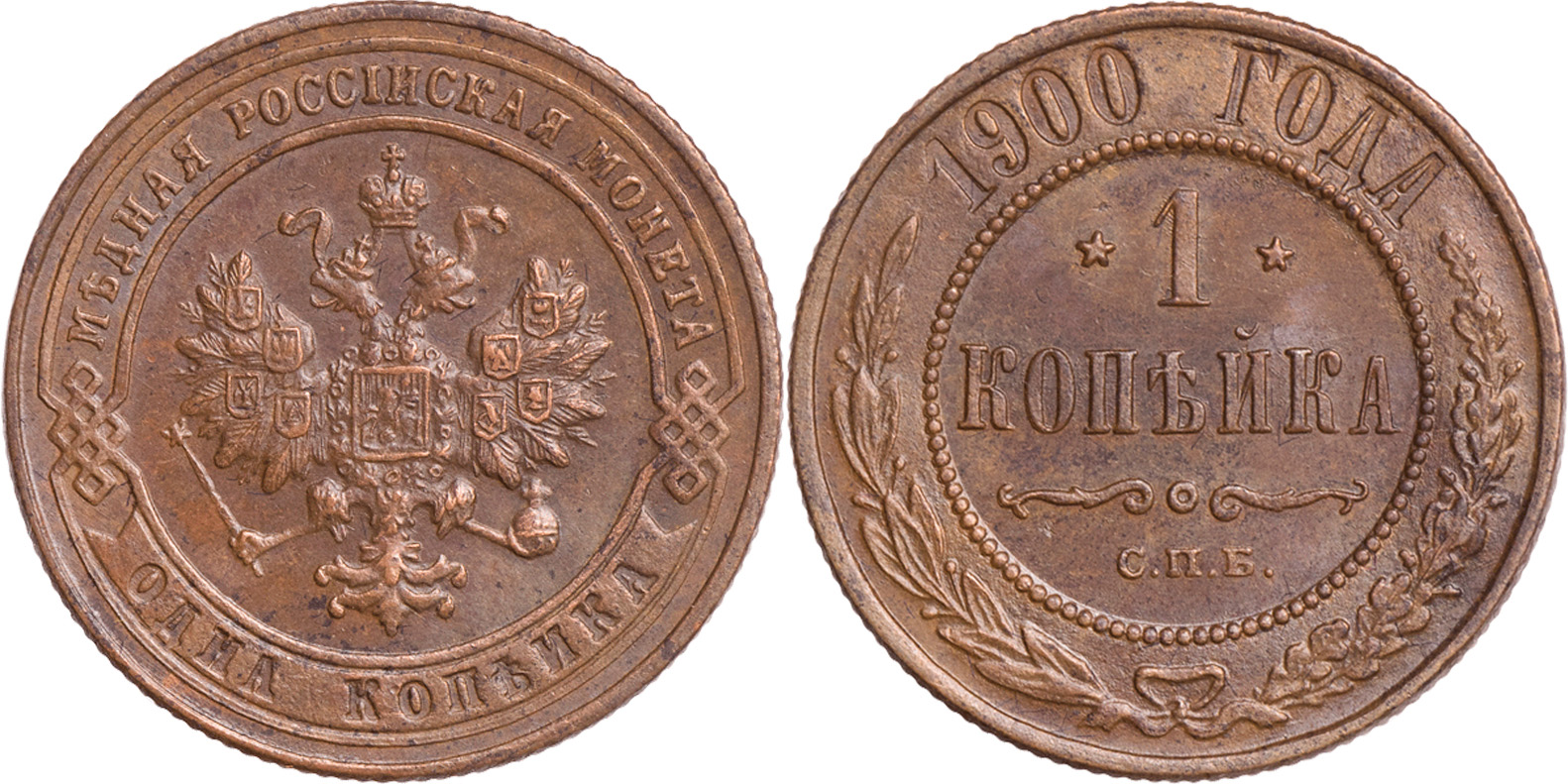
March 14 — the United States, following the leading countries of Europe as well as Japan and Russia, legalized the “gold standard,” a financial system in which gold serves as the universal equivalent and the direct basis of monetary circulation.
In an economy built on the gold standard, it is guaranteed that every issued monetary unit can, upon first demand, be exchanged for a corresponding amount of gold. In settlements between states using the gold standard, a fixed exchange rate of currencies is established based on the ratio of those currencies to a unit of mass of gold. Earlier monetary systems were based on bronze, and later on silver (the silver standard). A pure silver standard existed in Central Europe in the 8th–14th centuries.
As the volume of trade operations increased, gold began to be used more and more often as a means of payment. Supporters of the gold standard note that its use makes the economy more stable and less prone to inflation, since under the gold standard the government cannot print, at its discretion, money not backed by gold. The last widely used gold standard was introduced in Russia by the Supreme Decree of January 3, 1897. The reform was carried out under the leadership of Finance Minister Sergey Yulyevich Witte.