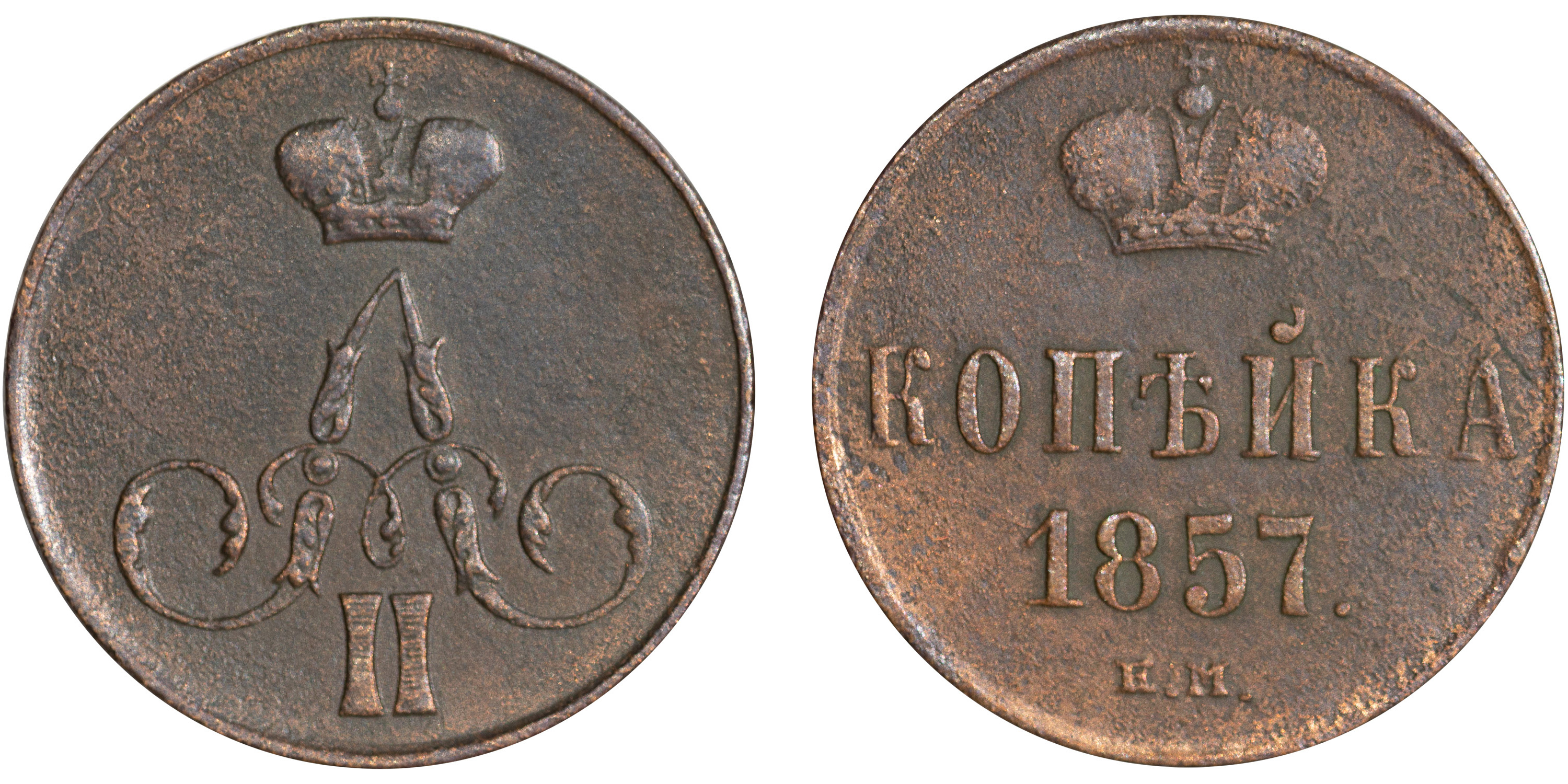
11 April — Emperor Alexander II approved the state coat of arms of Russia: the double-headed eagle. By his order, a Coat of Arms Division was created within the Senate’s Heraldry Department specifically to work on coats of arms, headed by Baron B. Kene.
He developed an entire system of Russian state coats of arms (Great, Middle, and Small), basing their artistic design on generally recognized standards of European monarchical heraldry. Under Kene’s leadership, the depiction of the eagle and Saint George was also revised, and the state coat of arms was brought into compliance with international heraldic rules. On 11 April, Alexander II approved the coat of arms of the Russian Empire—the double-headed eagle. The full set of state coats of arms was also approved—Great, Middle, and Small—intended to symbolize Russia’s unity and power.
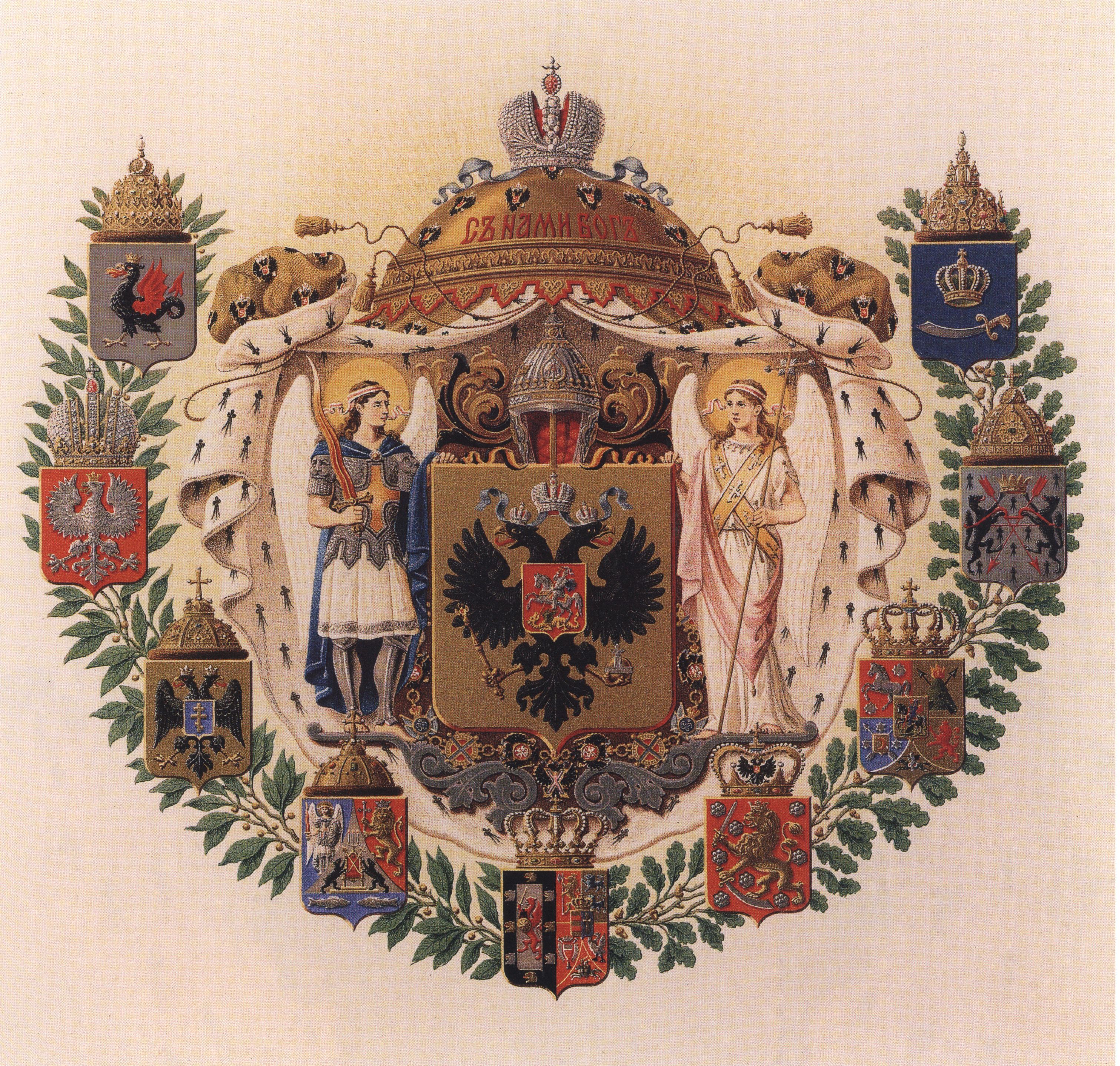
In May 1857, the Senate published a Decree describing the new coats of arms and the rules for their use, which remained in effect with no major changes until 1917. By a decree of the All-Russian Central Executive Committee and the Council of People’s Commissars, “On the Abolition of Estates and Civil Ranks” (1917), Russian insignia, orders, the flag, and the coat of arms were abolished. The double-headed eagle returned to the country’s coat of arms only in 1993, when a Presidential Decree introduced a new state coat of arms—a double-headed eagle—whose design was based on the coat of arms of the Russian Empire.
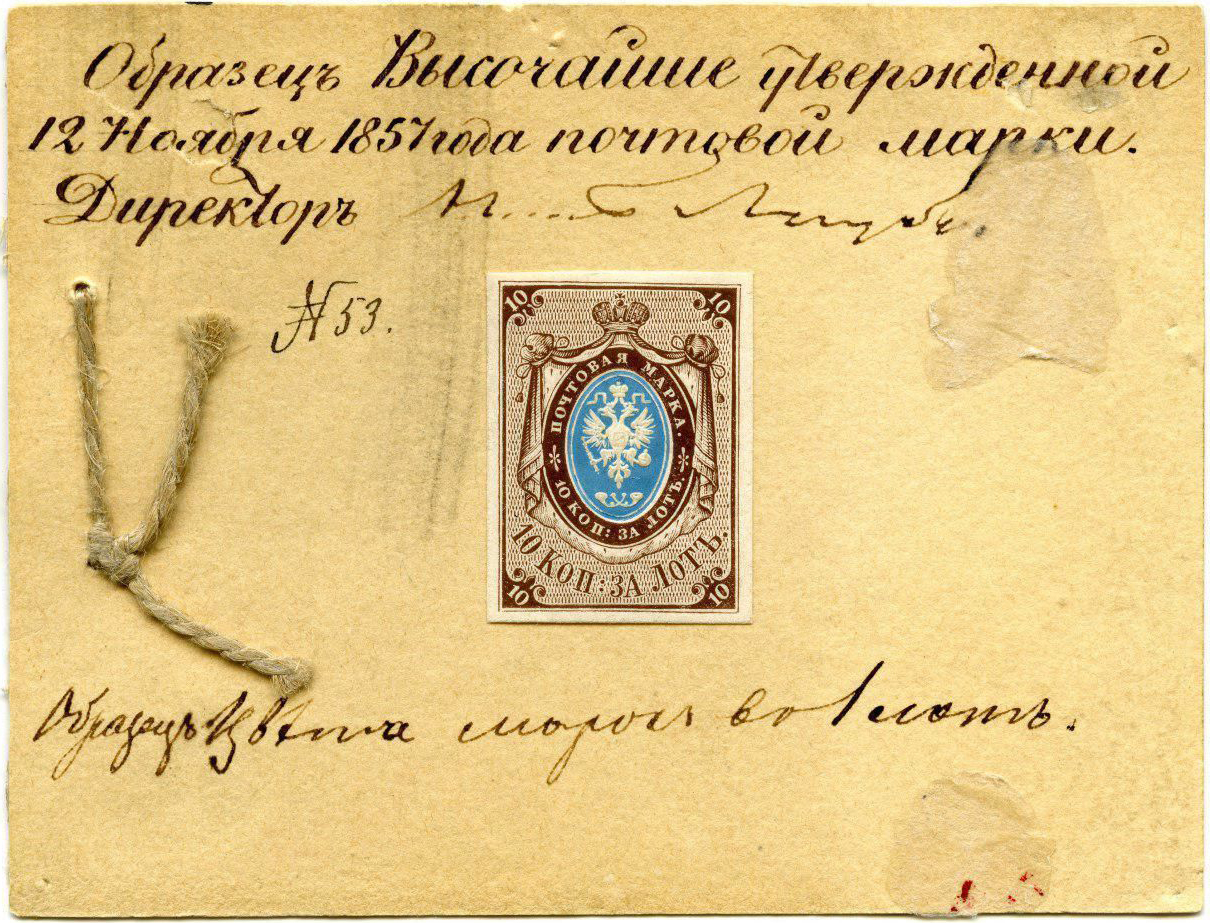
22 December — a decision was made to introduce Russia’s first postage stamps. The Postal Department of the Russian Empire issued a circular, “On the Introduction of Postage Stamps for General Use,” starting from the new year. The first Russian stamp cost 10 kopecks, and its print run totaled three million copies.