
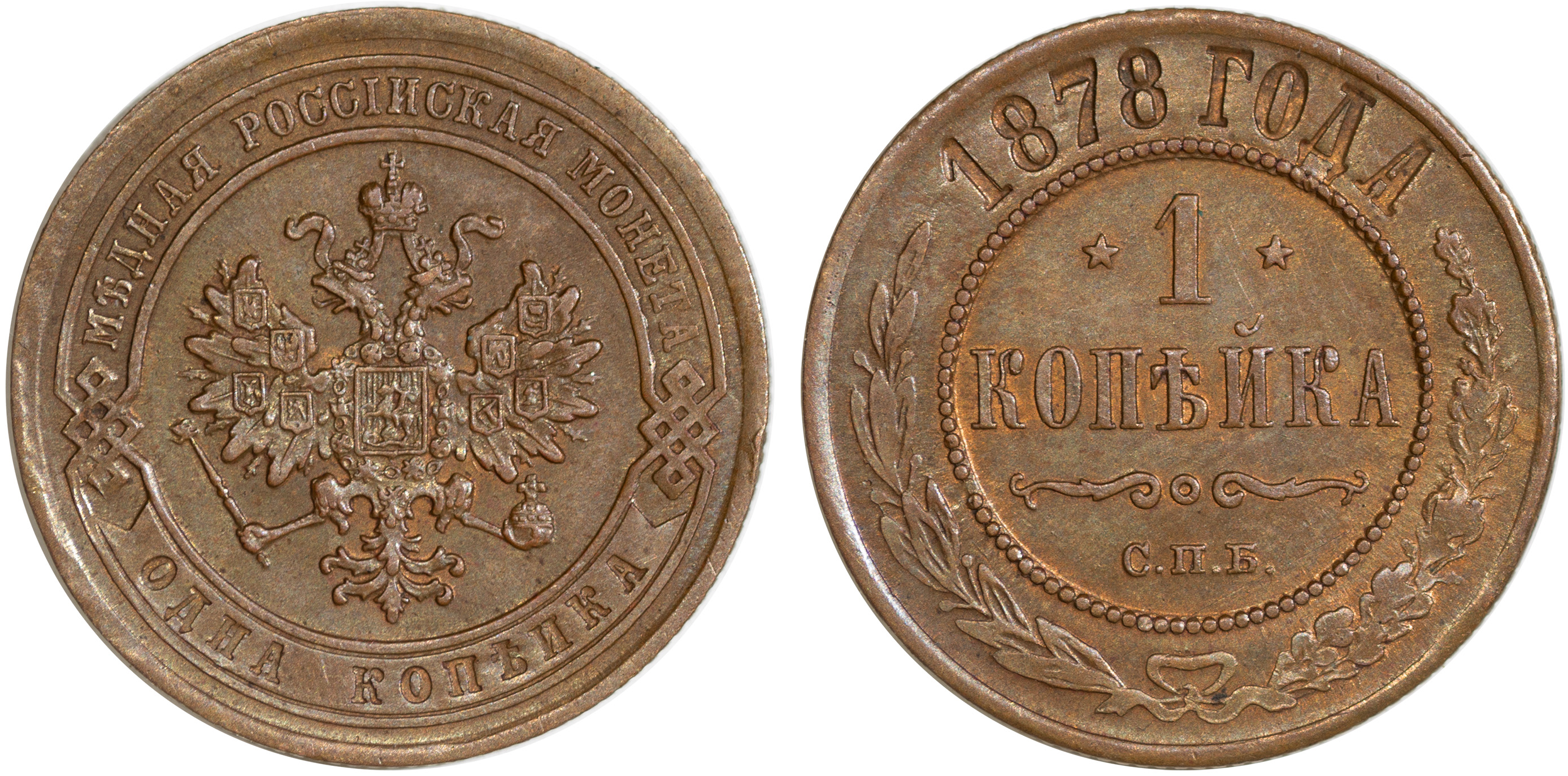
January 4 — Russian troops liberated Sofia from Turkish rule.
Active support for the Russian army from the peoples of the Balkans and Transcaucasia strengthened the morale of the Russian forces, which included the Bulgarian Volunteer Corps, as well as Armenian and Georgian militia units. By the autumn of 1877, Russian troops, in stubborn fighting, held their positions at Shipka and repelled an offensive by the Turkish army from the east against the Eastern Detachment.
In the Caucasus, the advance of the Turkish army was halted, and in October it was crushed in the Battle of Aladja. Russian forces went over to the offensive and on the night of (6) 18 November took Kars by storm, then advanced toward Erzurum.
On the Balkan theater of the war, the garrison of Plevna capitulated (28 November) 10 December. The Russian army, numbering 314,000 men versus 183,000 on the enemy side, went over to the offensive. The Serbian army resumed military operations against Turkey. General Gurko’s Western Detachment, in exceptionally difficult conditions, crossed the Balkans and on (23 December 1877) 4 January 1878 occupied Sofia.
On the same day, the troops of General Radetsky’s Southern Detachment began their offensive and in the battle of Sheynovo surrounded and captured the 30,000-strong army of Veysel Pasha; then, in the battle near Philippopolis (Plovdiv), the army of Suleiman Pasha was defeated, and on (8) 20 January Russian troops occupied Adrianople. The anti-Russian stance taken by Great Britain and Austria-Hungary, and the entry of a British squadron into the Sea of Marmara, forced the imperial government to refrain from taking Constantinople. On (19 February) 3 March, the 1878 Treaty of San Stefano was signed, favorable to Russia and the Balkan states. The war was of great significance for the liberation of the peoples of the Balkans from the Turkish yoke and their attainment of independence, and Russia regained the southern part of Bessarabia lost after the Crimean War and annexed the Kars Oblast. Southern Ukraine, Bessarabia, Crimea, the Northwestern Caucasus, the Black Sea coast of the Caucasus, southwestern Georgia, and the northern part of Turkish Armenia were liberated from the Turks and annexed to Russia.
February 19 — American inventor Thomas Edison patented a device for the mechanical recording and reproduction of sound, which he called the phonograph.
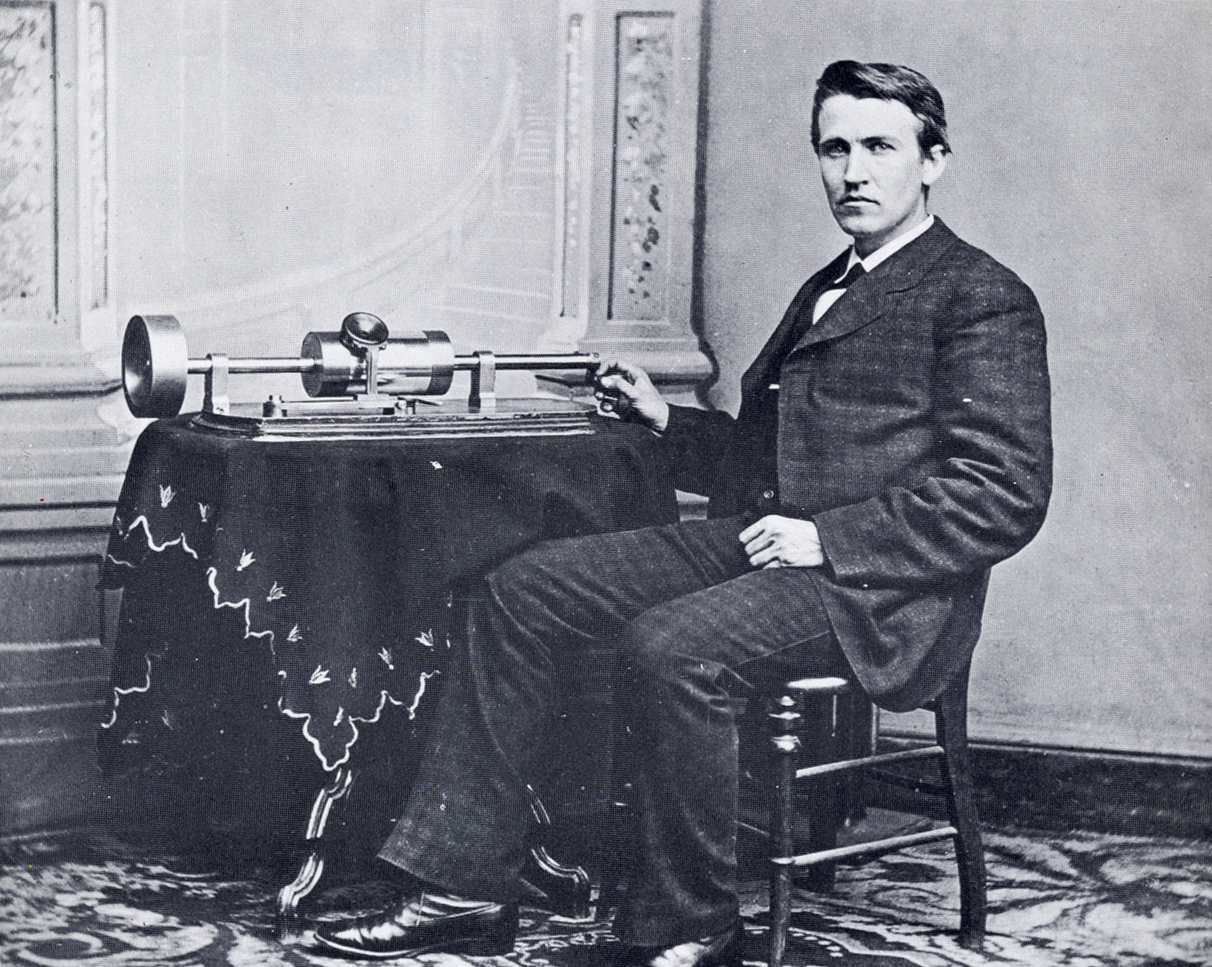
This invention marked the beginning of the era of audio recording. The device’s main achievement was that sound recorded on foil could be played back. The earliest recordings were indentations on the surface of the foil made by a moving needle. The foil was placed on a cylinder that rotated during playback. The device cost 18 dollars. A public demonstration of the apparatus immediately made Edison famous. To many, the reproduction of sound seemed like magic, so some dubbed Edison the "Wizard of Menlo Park." Edison himself was so astonished by the discovery that he said: "I was never so taken aback in my life. I have always been afraid of things that work the first time." Successful demonstrations of the device took place that same year in the United States and in Europe.
In 1879, the phonograph was also demonstrated in Russia.
Over the next 40 years, Edison repeatedly improved his brainchild, obtaining another 80 patents. A major credit to Edison is also that he realized he could preserve the speech of the great people of his time by sending the first batch of phonographs to famous elderly contemporaries. Thanks to this, in Russia, at the Literary Museum, one can hear the voice of Leo Tolstoy.