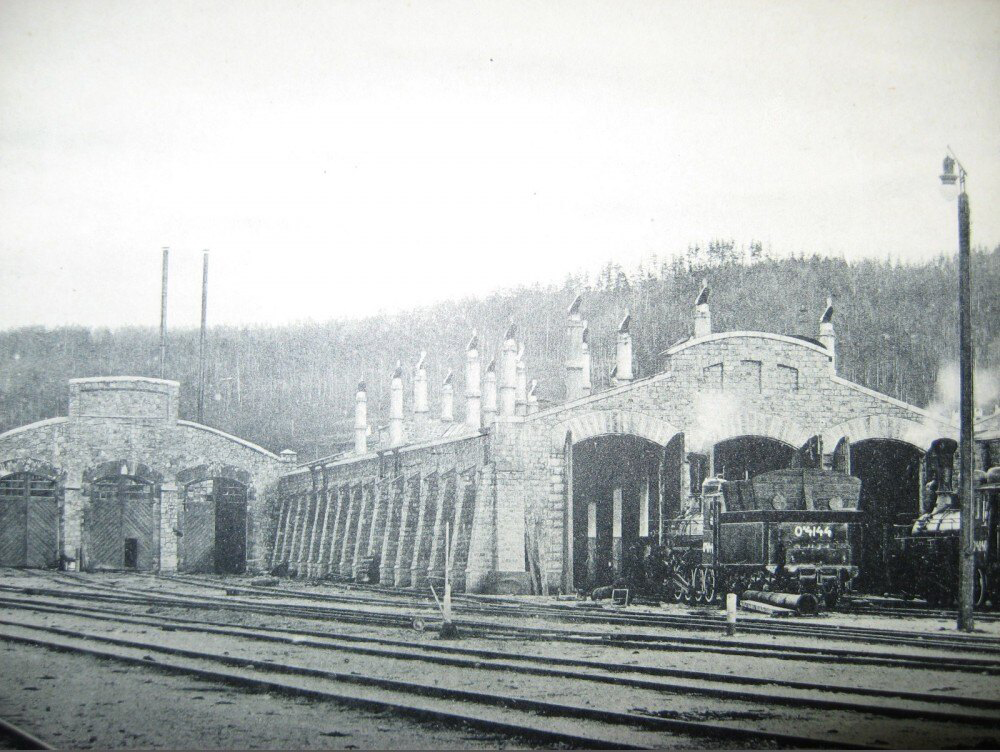
The railway station of the Mogochinsky District of the Trans-Baikal Railway is located in the urban-type settlement of Aksyonovo-Zilovskoye, Chernyshevsky District, Zabaykalsky Krai. It was founded in 1908 during the construction of the head section of the Amur Railway.
From the report of Dyachenko, works supervisor of the Trans-Baikal land-allotment team (1913): “The emergence of the settlement of Alekseevsky (Zilovo station) dates to 1908, when, with the building of the Amur Railway, life began here, driven by economic conditions. The settlement is located on vacant lands of the Nerchinsk Okrug of the Cabinet of His Majesty’s ведомство. In the settlement of Alekseevsky there are 72 households, with a total population of 761 people. By main occupation: workers and artisans—262 people, employees—17 people, merchants—27 people, others—14 people. Houses at Zilovo station—27, shop—1, bathhouse—1, church—1, barracks—12… The district (Zilovo), where the station-adjacent settlements are concentrated, is wild taiga, where over a distance of more than 400 versts there is not a single village.” On the Amur Railway under construction, Zilovo station was the head station (a 3rd-class station) and more populous; the main workshops, traction sections, track, communications, traffic services, reserves of train attendants, lubricators, conductors, and everything else connected both with construction and with the temporary operation of the new railway were based there. At that time it was one of the largest populated places of the project, with a workforce of many thousands of skilled workers. Residents sowed grain, kept livestock, hired out horses for carriage, and ran bathhouses; merchants traded.
In January 1911 all preparatory work was completed and regular train movement began; it officially opened in October 1913. The steam locomotive depot was built by 1912; the Railway Workshops had been opened even earlier.
In Zilovo, one of the organizers of the Social Democratic organization was the head of the Zilovo railway workshops, engineer V. I. Shimanovsky.
The Zilovo underground Bolshevik group was led by steam locomotive driver G. I. Chulkov.
At the end of August 1918, a rally of railway workers took place at Zilovo station. The rally was addressed by the commander of the Trans-Baikal Front, S. G. Lazo.
In July 1919, Zilovo workers organized a partisan detachment operating along the railway from Bushuley station to Ksenyevskaya station. In the autumn of 1919 the detachment joined Zhuravlev’s partisans.
From March to September 1920, Zilovo hosted the штаб of the Eastern Trans-Baikal Front under the command of D. S. Shilov.
In November 1920, a conference of working people of the liberated Nerchinsk and Sretensk districts was held in Zilovo, where a resolution was adopted recognizing the Far Eastern Republic.
In 1927, by a decree of the Supreme Soviet of the USSR, the settlement of Alekseevsky was renamed the settlement of Aksyonovsky, in honor of the Zilovo partisans, the Aksyonov brothers, who were killed on September 1, 1919 in a battle with the Japanese.
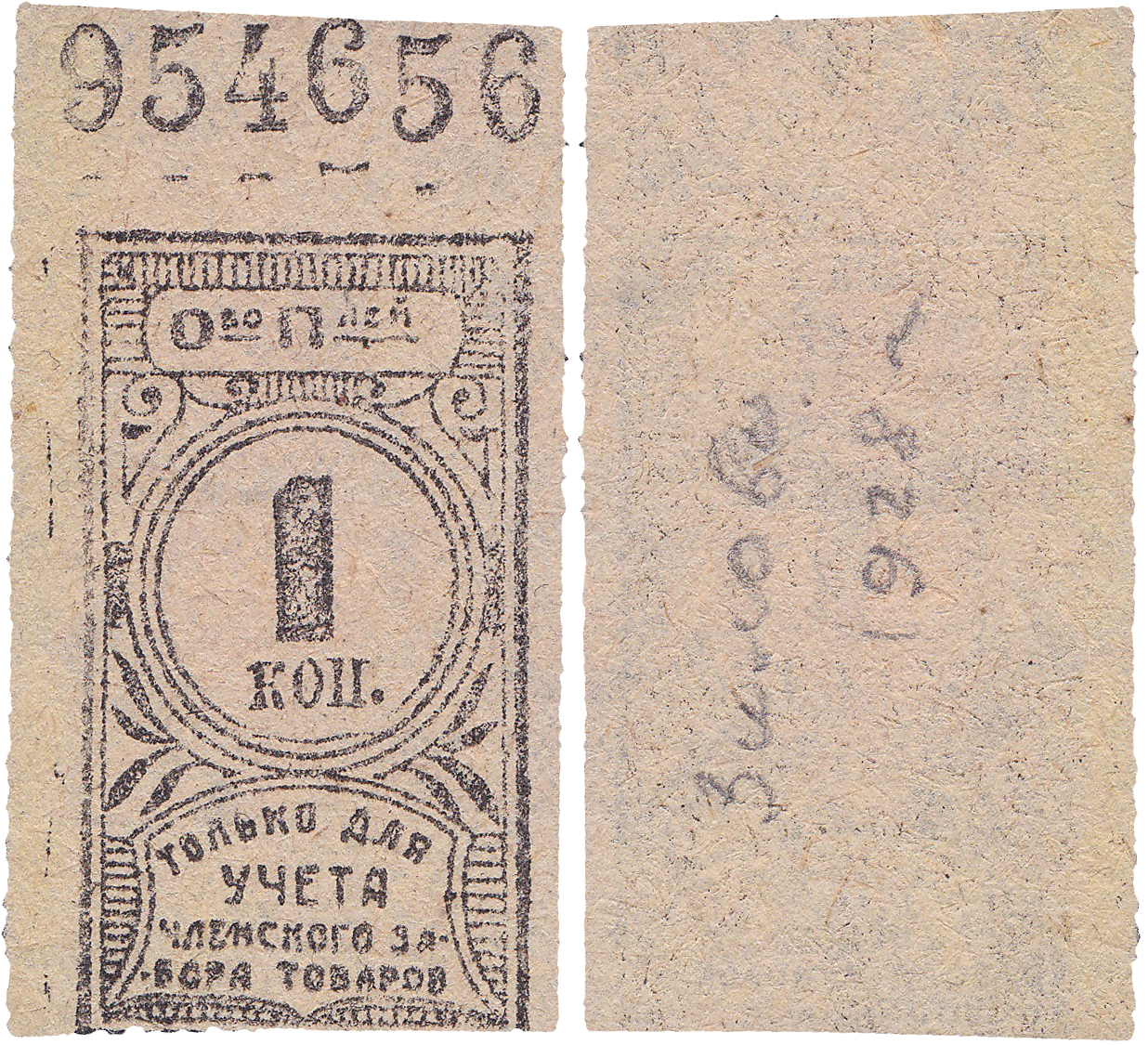
In the 1920s–1930s, Zilovo had the largest number of retail outlets: industrial goods stores, general stores, an on-duty shop, a rural потребкооперация store, a textiles store, bookshops, хлеб shops, bakeries, Zolotoprodsnab, Voentorg stores, Tsentrospirt, a sausage shop, a delicatessen, a household goods store, a wine-and-vodka shop; there were also a pelmeni eatery, a restaurant, a beerhouse, a market, and rural and railway cooperatives. In October 1923, a Central Workers’ Cooperative was formed from rural and railway cooperatives.
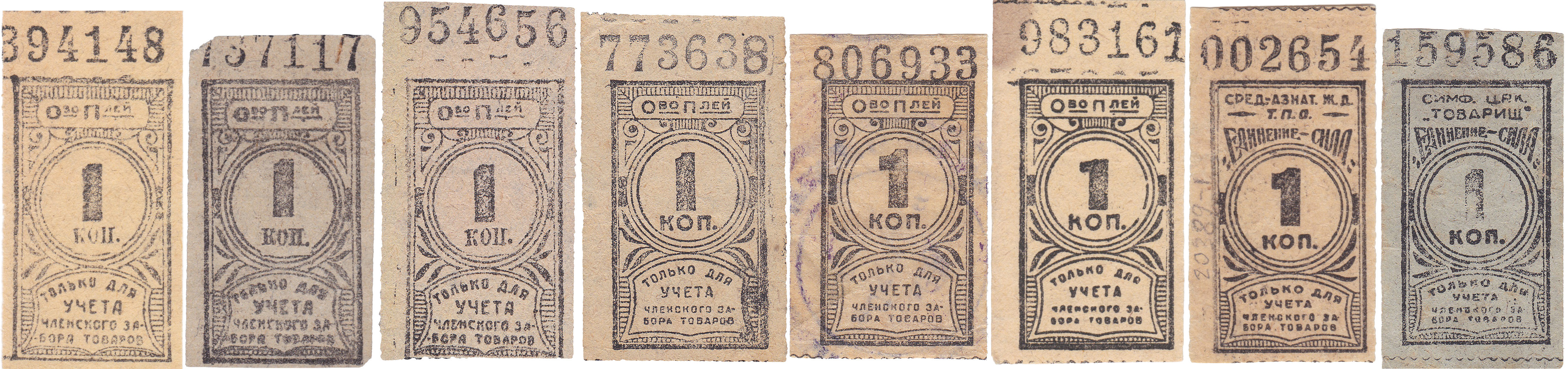
1 Kopeck 1928.
Central Workers.