
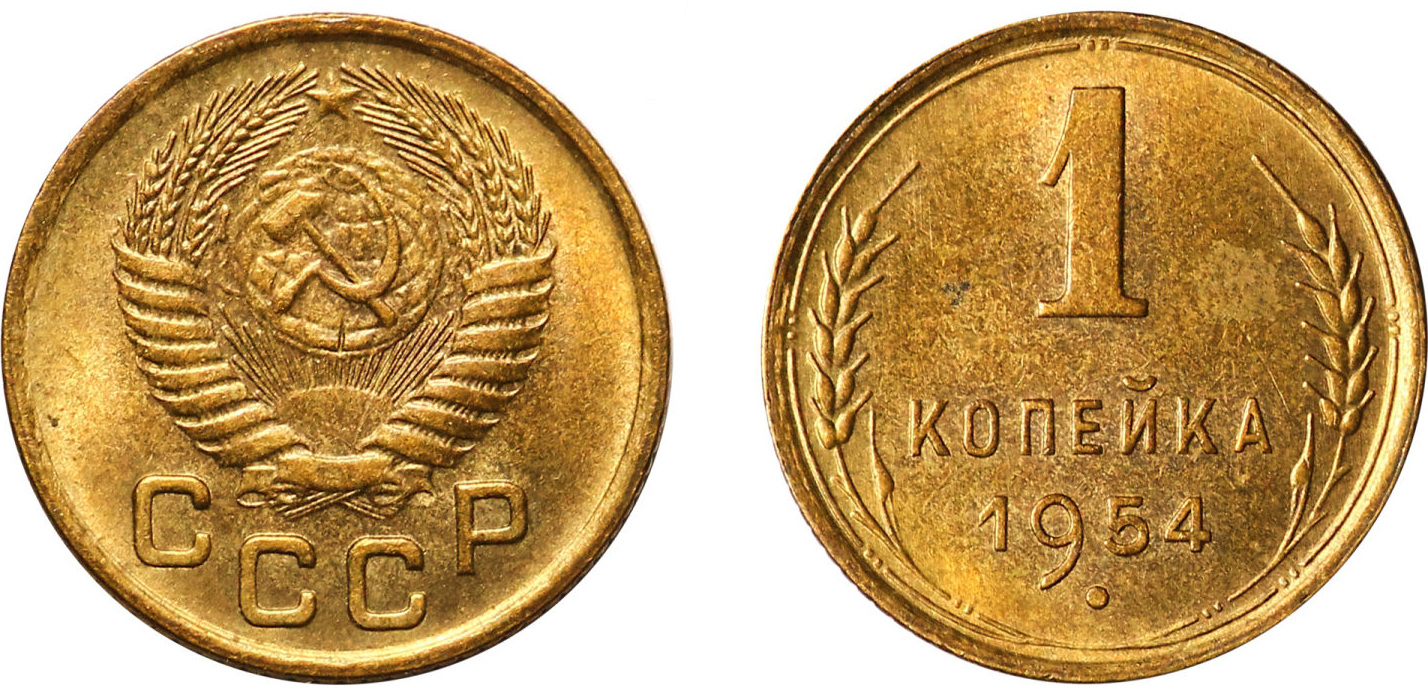
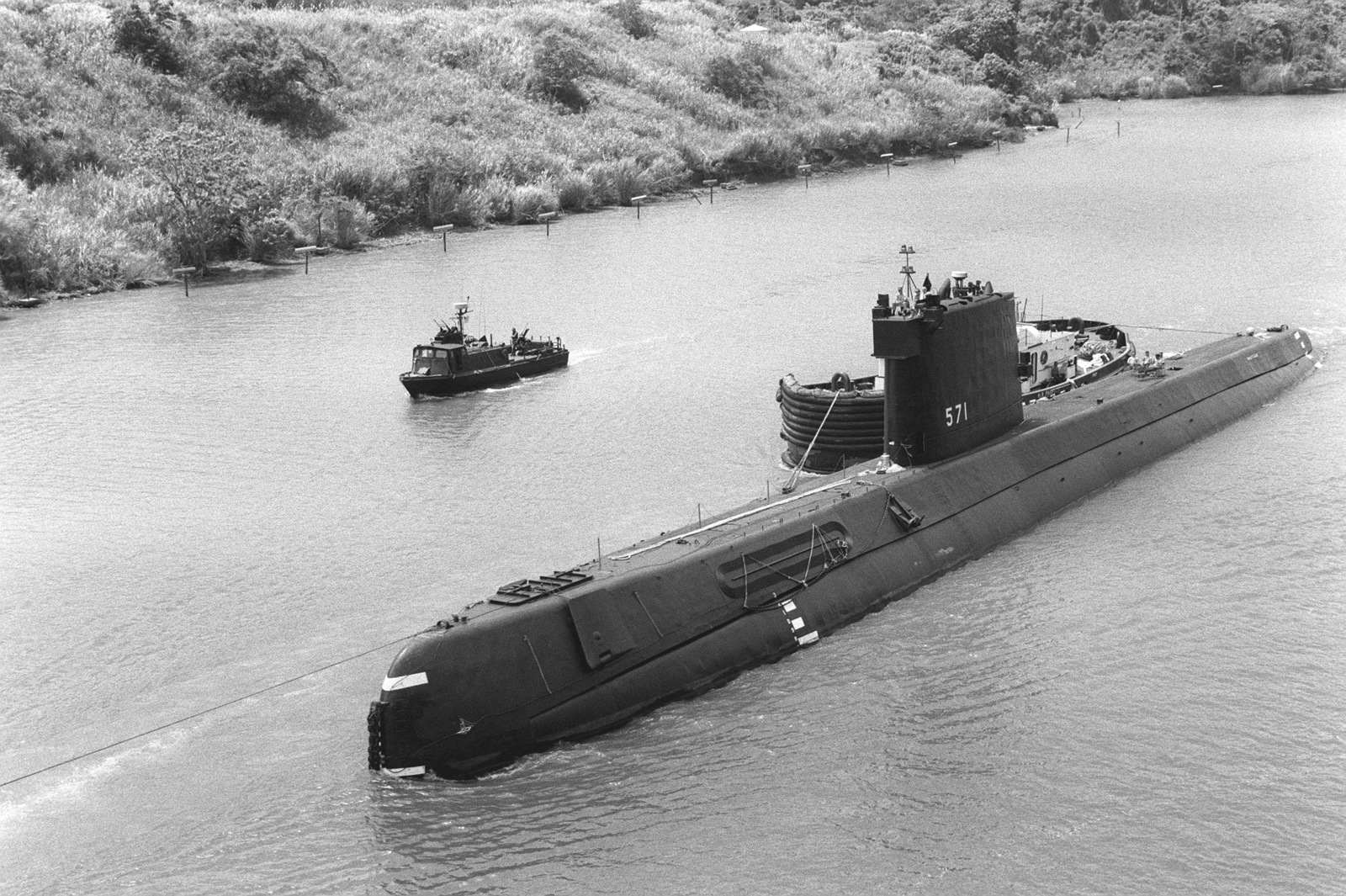
21 January — at the Groton shipyard in the U.S. state of Connecticut, in the presence of U.S. President Eisenhower, the world’s first nuclear-powered submarine was launched. The influence of the novel *Twenty Thousand Leagues Under the Sea* on people’s minds was so strong that the first nuclear submarine was named after Jules Verne’s “Nautilus,” and eight months later it was commissioned into the U.S. Navy. With a length of 97 meters and a beam of 8.2 meters, the submarine had a displacement of 4,092 tons.
It set, for Americans at that time, a record for time spent underwater without surfacing and demonstrated the highest underwater speed—up to 20 knots. “Nautilus” also became the first submarine to pass beneath the ice of the Arctic at the North Pole on 3 August 1958. It is also noteworthy that psychotronic experiments were conducted aboard this vessel. In particular, attempts were made to influence the decision-making of an enemy ship’s captain.
1 March — the United States detonated a hydrogen bomb at Bikini Atoll in the Pacific Ocean (today Bikini Atoll is part of the Republic of the Marshall Islands). The shock wave and radioactive fallout caused concern around the world. The yield of this explosion was equivalent to the detonation of a thousand bombs dropped on Hiroshima and Nagasaki. The victims of the tests included fishermen from several Japanese fishing schooners—most of them died of radiation sickness before reaching the age of 60. The shock wave and radioactive fallout caused concern around the world.
The famous English mathematician and philosopher Bertrand Russell spoke out in protest against the testing of thermonuclear weapons at the atoll. His statement was followed by declarations from Nobel laureates—Albert Einstein, Frédéric Joliot-Curie, and other outstanding scientists.
As a result, the Pugwash movement of scientists from the West and the East was formed. The Pugwash movement is an international non-governmental scientific organization. Its goal is to bring together representatives of different countries—authoritative scientists and influential political figures. Participants in the movement are interested in reducing the risk of armed conflicts and seek ways to jointly address global problems.
The movement took its name from the Canadian community of Pugwash, where, from 7 to 10 July 1957, with the support of American industrialist Cyrus Eaton, the first meeting of scientists was held, at which the most important aspects of world politics were discussed, in particular the threat of nuclear war.
In 1995, the Pugwash movement was awarded the Nobel Peace Prize. And the date of 1 March in the Marshall Islands is currently a nationwide Remembrance Day honoring the victims of nuclear tests. The Marshall Islands served as the base for U.S. nuclear testing for more than a decade. In total, from 1946 to 1958, the Americans conducted 67 nuclear tests here.
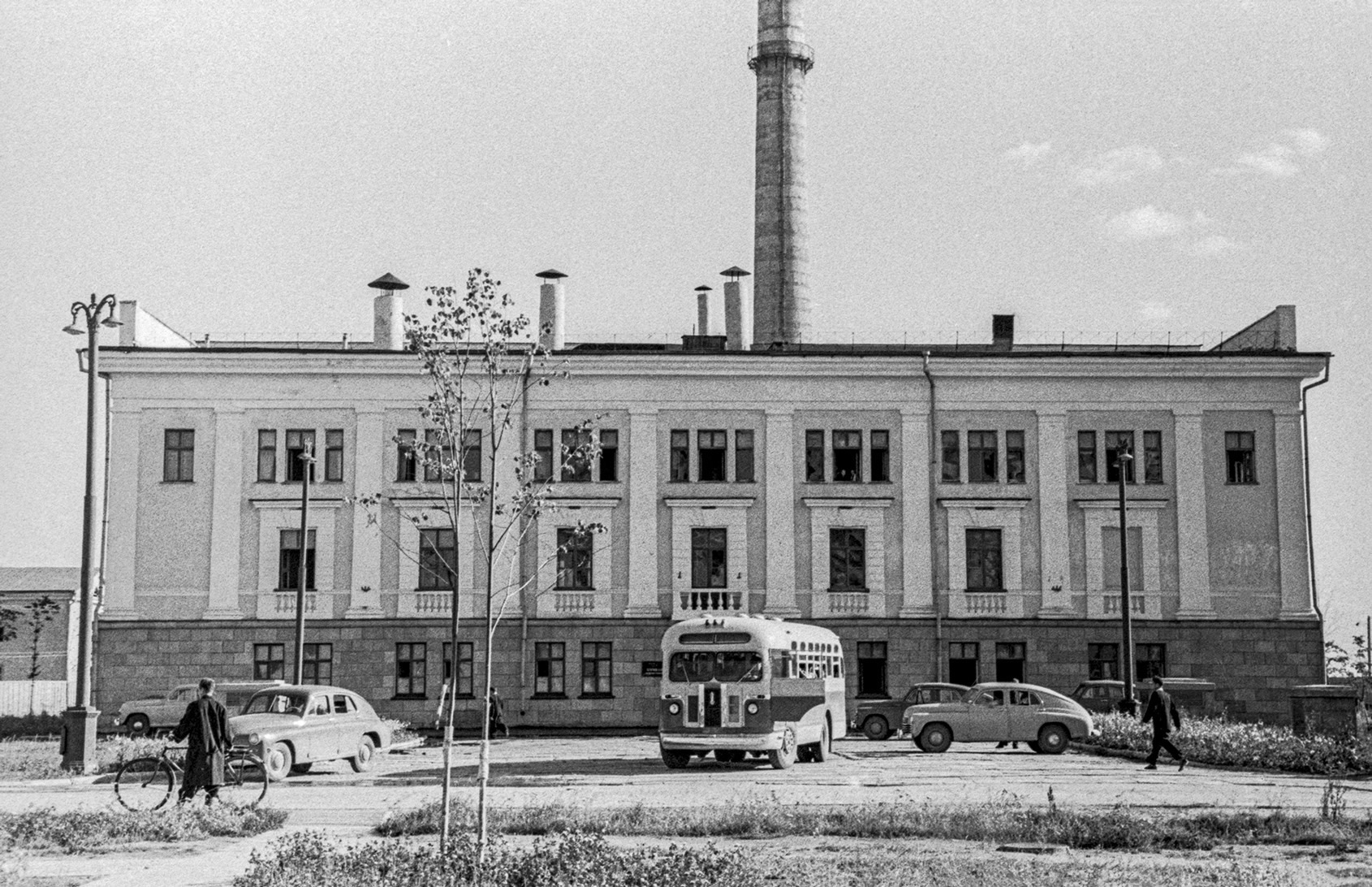
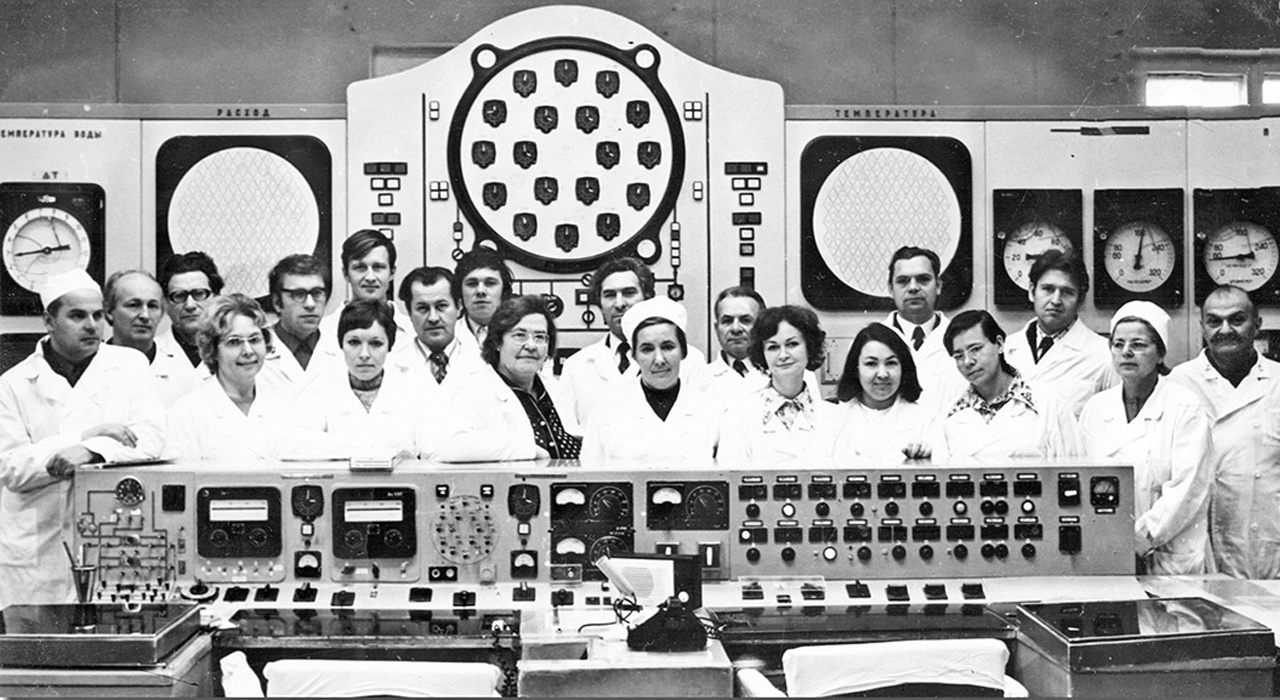
26 June — in Obninsk, the world’s first nuclear power plant with the AM-1 graphite-uranium reactor (“Peaceful Atom”), with a capacity of 5 megawatts, began operating: steam was supplied to the turbine, and the generator output was 1,500 kW. Soon Obninsk became the world’s first modern science city. Models of other, more powerful power plants were developed here. After the successful launch of the “peaceful reactor,” nuclear scientists began construction of the second nuclear power plant in the USSR—the Beloyarsk NPP with a capacity of 300 megawatts, which was commissioned in 1964. Experience operating the Obninsk plant was also taken into account when designing low-power nuclear power plants to supply heat and electricity to Taimyr and Chukotka.
In Obninsk, a fast-neutron reactor was developed, which is now used in some models of nuclear submarines.
In 2002, for economic reasons, the Obninsk NPP reactor was shut down. Keeping it in a safe condition became more expensive every year, and further operation lost its scientific and technical rationale. The building of the world’s first nuclear power plant in Obninsk is a cultural heritage site of regional significance for the peoples of Russia; it is protected by the state and currently operates as a memorial complex.
31 July — a Resolution of the Central Committee and the Council of Ministers of the USSR was adopted on the creation of the Northern Test Site on the islands of Novaya Zemlya. It was intended to become a link in the program to eliminate as quickly as possible the USSR’s lag behind the United States in the field of nuclear weapons. On 17 September 1954, a Directive of the Main Staff of the Navy was signed on the staffing structure of the garrison of the Northern Test Site. Its significance increased many times over after thermonuclear weapons were created in the USSR. The central section of the test site was located near the settlement of Belushya, and the airfield was in the area of the settlement of Rogachevo. For conducting aerial nuclear tests, in accordance with the CPSU Central Committee and USSR Council of Ministers decree of 5 March 1958, the territory of the test site was expanded, and it was assigned the status of the State Central Test Site of the Ministry of Defense. The first underwater nuclear test in the USSR, at a depth of 12 meters, was conducted at the Northern Test Site on 21 September 1955. The last test of atomic weapons at the Novaya Zemlya test site took place on 24 October 1990—on the eve of the Soviet government’s declaration of a moratorium on nuclear testing. In total, 135 nuclear tests were carried out on Novaya Zemlya in the atmosphere, underwater, and underground, including the detonation of the most powerful hydrogen bomb in human history, with a yield of over 50 megatons, at an altitude of 4.5 kilometers. On 27 February 1992, Russian President Boris Yeltsin signed the decree “On the test site on Novaya Zemlya,” in which it was defined as the country’s central military test site.
At present, nuclear tests are not conducted on the archipelago, but non-nuclear experiments are carried out to ensure the reliability, combat readiness, and safety of storing nuclear munitions.
14 September 1954 — at the Totsk military training ground in the Orenburg Region, the first military exercises in the Soviet Union under conditions of a real nuclear explosion were conducted, which resulted in dramatic consequences for thousands of people. The truth about this event was carefully concealed for many years. All participants signed non-disclosure commitments regarding state and military secrets for a period of 25 years. Most materials about the exercises began to appear only after the collapse of the USSR, when the commitment ceased to be in force.
During the exercises, a nuclear bomb with a TNT equivalent of 40 kilotons was dropped from an altitude of 13 km, and an airburst was carried out at an altitude of 350 meters. Two simulators of nuclear charges were also detonated.
45,000 servicemen took part in the exercises. Immediately after the explosion, troops were led through the epicenter of the affected area.
At that time, command considered the main damaging factor of an atomic explosion to be the blast wave. Soldiers and officers, however, experienced under real conditions the destructive effect of another factor—radiation. At that time, no one—neither the civilian population of adjacent areas of the Orenburg Region nor ordinary soldiers—knew what kind of weapon was being tested. Naturally, people did not suspect the horrific consequences of the “military exercises.”
As a result, many people received various doses of radiation exposure. There are no confirmed facts that servicemen were provided with appropriate medical care. The participants were remembered only after the events at Chernobyl, but many still failed to prove their participation in the exercises and receive compensation for lost health.
Today, doctors and environmental specialists are concerned about the increased level of cancer in areas of the Orenburg Region affected by the atomic explosion.
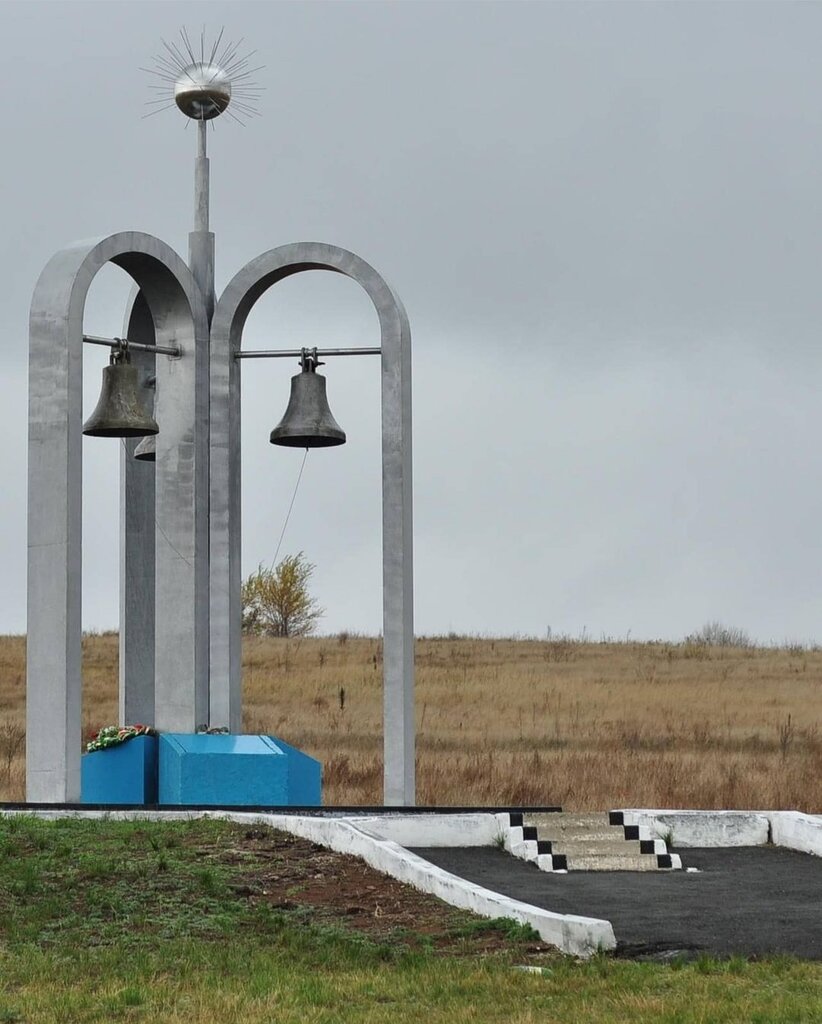
In 1994, at the Totsk range, at the epicenter of the explosion, a memorial marker was installed—a stele with bells ringing for all those affected by radiation.