
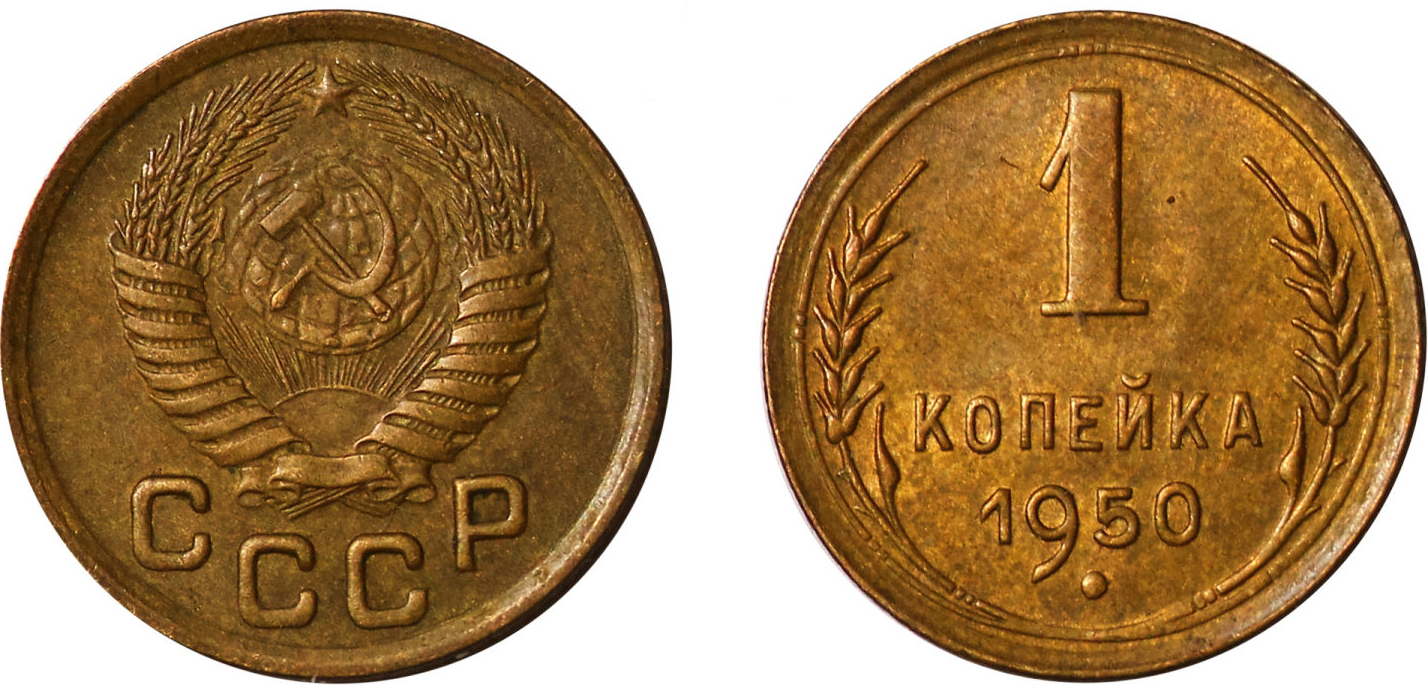
June 25, 1950 — the Korean War began, as a result of which a demilitarized zone was established between North and South Korea.
In August 1945, Korea was liberated from Japanese colonial rule.
In the northern part of the peninsula, into which the Red Army entered, a communist regime was established, headed by Kim Il Sung.
In the South, where U.S. troops landed, Syngman Rhee came to power—one of the leaders of the anti-communist nationalist movement.
Thus, two Korean states were formed. However, both North and South Korea did not abandon the idea of reunifying the country. Having secured the support of their main allies—the USSR and the United States—they prepared for an armed conflict. On June 25, 1950, war began in Korea—North Korean troops, under artillery cover, crossed the border with their southern neighbor.
And the advance of the North Korean army was quite successful—within two months, almost all of South Korea, including its capital Seoul, was captured. However, on September 16, U.S. forces landed on the western coast of the Korean Peninsula. They quickly liberated the territory of South Korea and crossed the border into the DPRK.
In November–December 1950, troops of the People’s Republic of China (with the support of Soviet aviation) came to North Korea’s aid and inflicted the largest defeat on the U.S. Army. The war continued for three years.
In 1953, having suffered enormous losses, the parties concluded that it was necessary to end the war. On July 27, 1953, in Panmunjom, the DPRK, the PRC, and the United States on behalf of the UN signed an agreement to cease hostilities.