
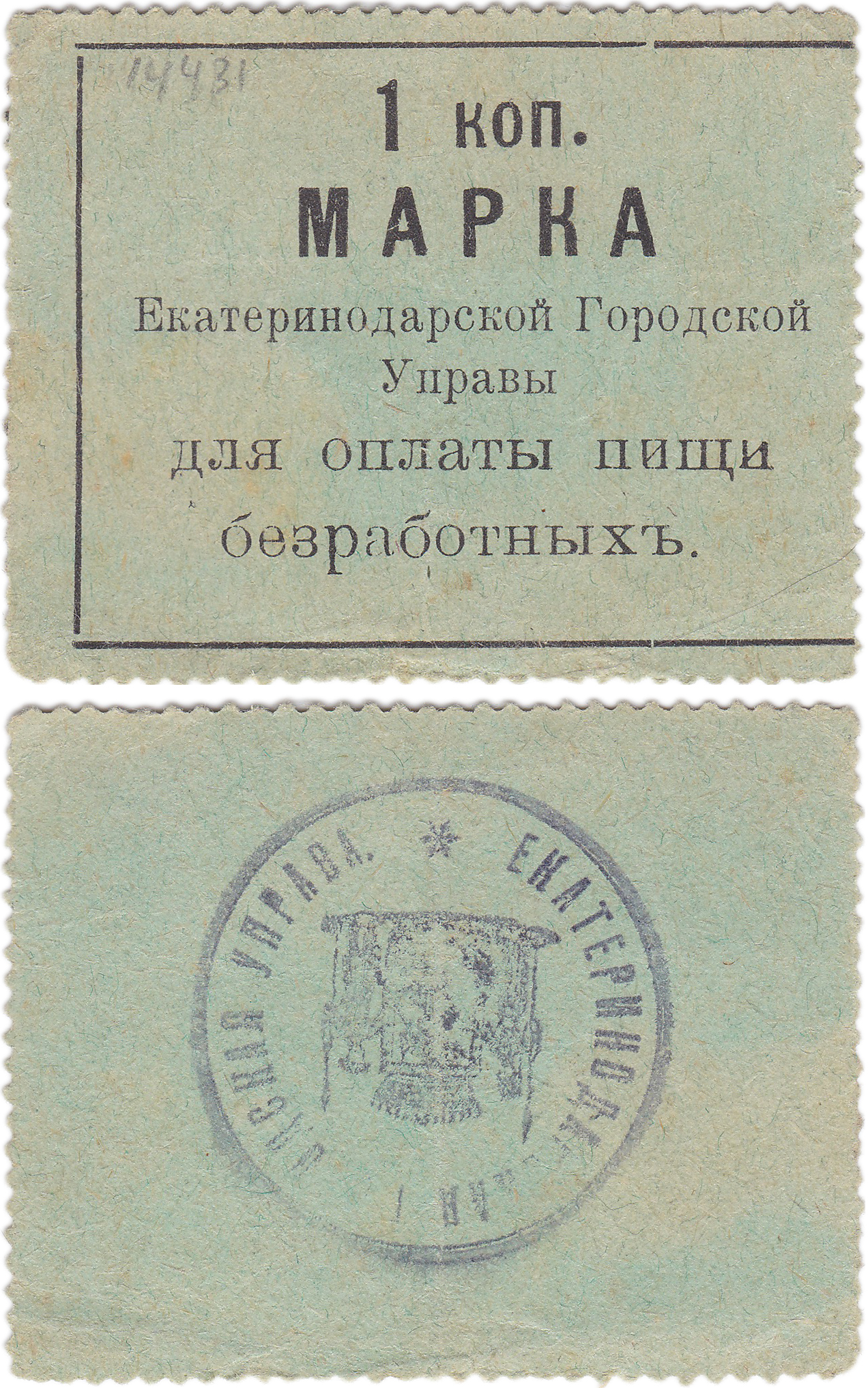
At the beginning of the 20th century, charity work covered a number of social groups in need of assistance—those affected by wars, the unemployed, the sick, homeless and neglected children, the poor, people with disabilities, impoverished students, national minorities, and so on. For this purpose, various charitable societies, aid committees, and boards of trustees were established. Charitable societies and committees operated under municipal authorities, parish communities, and public organizations such as noble assemblies.
Within charitable institutions, public tea rooms, low-cost canteens, buffets, small shops, stores, shelters, night lodgings, library reading rooms, schools, clubs, legal and intermediary offices, medical stations, and production workshops were opened. Food and manufactured goods were sold there at reduced prices; medical services and legal advice were provided; and people were taught literacy and trades.
Charitable activities were financed through state subsidies, contributions from public organizations and private individuals, as well as allocations from profits earned through various kinds of economic activity conducted by charitable institutions.
At the same time, a certain share of incoming funds for charity was generated through the sale of charitable stamps, one of which was encountered by the author of the previously mentioned article. Charitable stamps served as a kind of receipt confirming a voluntary, non-refundable monetary contribution to a charity fund.
Charitable stamps of those years were issued in small-denomination values, which made them easier to purchase, while large print runs and widespread distribution ensured steady and sufficiently substantial income. The stamps were vividly designed, carried a clear promotional message, and had a specific intended purpose, allowing a donor to contribute money to the category of people in need that they preferred.
Charitable stamps were issued not only for the benefit of those affected by war, but also for other categories of people in need.
These “money” items were distributed by charitable societies among those in need and were redeemed by wealthy benefactors either as receipts for gratuitous contributions or for handing out to the needy as alms.