
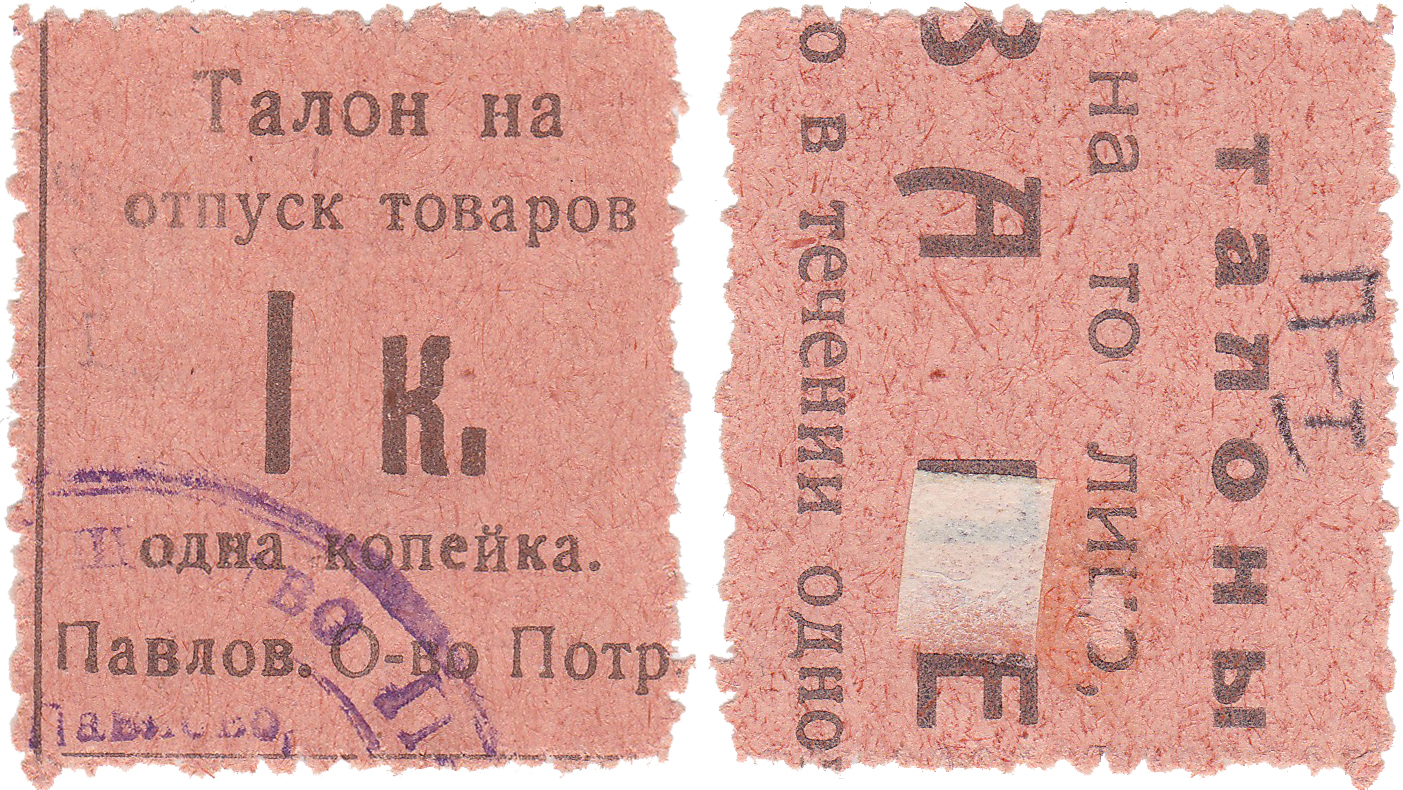
The village of Pavlovo was a center of cottage production of iron goods. Since ancient times it was famed for skilled metalworking, which arose on the basis of extracting local bog ores. The products of Pavlovo craftsmen were well known not only in the country, where they effectively had no competition, but also abroad.
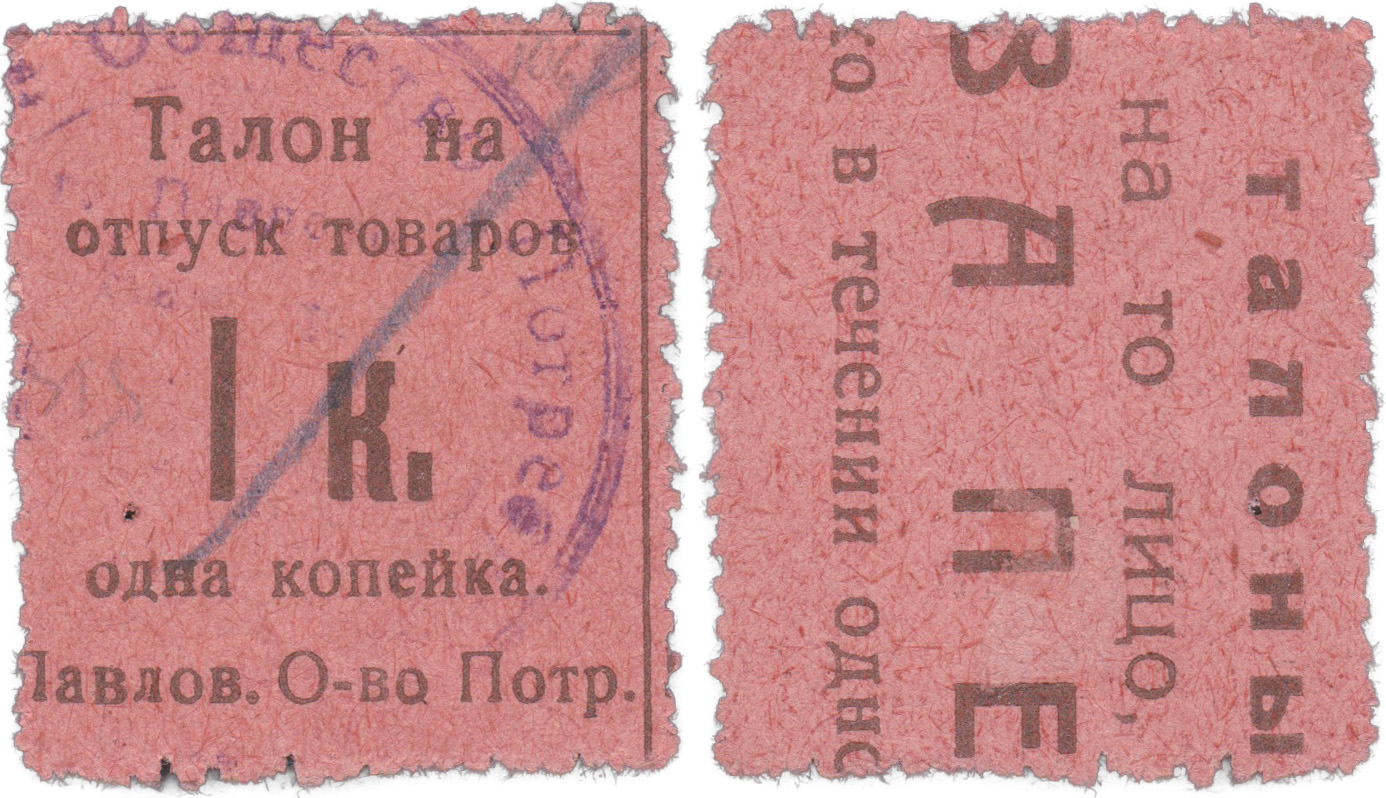
Nizhny Novgorod was a major fair center. This opened up enormous opportunities to organize profitable procurement of products for the members of the society, as well as to market the goods being produced. Throughout the губерния there were many enterprises connected with metal mining and processing and the manufacture of metal products. This forested region had excellent craftsmen in wood processing. In Vyksa, a working class of metallurgists took shape. In Pavlovo and Gorbatov, generations of artisans lived who produced tools and household goods: shovels, pitchforks, sickles, files, knives, locks, and many other items needed in the households of rural residents and townspeople. From the 1890s, the cooperative movement in Nizhny Novgorod began to expand.
Consumer cooperation became one of the founders of the wholesale Nizhny Novgorod Fair (the "pocket of Russia"). This trade and industrial fair became the site of an event of decisive importance for the entire consumer cooperative movement in the country: in August 1896, representatives of 28 societies created the All-Russian center of consumer cooperation, which became the predecessor of today's Tsentrosoyuz.
The start of organizing the Nizhny Novgorod Union of consumer cooperatives, which united the previously scattered consumer societies in the Nizhny Novgorod Province, was laid at the Nizhny Novgorod Provincial Cooperative Congress on September 12-20, 1915, when a Commission for organizing the Union was elected.
The birthday of the Nizhny Novgorod Regional Consumer Union is considered to be February 16, 1916.
On October 12, 1917, at a general meeting of authorized representatives, the partnership was transformed into the "Union of Consumer Societies of the Nizhny Novgorod District".
By the end of 1918, it already united 800 consumer societies and achieved a total turnover of 15 million rubles in 1917, and in 1918 this amount increased to 20 million rubles.
In 1919, Pavlovo received city status; Pavlovsky Uyezd was formed, which in 1929 was transformed into a district.