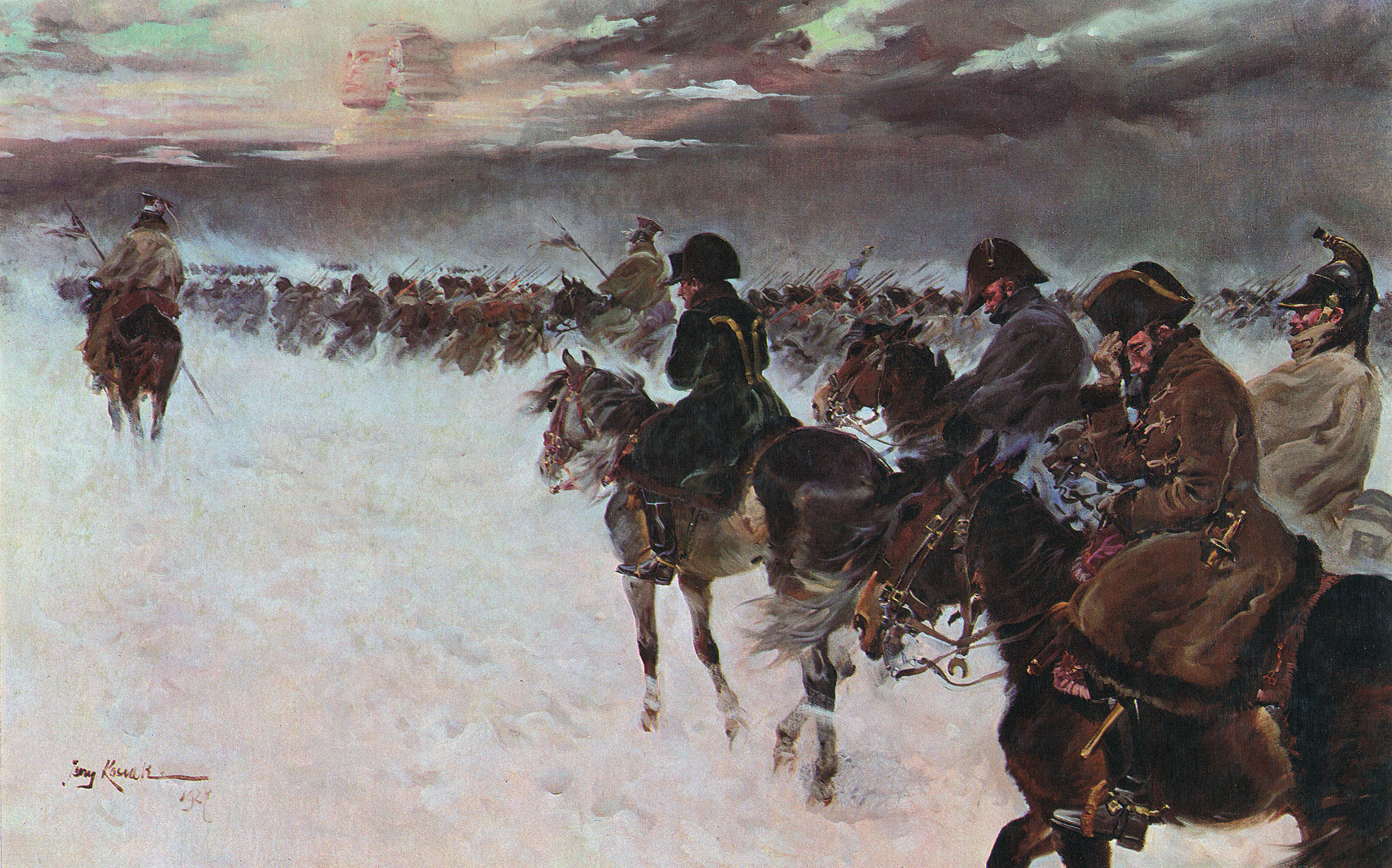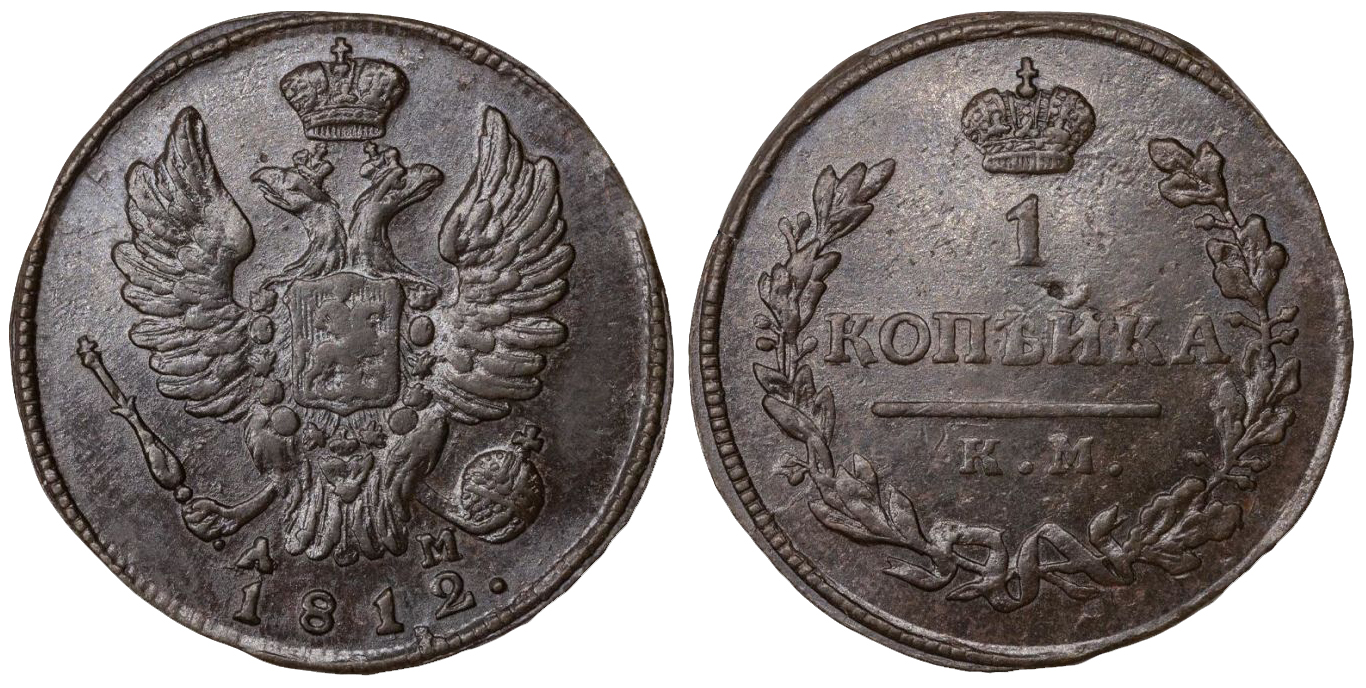
On June 24, 1812, the army of the French Emperor Napoleon I invaded Russia without a declaration of war. Opposing the enemy was the Russian army under the command of Generals M. Barclay de Tolly, P. Bagration, and A. Tormasov, numbering about 240,000 Russian soldiers. The rapid advance of the French forced the Russian command to retreat deeper into the country. While retreating, Russian troops fought rearguard actions, inflicting significant losses on the enemy.
During the Battle of Smolensk in early August, Napoleon’s plan to crush the main forces of the Russian army was thwarted. On August 20, Emperor Alexander I signed a decree appointing M. I. Kutuzov Commander-in-Chief of the Russian forces, and he led the Russian army during the general battle at Borodino.
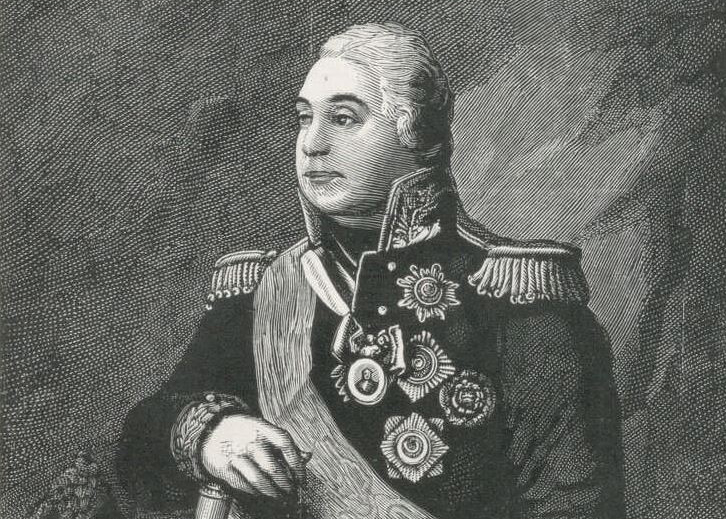
And then, despite the decision to leave Moscow to the French, he managed to create conditions for Napoleon’s army such that, receiving neither supplies nor rest, the French were forced to retreat toward Kaluga. The Russian army under Kutuzov launched a “small war” through army partisan detachments. Napoleon’s attempts to enter into negotiations were rejected. And in the Battle of the Berezina on November 26–28, most of his army was destroyed.
By the end of December, Napoleon was окончательно изгнан из России.