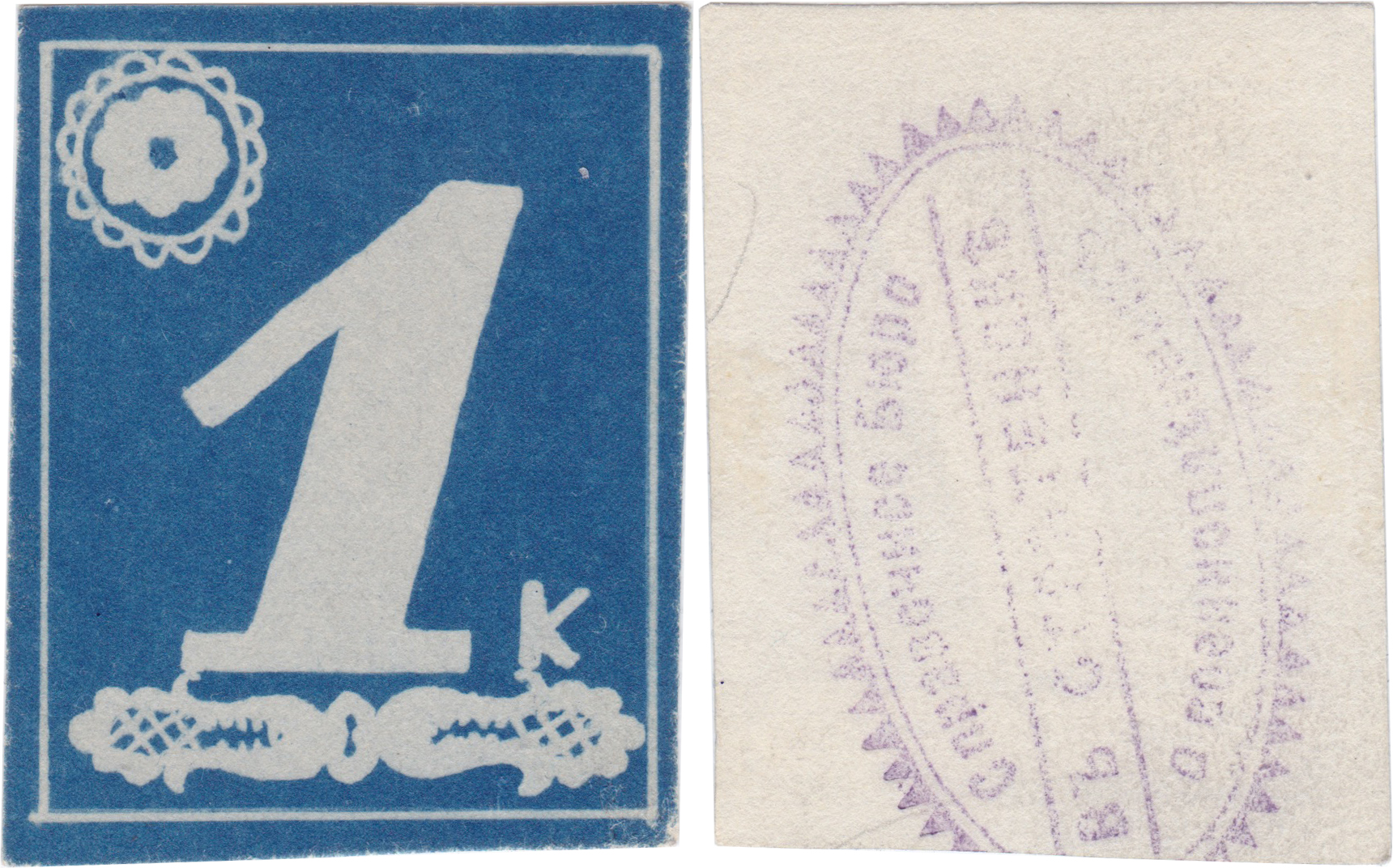
4th issue.
For Russia, the outbreak of World War I—despite the failures of two Russian armies in East Prussia—was marked by the defeat of four Austro-Hungarian armies, the successful pushing back of the Germans from the banks of the Vistula, and the Lodz operation. The result was the capture of several hundred thousand servicemen from hostile states.
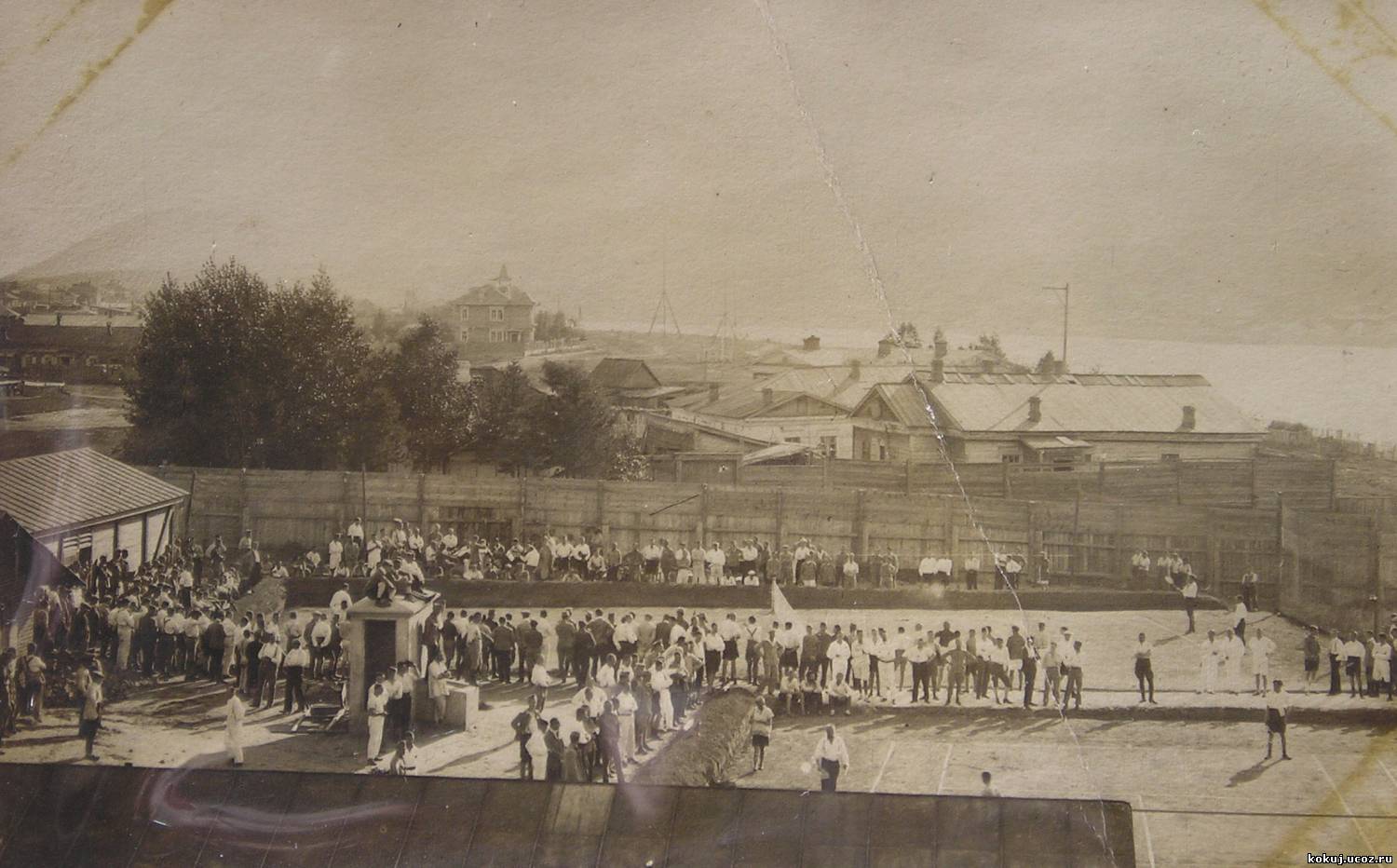
In accordance with an order of the Main Directorate of the General Staff, prisoners of war from the German, Austro-Hungarian, and Turkish armies were sent to Siberia, Turkestan, and the Far East. No special concentration camps were built for them, as there was neither the time nor the funds. In Transbaikalia, the first POWs began to arrive in October 1914. They were distributed among the camps of Chita, Peschanka, Antipikha, Sretensk, Nerchinsk, Dauria, Berezovka, Troitskosavsk, Barguzin, and Verkhneudinsk (“camp” should be understood as the place where POWs were housed in a particular settlement). According to archival data, as of October 18, 1914, up to 1,000 POWs of various armies were held in the Sretensk camp, and by the winter of 1915/1916 their number had grown to 11,000 people, while the entire population of the town was about 7,000.
Everywhere, POWs were used as cheap labor and became one of the sources for replenishing local industries drained by continuous wartime mobilizations. The money allocated by the state for camp needs was never sufficient. Raising the necessary sums was undertaken by camp public bodies, which set up camp banks, cooperatives, and unions; by camp administrations—for the guard detachment, service personnel, and to reward the POW “activists”; and finally by interested local authorities, who at times even took on the printing of camp money.
During 1914–1920, the paper ruble had a stable exchange value only in 1914, and starting in 1915 it gradually declined approximately as follows: in 1915 by 30%, in 1916 by 50%, in 1917 by 70%, and thereafter—bringing about inflation during this period.
The money allocated by the state for camp needs was insufficient. A shortage of goods emerged on the market and prices rose significantly; POW pay fell by about half. Following the example of other camps, the Sretensk camp issued its own money, used for food, clothing, and footwear, and handed out in cash as wages, incentives, and bonuses. This money was accepted in unit and camp shops and snack bars located within the camp, and sometimes even by the town’s residents as small change. Camp scrip in Transbaikalia, issued in Sretensk, circulated only within the camp.
The designs for the notes were made by the POWs themselves, and they were produced on a hectograph: the 1st issue on plain paper, the 2nd issue on parchment paper, and the 3rd issue on ferrotype paper (glossy on one side). Most likely, the first issues were small, since the first issue of 1916 was followed by a second, larger one, with additional denominations of 10, 15, 20, and 50 kopecks, and then a third issue in 1917 with an additional denomination of 2 kopecks. The low quality of the paper used to make these notes did not allow them to remain in circulation for long. They quickly wore out and became unusable.
After the camp was closed in early 1920, most of the notes were destroyed, and only a small portion remained in the hands of POWs and local residents. Although these notes are primitive in appearance, they are nonetheless unique and today represent a major collecting rarity.
1 Kopeck 1917.
Officers’ prisoner-of-war camp, Sretensk (Transbaikal Governorate).