
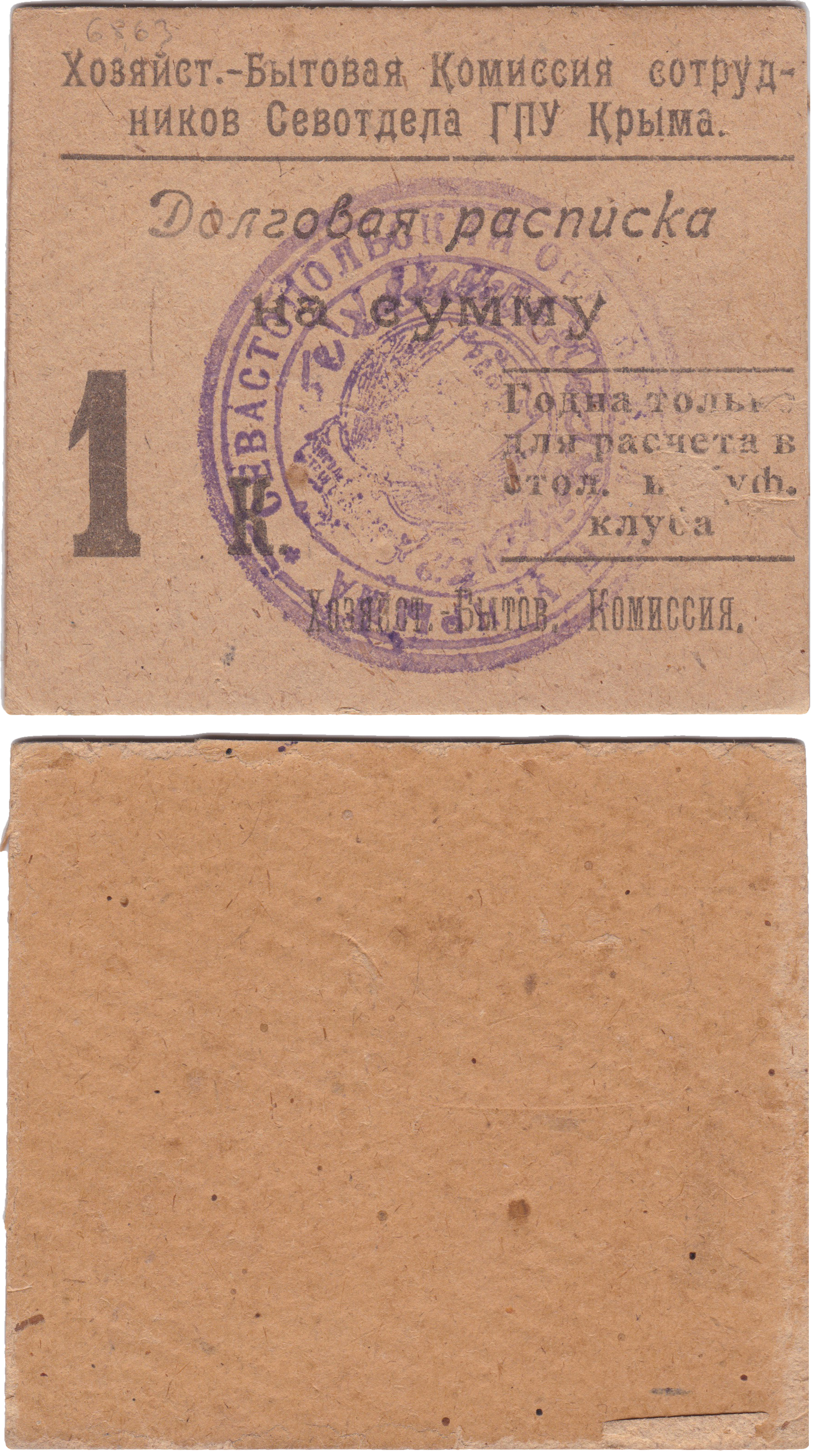
The State Political Directorate (GPU) was a body responsible for safeguarding state security in 1922–1923 after the reorganization of the Cheka. The special service was established on February 6, 1922, at the proposal of V. I. Lenin to the Ninth Congress of Soviets, by a decree of the All-Russian Central Executive Committee (VTsIK) abolishing the Cheka and transferring its powers to the GPU under the People’s Commissariat of Internal Affairs of the RSFSR.
According to the “Regulations on the NKVD of the RSFSR,” the following tasks were assigned to the GPU:
- suppression of open counterrevolutionary actions, including banditry;
- taking measures of protection and combating espionage;
- protection of railway and water transport routes;
- political protection of the borders of the RSFSR;
- combating smuggling and crossing the republic’s borders without the appropriate permits;
- carrying out special assignments of the Presidium of the VTsIK or the Council of People’s Commissars (SNK) to safeguard revolutionary order.
In turn, the “Regulations on the State Political Directorate,” approved by the VTsIK, set the following tasks for the GPU:
- prevention and suppression of open counterrevolutionary actions, both political and economic;
- exposure of counterrevolutionary organizations and individuals whose activities are aimed at undermining the republic’s economic bodies.
The GPU bodies were granted the right to conduct searches, make arrests, and carry out investigations. Initially, the GPU bodies did not have the right to resolve cases extrajudicially, and all cases completed in the course of proceedings had to be sent, according to jurisdiction, to tribunals or courts. However, as early as March 1922, a decree was adopted granting the GPU the right to carry out immediate summary punishment (execution by shooting) of persons implicated in armed robberies, habitual criminals caught with weapons, and to confine members of underground anti-Soviet political organizations (mainly anarchists and Left SRs) to a forced-labor camp in Arkhangelsk.
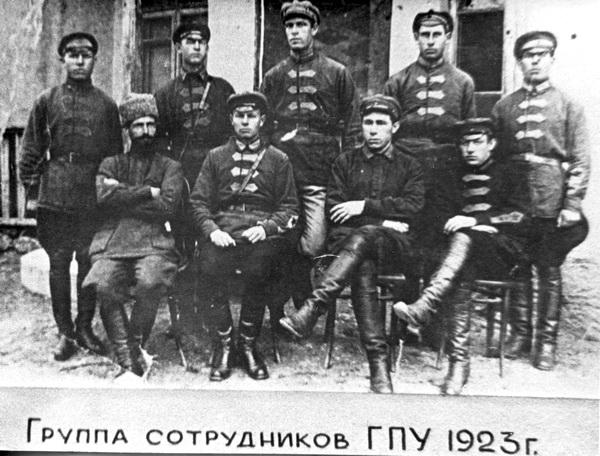
The decrees of the VTsIK of the RSFSR of August 10 and October 16, 1922, granted the right to administratively deport for up to three years, abroad or to specified localities of the RSFSR, persons involved in counterrevolutionary crimes; to deport and confine to forced-labor camps activists of anti-Soviet political parties, persons twice convicted of banditry, counterfeiting, hooliganism, theft, and other crimes. In a section of the October 16 decree that was not subject to publication, the functions of prosecutorial oversight over the GPU bodies were restricted; it was established that “verdicts for official crimes committed by GPU employees may be issued exclusively by the GPU Collegium with the knowledge of the People’s Commissariat of Justice.”
In November 1923, by decision of the Presidium of the Central Executive Committee of the USSR, the GPU under the NKVD of the RSFSR was transformed into the Joint State Political Directorate (OGPU) under the SNK of the USSR.