
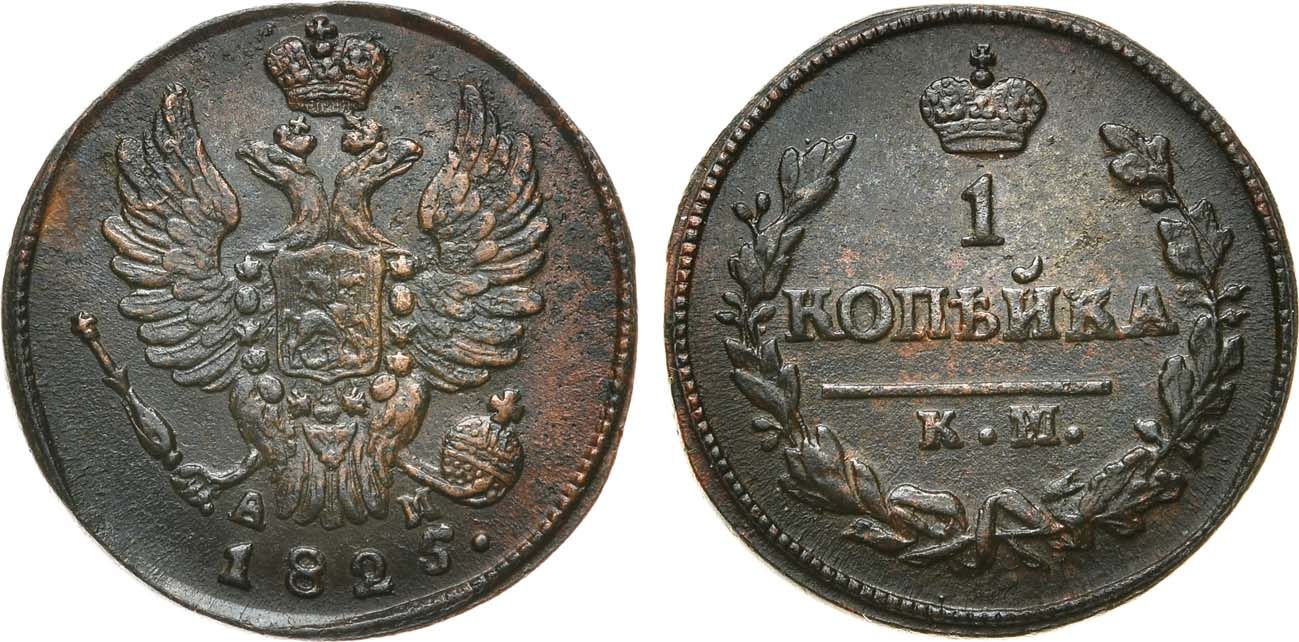
A decree ordered that all discovered gold nuggets be handed over to the state museum. This would mark the beginning of the Diamond Fund collection.
A stock-market crisis hit England. Most of the capital invested in securities was lost. Seventy-nine banks suspended payments. Metallic cash in circulation had fallen by 13.9 times since March of the previous year. England was buying more than it was selling, and gold was flowing abroad.
On January 18, amid thunderous applause for the architectural genius Bove, the Bolshoi Theatre opened. The grandeur of the building stunned Muscovites. “The Triumph of the Muses” by Alyabyev and Verstovsky was performed.
Because of the death of Alexander I in December, the conspirators were forced to act immediately. Members of the Northern Society decided to present the demands of their program on the day the oath was to be sworn to the new emperor, Nicholas I. On December 26, three thousand rebels gathered on Senate Square in Saint Petersburg. However, Nicholas, who knew about the plot, had the Senate swear the oath in advance. S. P. Trubetskoy—the leader of the Decembrists—did not appear at the square. Government troops were brought in, and the uprising was suppressed. In the Decembrist case, 579 people were implicated, and 289 were found guilty. Five—P. I. Pestel, K. F. Ryleev, S. I. Muravyov-Apostol, M. P. Bestuzhev-Ryumin, and P. G. Kakhovsky—were hanged. More than 120 people were exiled to Siberia for various terms, to penal labor or settlement.