
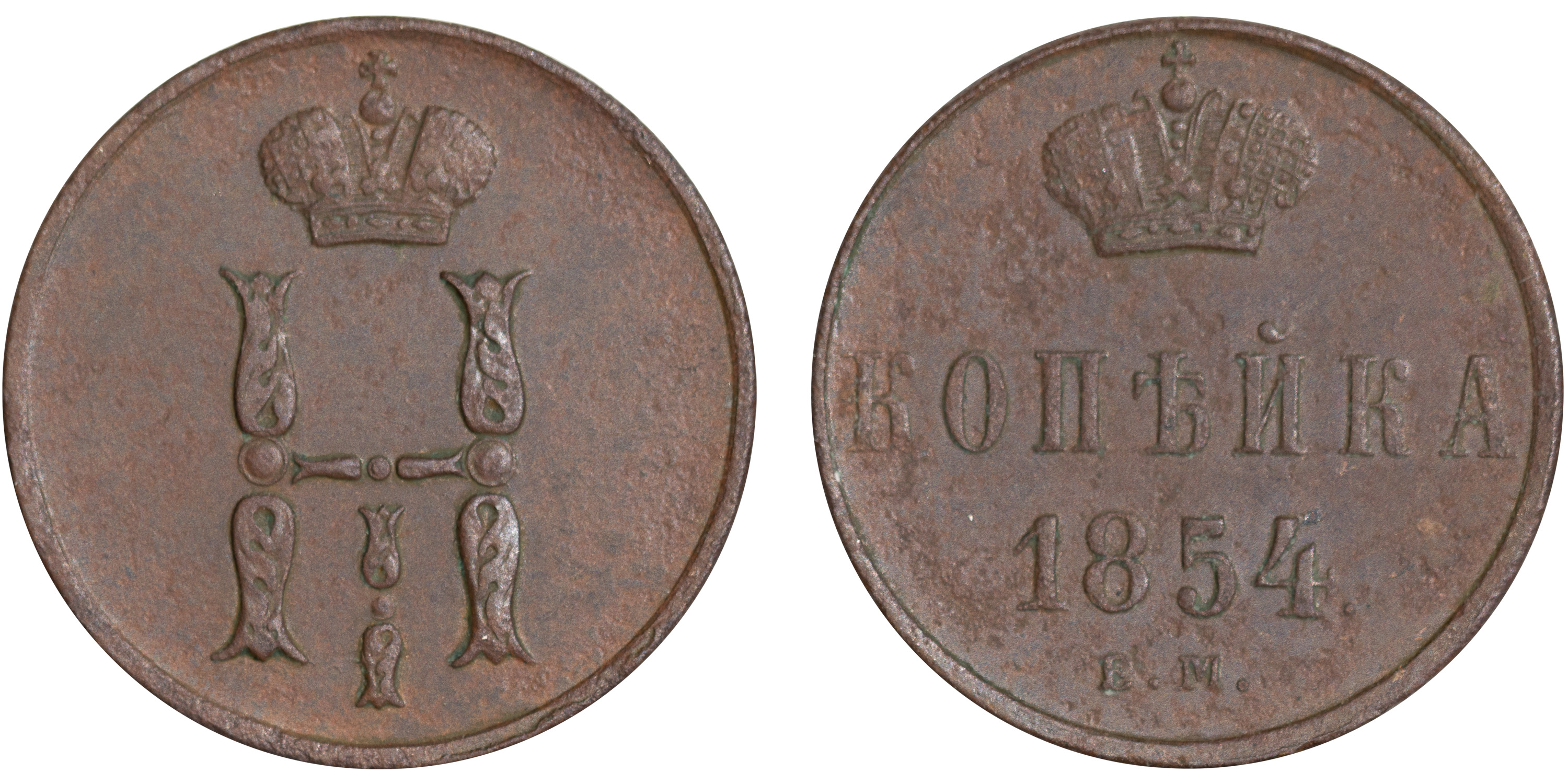
March 27 — the start of the Crimean War; Britain and France declared war on Russia.
September 11 — during the defense of Sevastopol, seven obsolete sailing ships were scuttled: the frigates "Sizopol" and "Flora", and the ships "Uriil", "Tri Svyatitelya", "Silistriya", "Selafail", and "Varna". Fire from coastal batteries and the sunken ships made Sevastopol Bay inaccessible to the Anglo-French fleet.
October 25 — the Battle of Balaclava took place, the largest battle of the Crimean War. It was the first and only battle of the Crimean War in which Russian forces held a significant numerical advantage. The Russian detachment under the command of General of Infantry Pavel Petrovich Liprandi numbered about 16,000 men. The allied forces, mainly represented by British troops, included two cavalry brigades. Overall command of the British cavalry was held by Major-General the Earl of Lucan.
French and Turkish units also took part in the battle, but their role was minor. The allied force numbered about 2,000 men. The battle began at about five o'clock in the morning, before dawn. To cover the overly wide front of the Russian cavalry attack, the Scottish commander Campbell ordered his soldiers to form a line two deep instead of the four-deep formation prescribed by regulations for such cases. The first Russian attack was repulsed.
However, the British general Lord Raglan was extremely dissatisfied with the loss of nine guns at the beginning of the battle and ordered an attack on Russian positions, which led to tragic consequences.
During the twenty-minute attack, which began at 12:20, two thirds of the attackers were killed. The remnants of the brigade nevertheless managed to withdraw in an organized manner to their original positions.
By the end of the battle, the opposing sides remained in their morning positions. By various estimates, allied fatalities ranged from 400 to 1,000 men, while Russian losses were about 600. The Russian troops did not achieve their objective in the Battle of Balaclava (the destruction of the British camp and the disruption of supplies to British forces). Nevertheless, the historical significance of this battle cannot be overstated: the outcome was that the allies abandoned the idea of taking Sevastopol by storm and shifted to positional siege operations.