
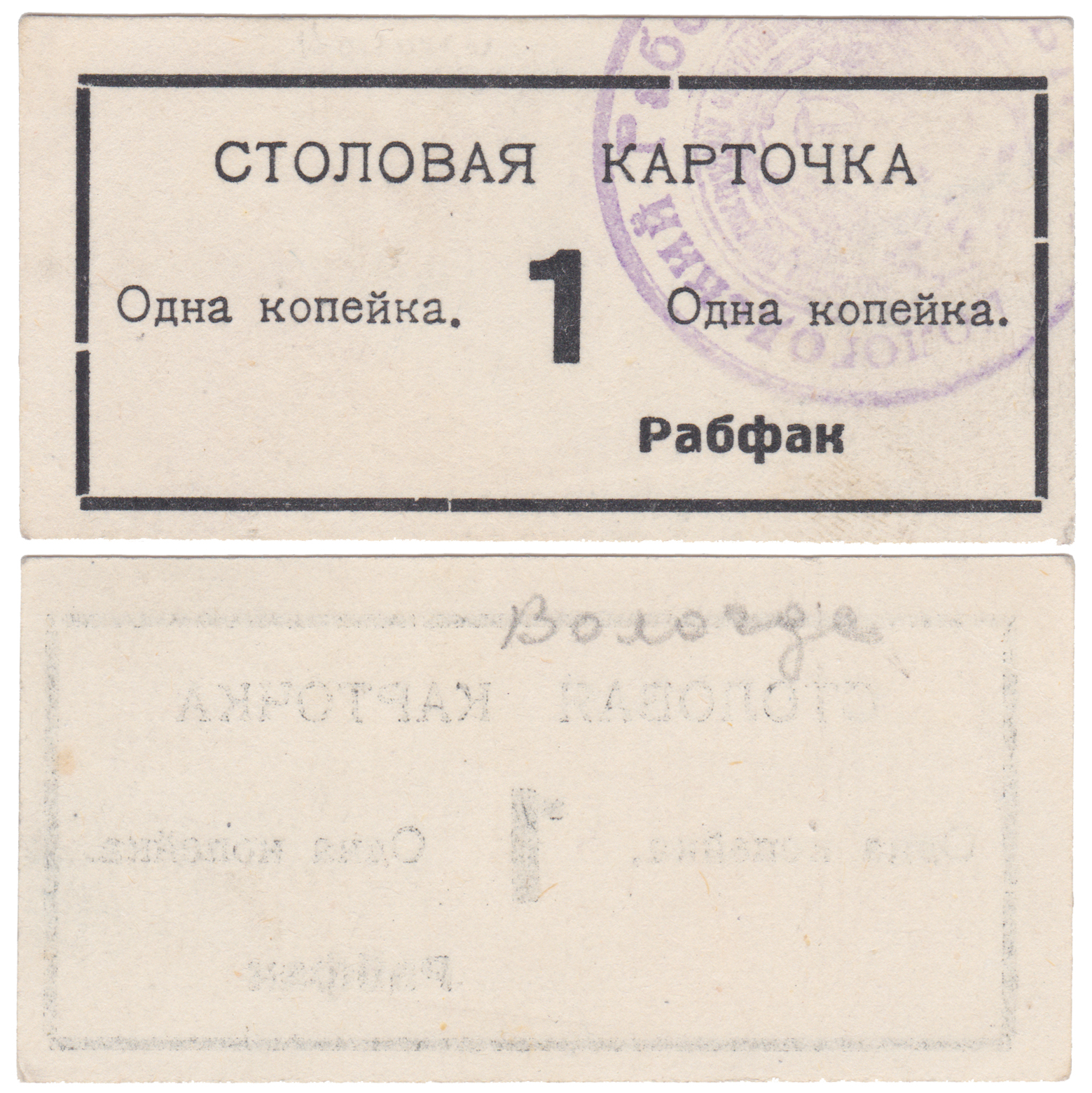
Workers' Faculty (abbreviated rabfak) was an institution within the Soviet public education system (initially courses, later full-fledged faculties) that prepared workers and peasants for admission to higher education institutions. It existed from 1919 until the mid-1930s.
By the decree of the All-Russian Central Executive Committee (VTsIK) and the Council of People's Commissars (SNK) of November 11, 1917, "On the Abolition of Estates and Civil Ranks," all estate-based privileges were abolished. By early 1918, the government had developed a set of measures to ensure the proletariat's access to higher education: the decree of August 2, 1918, "On Admission Rules," abolished the principle of selecting applicants based on ability. On September 17, 1920, the SNK issued a decree establishing general-education workers' faculties (hereafter rabfak) at higher education institutions. However, as practice showed, the abolition of entrance examinations, although it led to a large influx of workers and peasants into educational institutions, meant that due to poor preparation they were unable to study successfully.
In the 1922/1923 academic year at the Vologda rabfak, the share of the worker-and-peasant group was 38.4% of students. The rest belonged to the categories of white-collar employees, artisans, and non-labor elements. Therefore, in 1924 the authorities resorted to a "purge" of the rabfak's social composition and tightened admission rules. As a result of the measures taken, the situation changed in the second half of the 1920s. In the 1925/1926 academic year at the full-time Workers' Faculty of Vologda Governorate, the worker-and-peasant group became dominant.