
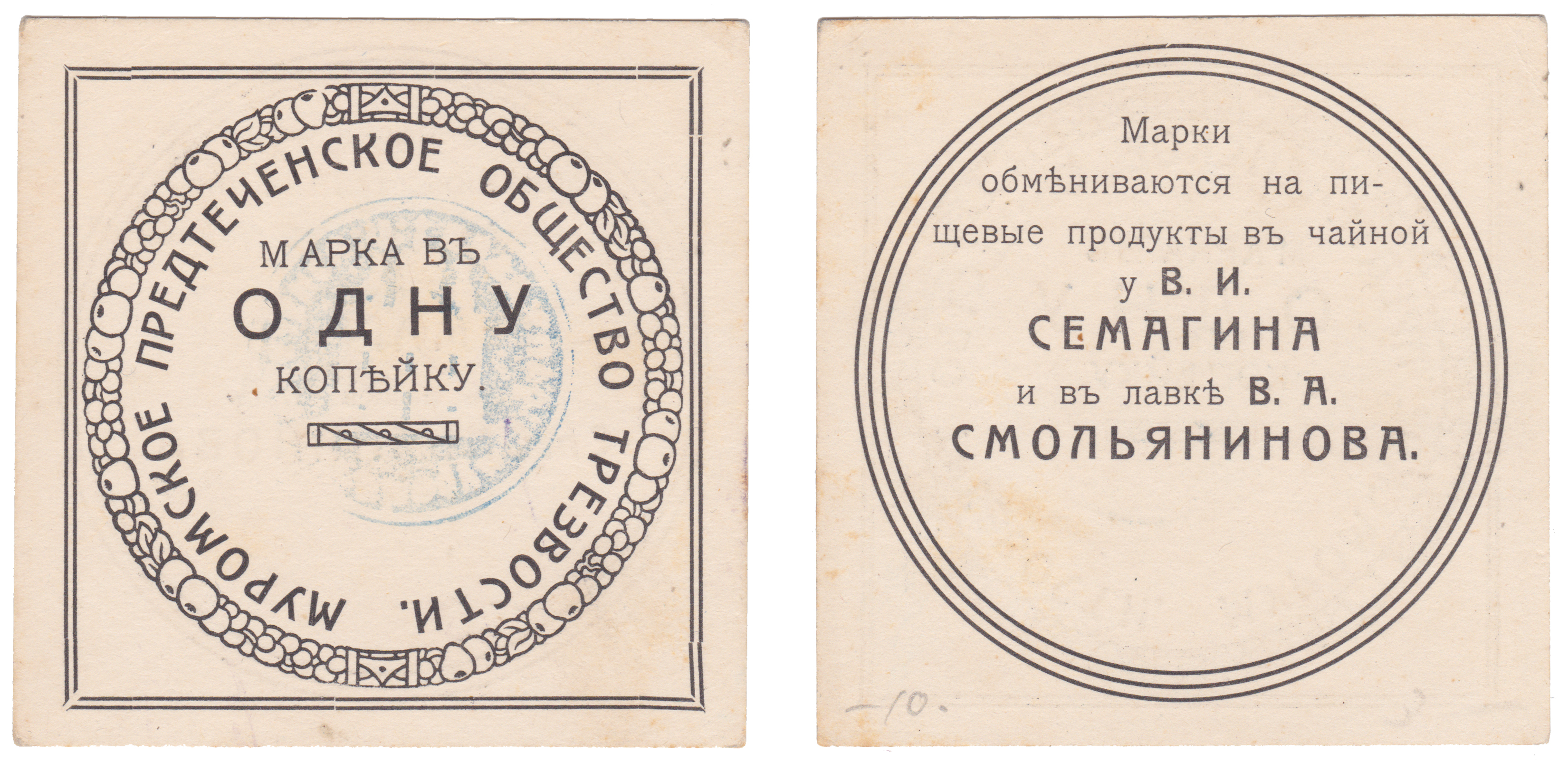
The harm caused by alcohol and its negative impact on a person’s social and personal life have been known since ancient times and have always been condemned alongside other most grievous vices. Seeing drunkenness and the spread of alcohol as a source of enormous damage, people began to think about measures to counter them. In Russia, the first temperance societies appeared; they became known in Oryol Governorate from 1859. In 1885–1893, as many as 60 such societies were established, numbering about 9,000 members. Private circles and parish church societies also arose with similar aims (Omsk, Ufa, Syzran). Each of them had from 25 to 200 people who joined the society for various periods. Their work produced certain results. For example, in the city of ____ 24,299 bans on the trade in alcoholic beverages were issued; in ____ — 39,881, and by 1892 the number of drinking establishments had decreased by 9%.
A leading role in these societies’ promotion of a sober way of life was played by public canteens, tea rooms, libraries, reading rooms, theaters, the organization of public lectures, outdoor festivities, and music classes. In order to create working capital and maintain a satisfactory financial condition for tea rooms and canteens, it was proposed in 1890 to issue special shares.
In 1894, the Ministry of Finance’s statute established a state monopoly on the sale of wine. Private trade in alcoholic beverages was heavily restricted, and in every governorate and region boards of trustees for public temperance were created, subordinate to the Ministry of Finance and headed by a chairman—the district marshal of the nobility. Under the rules of April 19, 1895, these boards of trustees were obliged to disseminate among the population knowledge about the harm of drunkenness, to oversee the proper sale of alcoholic beverages, wine production, and the practical implementation of regulations to combat drunkenness and illicit wine trading (so that taverns would sell drinks only together with a snack, decent behavior would be observed at places where wine was sold, wine would not be drunk “in a crowd” on the street, and it would not be sold to “disreputable” persons, on credit, or against pledge). The annual membership fee for members of the boards of trustees was 5 rubles. To organize public lectures, reading rooms, tea rooms, etc., the state provided an advance of up to 500 rubles. Part of the money raised from wine sales was allocated by the treasury to the boards of trustees in the form of subsidies.
On holidays, public “clubs” were arranged where one could eat, drink tea, read newspapers and magazines, play draughts and other games, and play musical instruments. Tea rooms, tea-room reading halls, and canteens were opened at bazaars and in other crowded places. Tea rooms usually consisted of two sections: for “respectable” patrons, where the fee for services was higher, and for everyone else. They sold non-alcoholic beverages, tobacco, tea, sugar, stamped paper and stamps, and savings stamps. To prevent clerks from selling their own goods (which yielded a 100% profit), the consumption of tea and sugar was recorded by a special attendant (“sidel’ets”). To account for dishes served, public canteens and tea rooms issued and sold special “money”—receipt-and-payment tokens (stamps). The tokens were purchased by visitors and benefactors for giving alms to beggars and the poor. Thus, they circulated not only within the given institution but also within the city, the uyezd, and probably sometimes even beyond them. In addition to accounting for the proper sale and issue of goods, the tokens were used to control the sums of money received at the cash desk. At the end of the day, the tokens were handed in, entered into special notebooks, to the manager, who kept their records. The notes were not issued centrally; in each governorate and city there were independent issues&