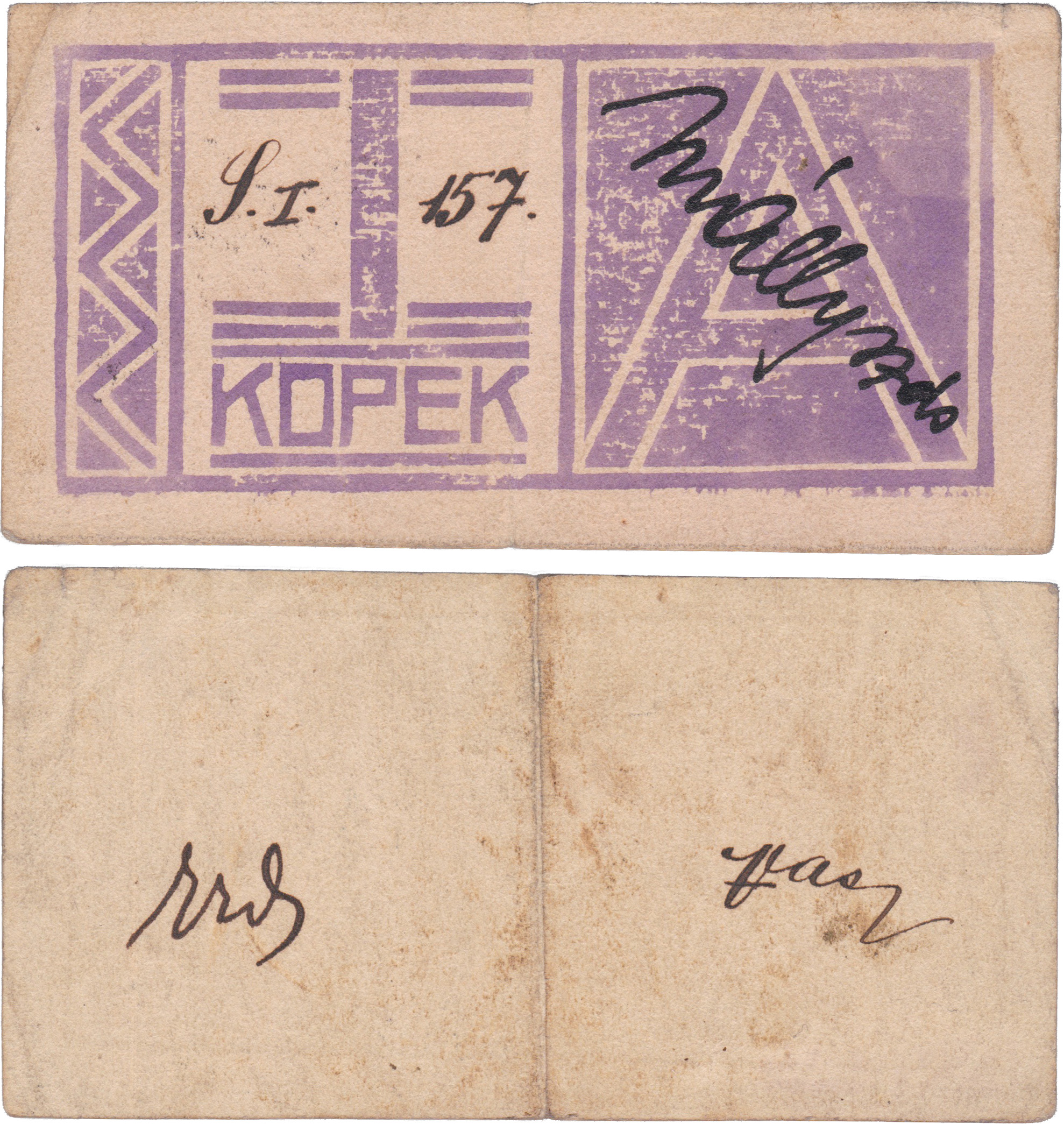
The camp was located in the area of Spasskoye-Dalnee station (now simply Spasskoye-Dalnee) in the Far East, not far from Spassk-Primorsky. It was a major railway junction and a strategically important point. In early 1916, the Spasskoye camp held 8,000 prisoners of war.
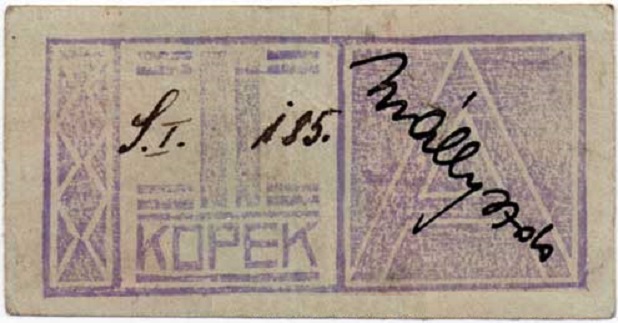
During the war, small-change silver and copper coins disappeared from circulation in the country. Only paper "kerenki", "dumki", and large-denomination tsarist credit notes (rubles, tens of rubles) were in use. For everyday purchases in the camp shop (canteen)—bread, soap, makhorka tobacco, hygiene items—kopecks were needed. Without them, normal exchange of goods was impossible.
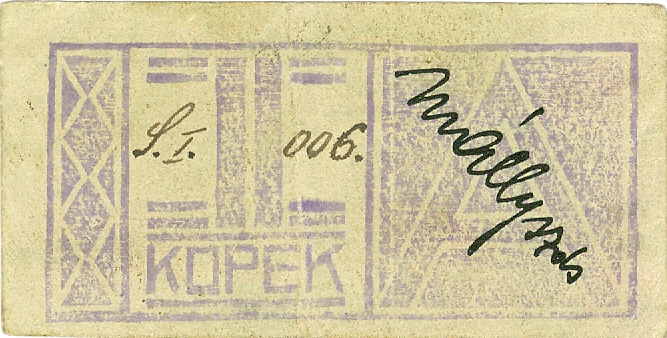
The administration sought to limit prisoners' access to real Russian money, which could be used to bribe guards or facilitate escape. Prisoners could receive these scrip notes for performing various jobs inside or outside the camp (farm work for local peasants, construction). In this way, a closed financial system was created, tying the prisoner to the camp economy. The use of special tokens made accounting and control of financial flows within the camp easier.
A most valuable material testimony to the everyday life of prisoners of war in one of Russia's most terrifying camps. It tells a story of survival, initiative, and a microeconomy on the edge of destruction.
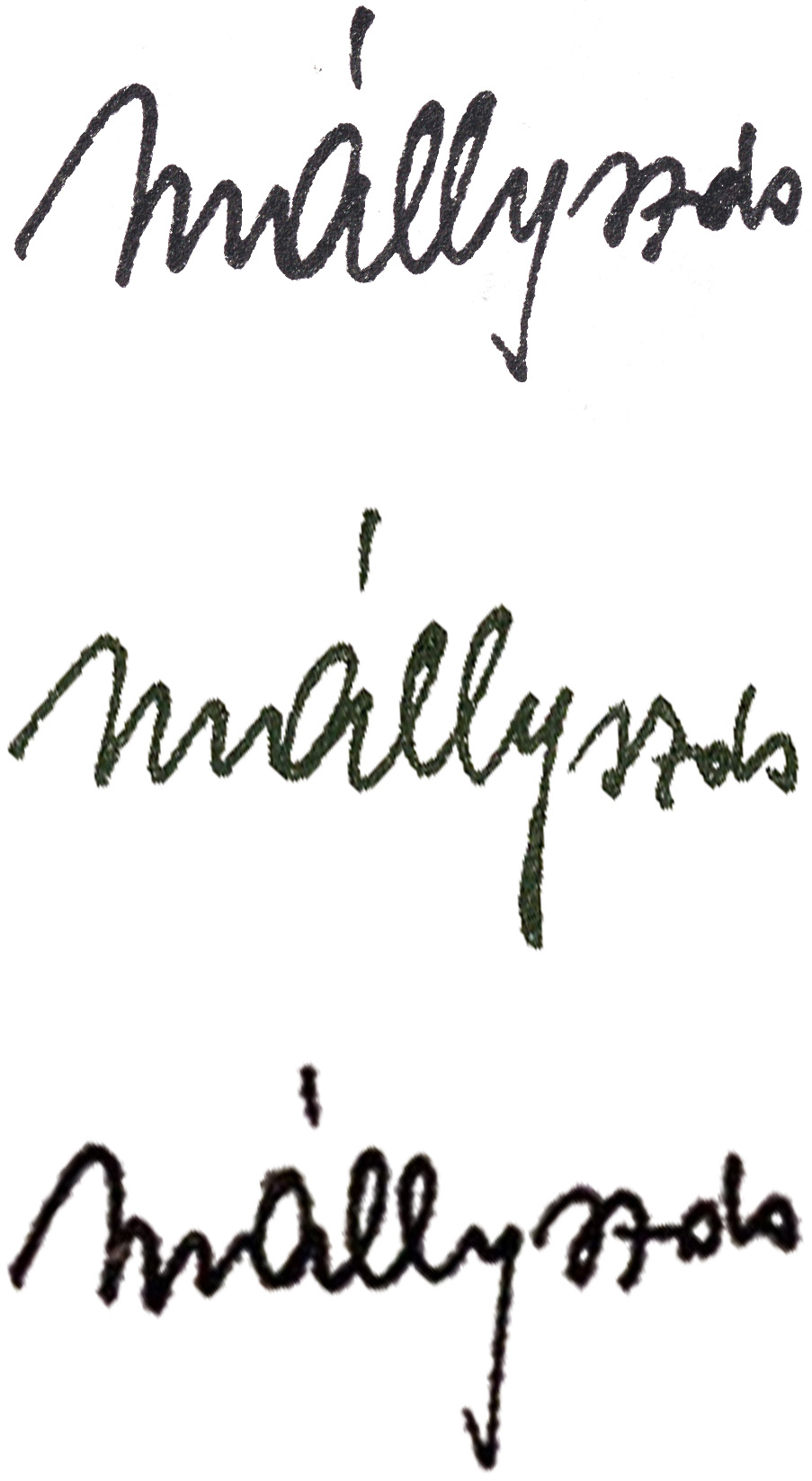
1 Kopeck 1917.
Spasskoye. Soldiers’ Camp. Camp Committee..