
May 6 — Nicholas II approved the compilation of the “Fundamental State Laws of the Russian Empire,” which became a foundational legislative act regulating the division of authority and powers between the emperor and the Russian parliament, consisting of the State Council and the State Duma.
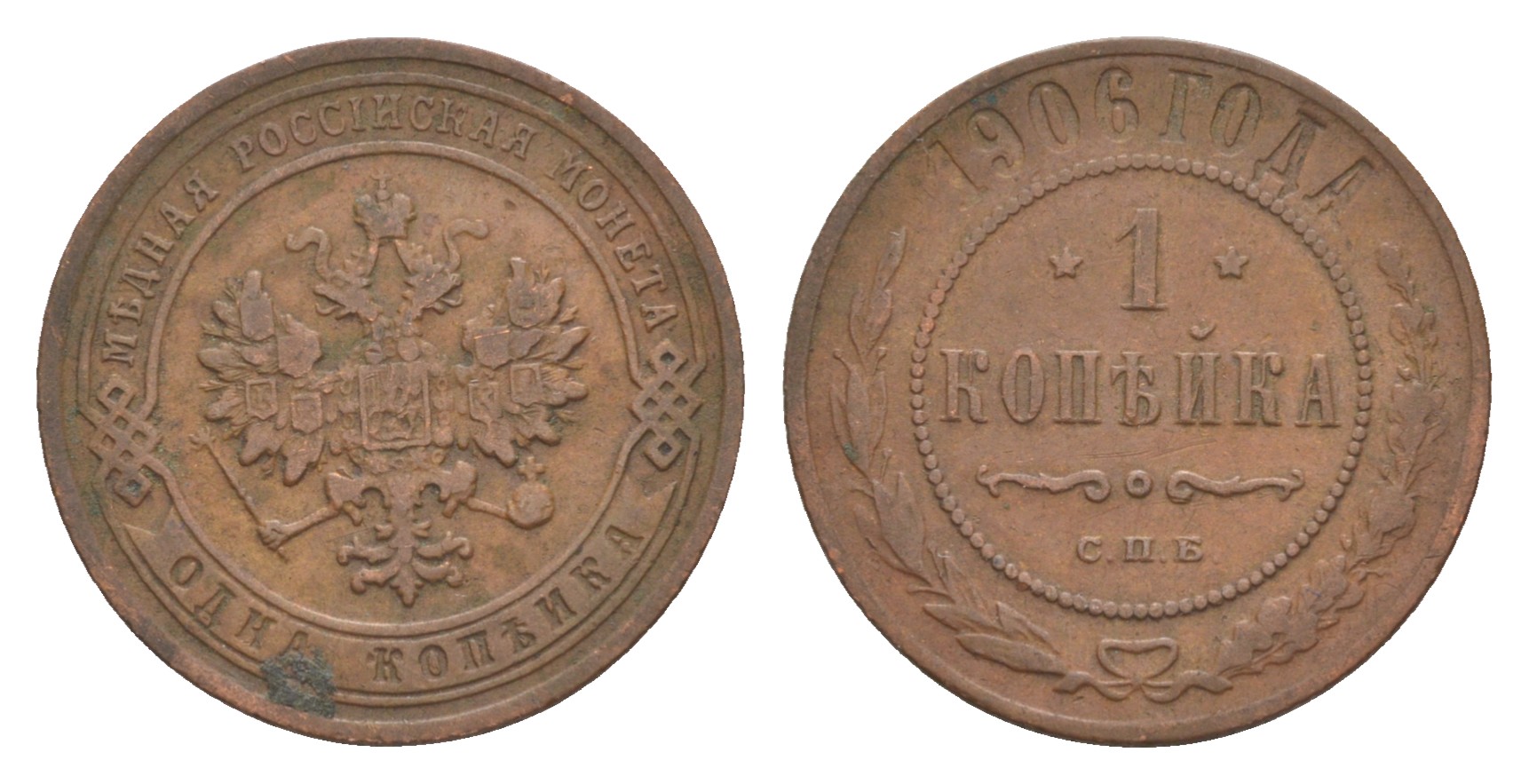
According to the Compilation, all laws adopted by the Duma were subject to the emperor’s approval; all executive power in the country likewise continued to be subordinated to him. The tsar appointed ministers, single-handedly directed the country’s foreign policy, the armed forces were under his command; he declared war, made peace, was vested with the exclusive right to mint coinage, judicial proceedings were carried out in his name, and so on.
Moreover, a special paragraph was added to the “Compilation” allowing the emperor, during breaks between Duma sessions, to issue new laws solely in his own name. Although the tsar lost two key prerogatives—an unlimited right to legislate and sole control over the state budget—the Duma’s activity was nonetheless restricted by the emperor’s power from the very beginning and, if necessary, could be dissolved by Nicholas II.
The Fundamental State Laws effectively became Russia’s first constitution, consisting of two sections, 17 chapters, and 223 articles.