
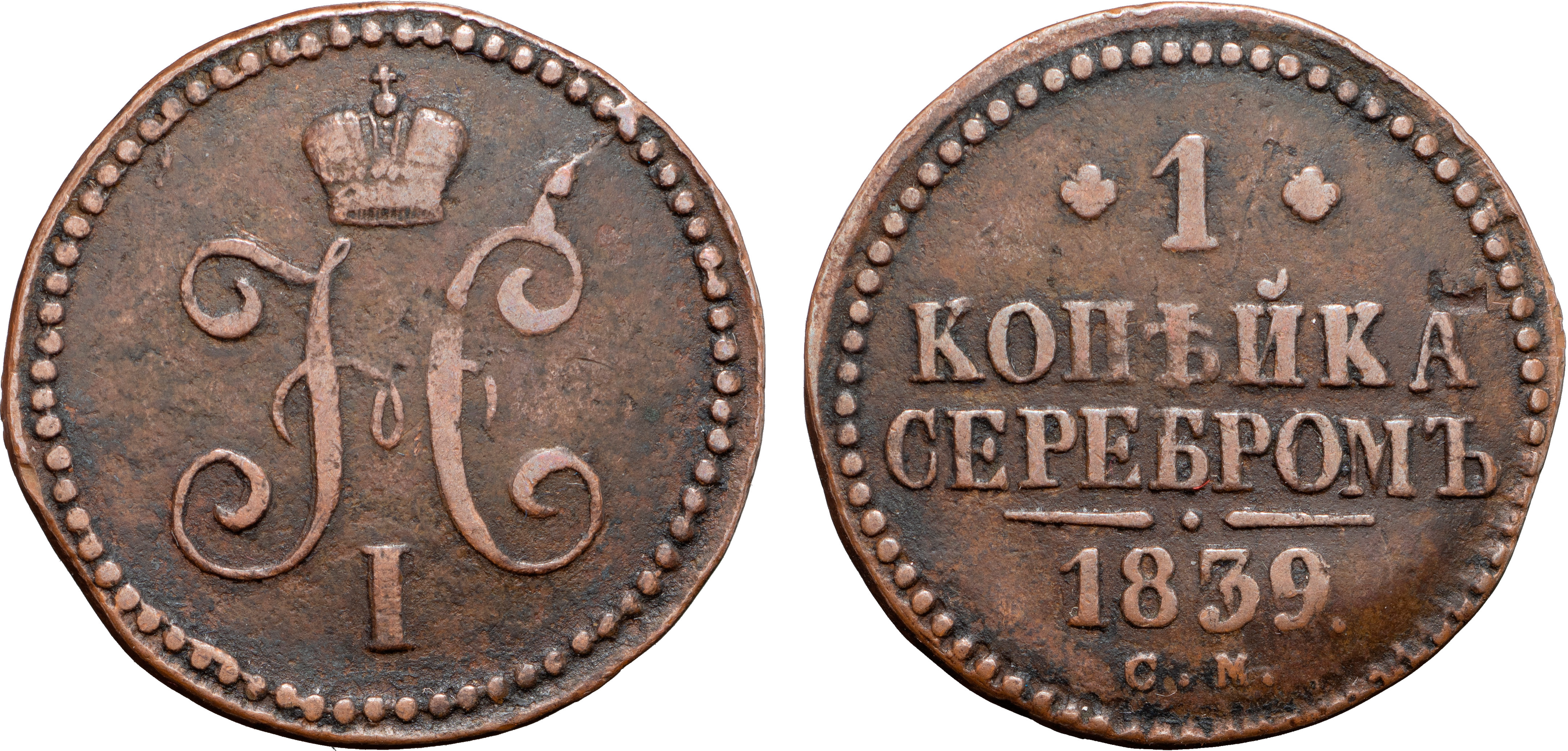
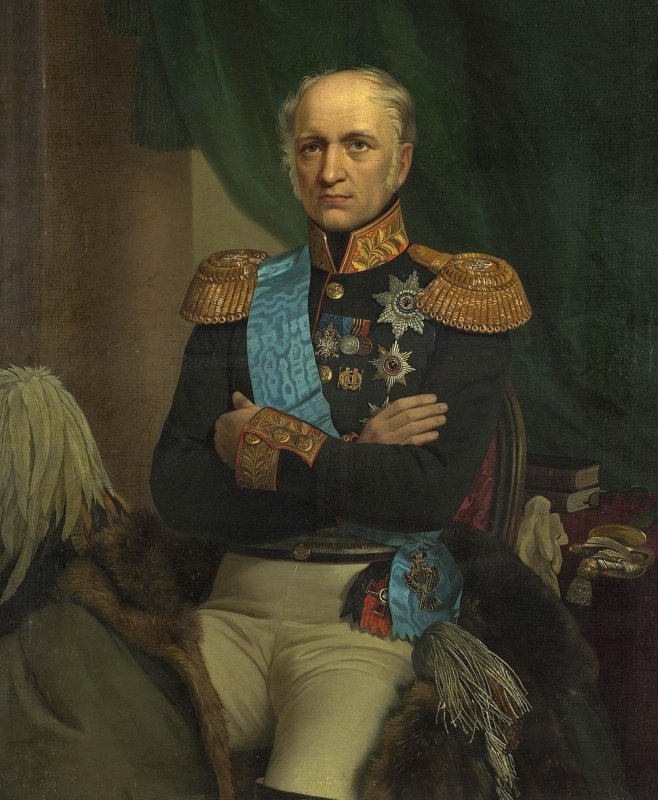
Financial reform of E. F. Kankrin.
The main goal of the reform was to stabilize the Russian currency. Before the reform, the country used assignations, which had significantly depreciated. Kankrin introduced the silver ruble as the primary monetary unit.
The first stage of the monetary reform of 1839–1843 began with the publication on July 1, 1839, of the manifesto "On the Organization of the Monetary System." According to the manifesto, from January 1, 1840, all transactions in Russia were to be denominated exclusively in silver. The main means of payment became the silver ruble containing 4 zolotniks 21 dolyas (18 grams) of pure silver.
The reform established a silver standard, meaning that the ruble was backed by silver. This helped strengthen confidence in the Russian currency both domestically and abroad.
As part of the reform, the gradual withdrawal of assignations from circulation began. This made it possible to reduce the amount of devalued paper money in the economy. Credit notes were introduced in place of assignations, and they could be exchanged for silver. This increased liquidity and trust in paper money.