1 January — The euro was introduced for cashless payments.
23 February — The government of Yugoslavia reached an agreement to end the armed conflict with Kosovo separatists.
12 March — The Czech Republic, Poland, and Hungary joined NATO.
19 March — A terrorist attack was carried out at the Central Market in Vladikavkaz.
24 March — The start of NATO’s military operation in Yugoslavia. Yugoslav air defense forces shot down a U.S. F-117 attack aircraft—the first combat loss in history of an aircraft built using “stealth” technology.
9 August — Russian Prime Minister Sergey Stepashin was dismissed. Vladimir Putin, little known at the time, was appointed acting prime minister.
4 September — A terrorist attack in Buynaksk.
9 September — As a result of a terrorist attack in Moscow on the night of 9 September, a multi-storey apartment building at 19 Guryanova Street was partially destroyed. 100 people were killed.
13 September — An apartment building bombing in Moscow on Kashirskoye Highway.
16 September — An apartment building bombing in Volgodonsk (Rostov Oblast). 19 people were killed and more than 200 were injured.
25 September — Russia took first place in the world by volume of external debt. In 2001, Russia’s external debt amounted to about $160 billion. Previously, Brazil held first place in the world by volume of external debt.
3 December — Second Chechen War: Russian troops captured Argun, the third-largest city in Chechnya.
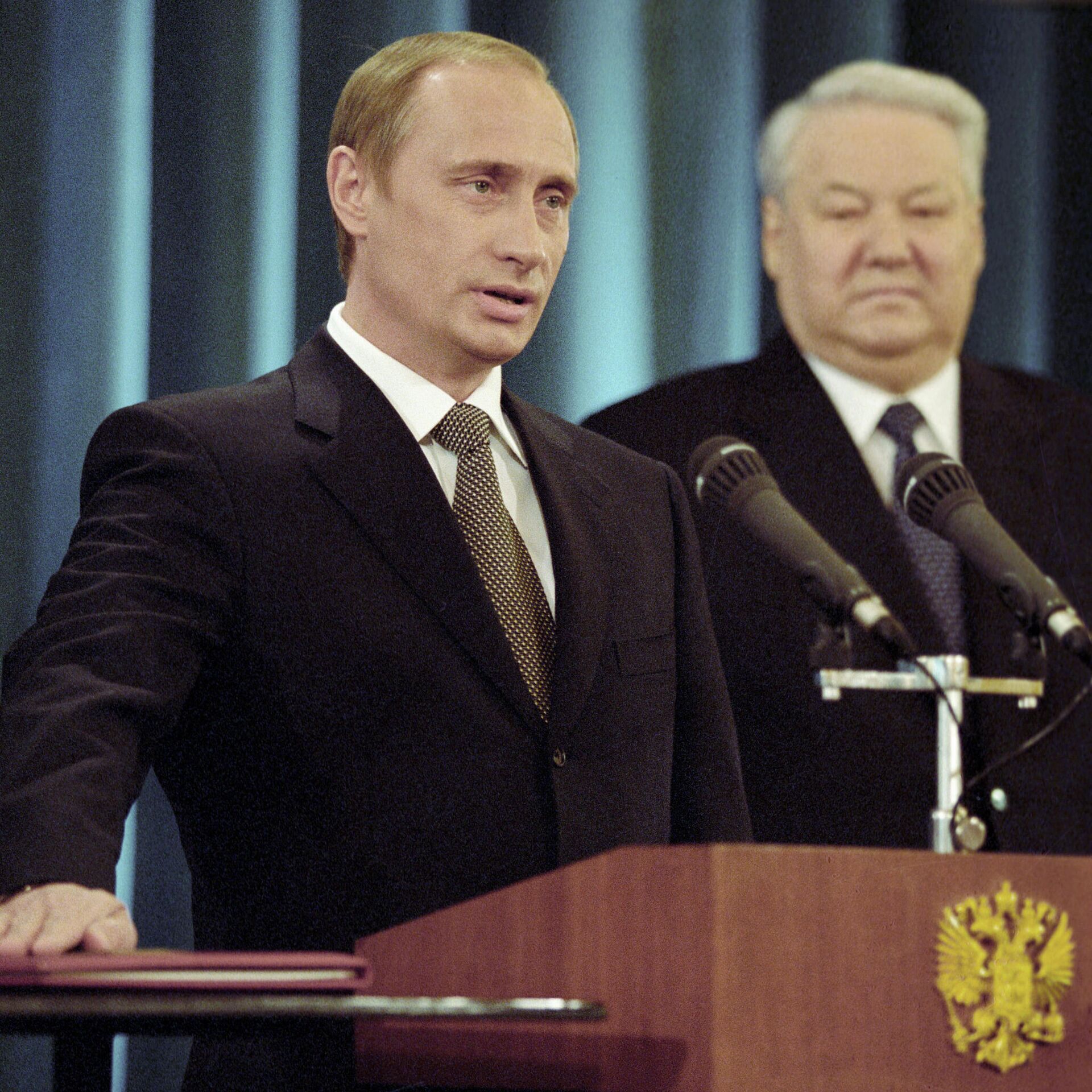
31 December — Boris Yeltsin resigned as President of the Russian Federation. Vladimir Putin was appointed Acting President.