
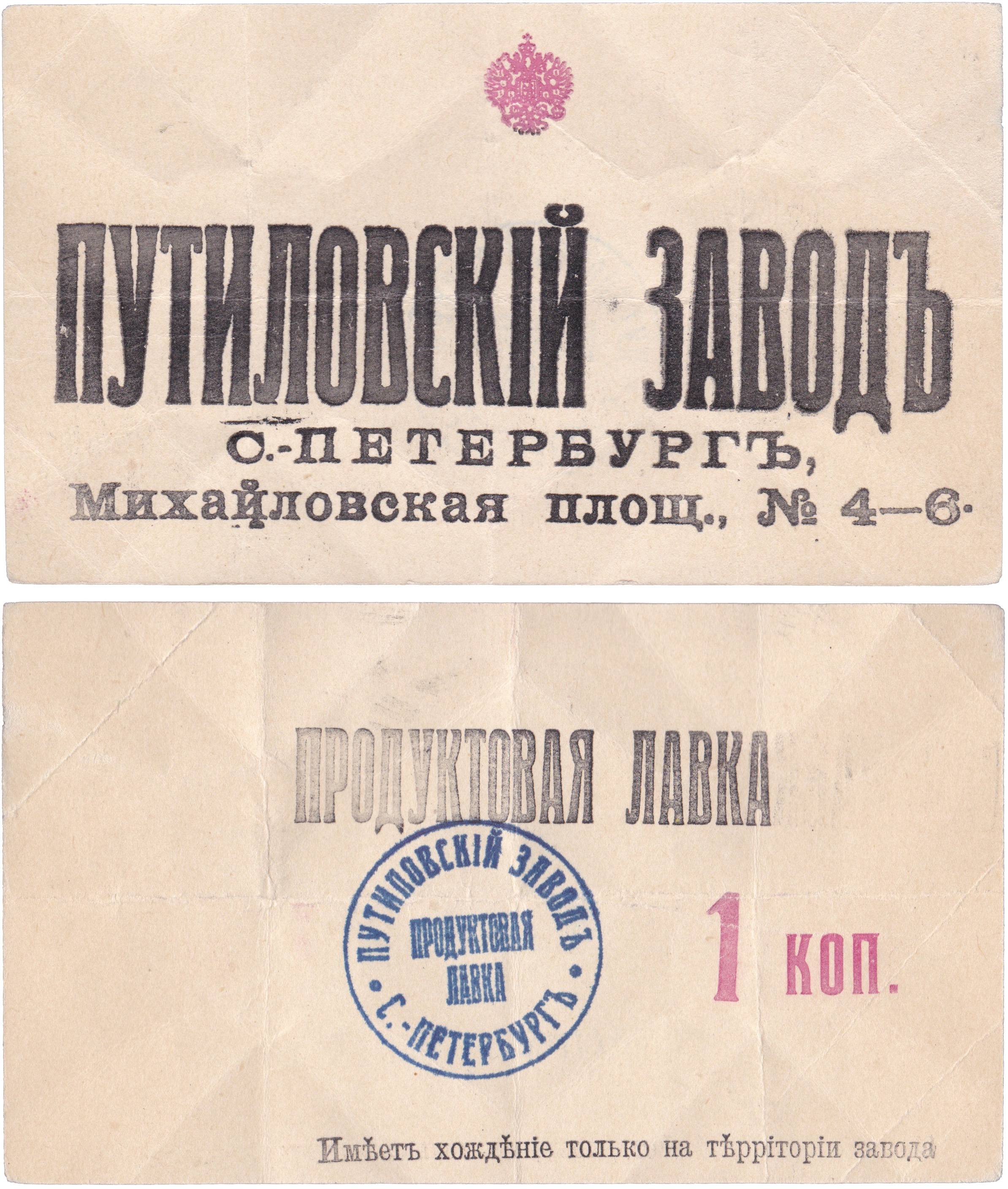
By an edict of Emperor Paul I dated February 28, 1801, it was ordered that the Kronstadt cast-iron foundry be relocated to Saint Petersburg. The plant’s birthday is considered to be April 3, 1801, when the first cannonball was cast there. In 1844, with the development of railway transport in the country, the plant began producing rails.
From 1868 to 1880, the plant was owned by the well-known Russian entrepreneur Nikolai Ivanovich Putilov, whose surname gave the plant the name Putilov Plant. During this period, an open-hearth furnace was put into operation, a rolling mill workshop was built, and the production of railway cars was launched.
In 1874, the “Joint-Stock Company of the Putilov Plants” was established. In the 1880s, the plant also began building torpedo boats and naval turret guns for battleships, and in 1894 it began producing steam locomotives. In 1900, the Putilov Plant ranked first in output among Russian metallurgical and machine-building plants, and in Western Europe it was second only to Krupp’s works in Germany and Armstrong’s in England.
In the 1910s, the plant активно developed shipbuilding, aiming to secure large naval orders. In 1911, the destroyer “Novik” was launched at the plant, the fastest ship in the world at that time. In 1912, a separate production site was founded — the “Putilov Shipyard,” now JSC “Severnaya Verf.” During World War I, the plant modified armored cars “Austin” purchased in England, and in 1916, based on these armored vehicles, it developed its own variant — the “Austin-Putilovets,” which was produced in 1918–1920.
In 1922, after nationalization, the plant received a new name — “Krasny Putilovets.”