
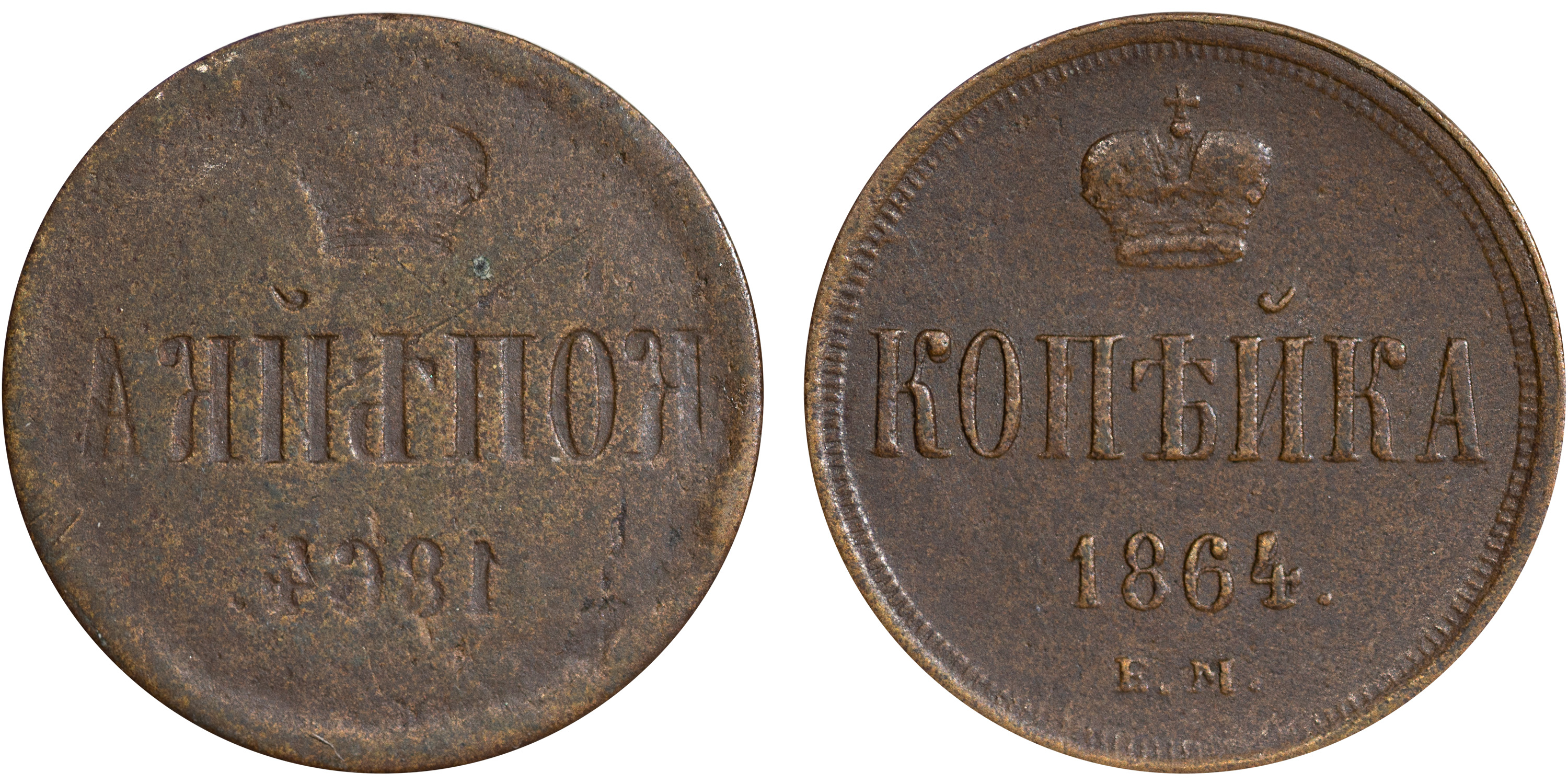
The Russian conquest of Central Asia began. Savage detachments of Bukharans and Kokandis often tried to break through the border line established along the Chu River from the city of Verny to Fort Perovsky. Each raid brought retribution. The capture of Chimkent. The Russian advance would end in a major clash, and in June of the following year Colonel Chernyaev would manage to conquer the large Kokandi city of Tashkent.
21 May — in the tract of Kbaada (modern Krasnaya Polyana near Sochi), the 100-year Russian–Circassian War officially ended. The result was the expulsion of most of the indigenous Adyghe (Circassian) and Abkhaz–Abaza population and the seizure of most of their lands.
TOLSTOY, L. N. broke his arm while hunting. It was set poorly, and the arm healed incorrectly. He had to go to Moscow; his wife stayed in Yasnaya Polyana. In Moscow he underwent an operation under chloroform. He lay down calmly, but for a very long time he could not fall asleep. Suddenly he jumped up from the chair and cried out deliriously: “My friends, we cannot live like this... I think... I have decided...” They seated him in the chair, added more chloroform, and he began to fall asleep again. For some time he would not be able to write.
12 February — the Moscow Zoo was opened.
3 June — Mitrofan Yefimovich Pyatnitsky was born, a collector and performer of Russian folk songs, founder and artistic director of the Russian Folk Choir (since 1927, the Pyatnitsky Choir).
28 September — in London, with the participation of Karl Marx, the International Workingmen’s Association — the First International — was founded.
5 October — Louis Jean Lumière was born, a French inventor. In 1895, with the participation of his brother Auguste, he created a device for filming and projecting “moving photographs” — the cinematograph.
19 September — folding car seats were patented in the USA.