
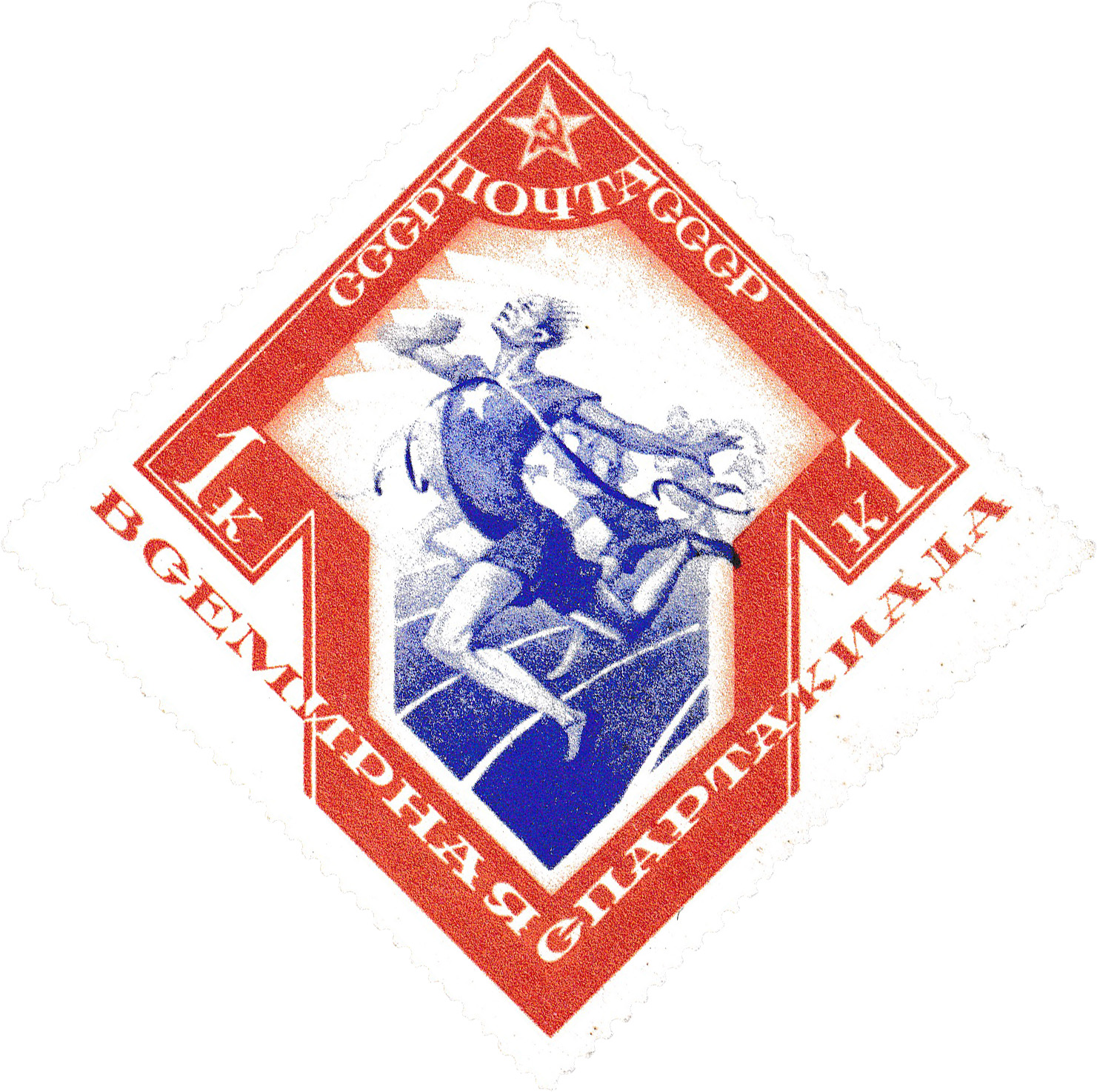
The “Running” stamp from the first multicolored series dedicated to sports, “World Spartakiad,” was issued on April 22, 1935. Print run: 200,000 copies. Artist: Vasily Zavyalov.
The complexity of the political situation in Europe forced the cancellation of the Moscow Spartakiad. However, stamps dedicated to it were still issued.
The design was based on a photograph showing the finish being won by the Siberian track-and-field athlete and serviceman Timofey Kornienko at the 1928 All-Union Spartakiad. He was the champion in the 100 and 200 meters. His 100 m result—10.8 s—was not only a new national record, but also matched the result of the winner of the 1928 IX Olympic Games, Canadian P. Williams.
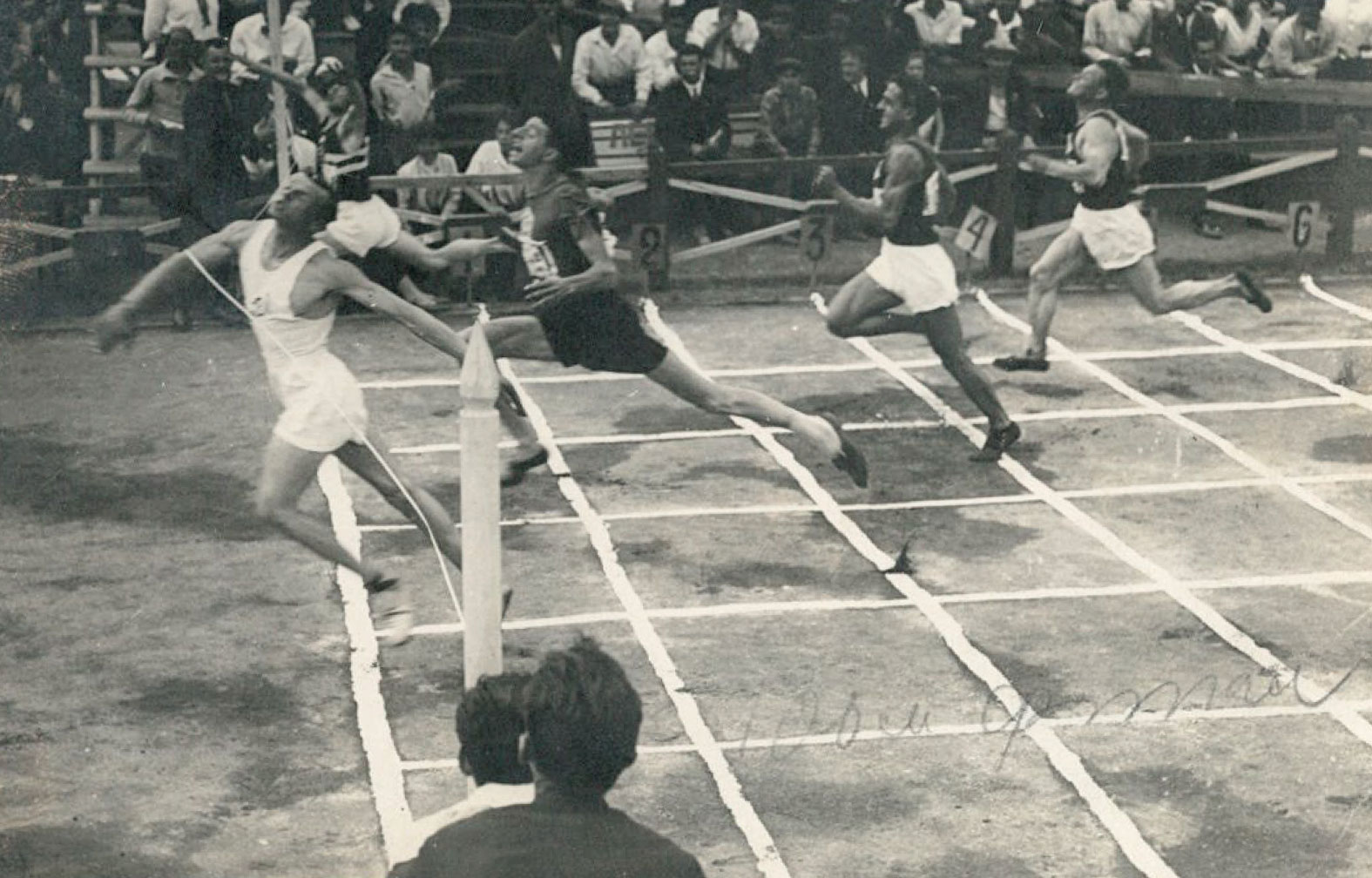
Thus, from his very first appearance on the all-Union stage, a previously unknown runner confidently entered the country’s sporting elite. Later, under the USSR national team flag, he took part in a series of competitions, including international ones. Timofey was sent to study at the Leningrad Higher Military Pedagogical School. Alongside intensive studies, he persistently continued to improve his athletic skills. He was repeatedly persuaded to stay after graduation in the capital, or at least in Leningrad, but he was adamant—only the Far East.
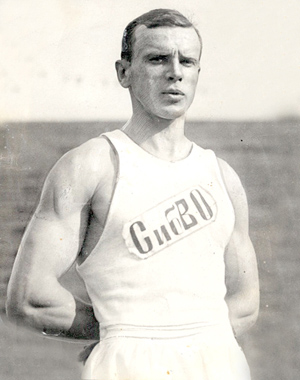
And it was here that an episode occurred that sharply changed his life. Soon after returning from Leningrad, when a generally prestigious military career in those years was already taking shape (no one yet suspected what 1937 would bring), Timofey unexpectedly resigned from the army. What prompted such a decision remained a mystery—some strange and illogical step. After all, according to the recollections of people who knew Timofey closely, he valued military service greatly and was proud that he had taken part in combat operations to defend the Chinese Eastern Railway, where he commanded a horse-mountain artillery battery. It is known only that upon arriving in Ussuriysk he served for some time as the city’s military commandant, and then was responsible for physical training in a cavalry division. Around the same time, he abruptly left big-time sport as well.
And after some time he unexpectedly left Primorye—for the Kamchatka fishery operations. There, in the settlement of Zhupanovo, he headed a fish-processing plant for several years, and under his leadership it became one of the best in the region. As a leading performer, Timofey often had contact with the region’s Party and Soviet leadership. This circumstance apparently played a fatal role. At that time on Kamchatka, NKVD officers were spinning up the so-called Krutogorov case, under which almost all local Party leaders were arrested. The most ordinary contact could easily be taken for complicity. Timofey was arrested in the autumn of 1937. He never left prison.
There are several versions of the circumstances of his death. According to the first, for “espionage” and “subversive activity” he was sentenced by a “troika” to be shot, and the sentence was carried out in February 1938. According to another, during the very first interrogation, upon hearing accusations of ties to foreign intelligence services, Timofey first hurled an inkwell at the investigator and then grabbed a stool by its leg. A shot rang out in response...
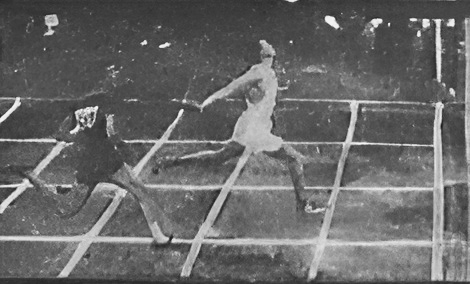
Photo by P. Romanov.