
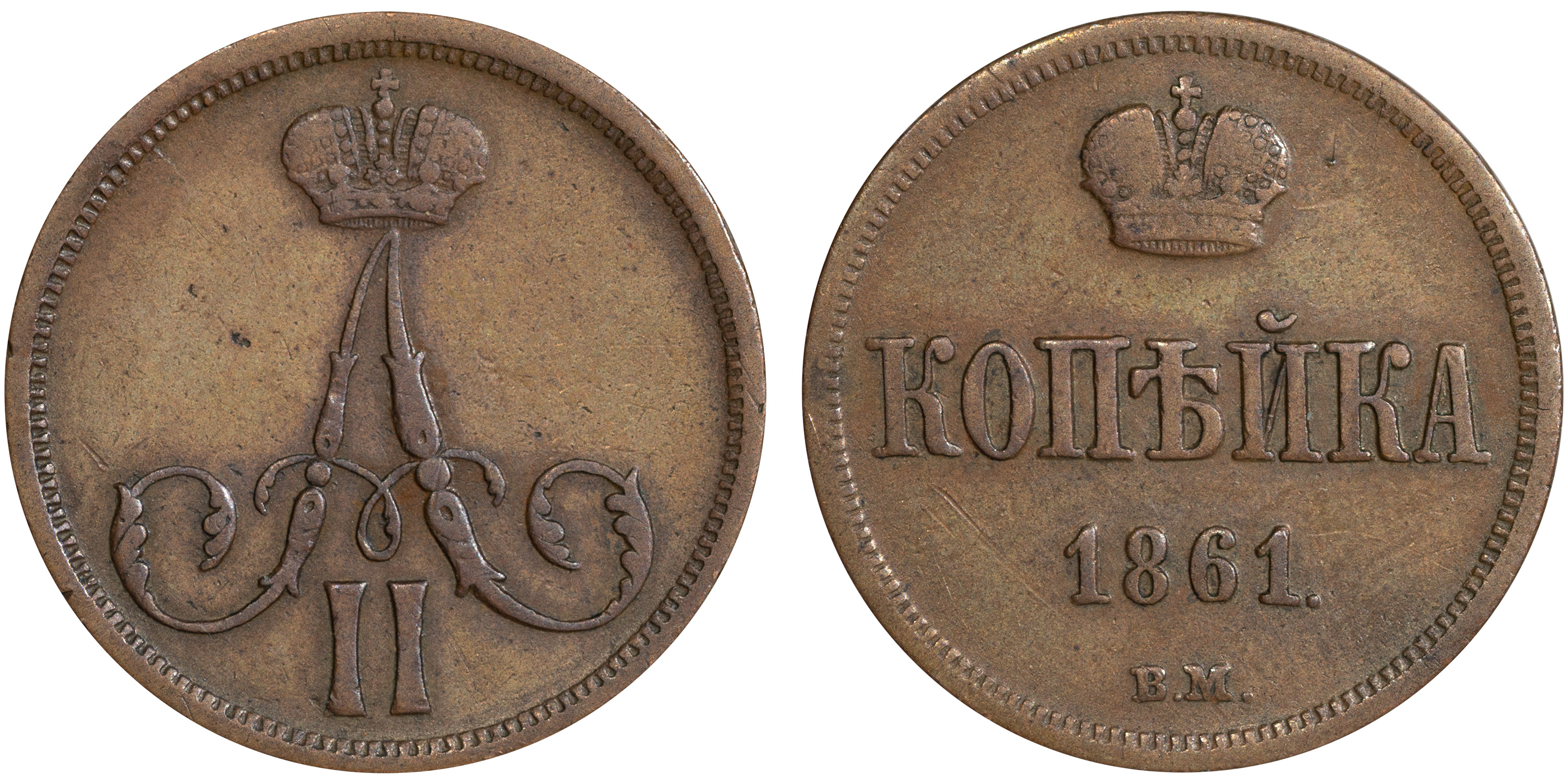
On March 3 (February 19, Old Style), 1861, Emperor Alexander II signed the Manifesto “On the Most Gracious Granting to Serfs of the Rights of Free Rural Inhabitants” and the Regulations on Peasants Emerging from Serf Dependence, consisting of 17 legislative acts. On the basis of these documents, peasants received personal freedom and the right to dispose of their property.
The document was promulgated on March 17 (March 5, Old Style), 1861—on Forgiveness Sunday, on the eve of Great Lent. The text was read in churches during the Divine Liturgy.
According to the Manifesto, peasants were granted civil rights—independent conclusion of contracts and conduct of court cases, acquisition of real estate in their own name, and others. The peasant was freed from the landlord’s guardianship and could, without permission, marry, enter state service and educational institutions, change residence, and transfer to the estates of townspeople and merchants.
The peasantry was granted legal freedom, but the land was declared the property of the landlords. For the allotments assigned to them, peasants in the status of “temporarily obligated” bore dues to the landlords, which in practice scarcely differed from the former serf obligations.
The enthusiasm with which the publication of the Manifesto was greeted was soon replaced by disappointment. Former serfs expected complete freedom and were dissatisfied with the transitional status of the “temporarily obligated.” Believing that the true meaning of the reform was being concealed from them, peasants rebelled, demanding emancipation with land. To suppress the largest uprisings, accompanied by seizures of power—as in the villages of Bezdna (Kazan Governorate) and Kandeyevka (Penza Governorate)—troops were used. In total, more than two thousand disturbances were recorded. However, by the summer of 1861 the unrest began to subside.
In the autumn, a secret political society, “Land and Liberty,” was formed in Russia.
The American Civil War began between the bourgeois North and the slaveholding South. In April, the southern slaveholding states rose in rebellion in order to preserve slavery and extend it throughout the country. In the first stage (1861–1862), the war on the part of the North was waged indecisively, “constitutionally,” which led to a number of military defeats for the Northerners. The second stage was characterized by revolutionary methods of waging war, with the participation of broad popular masses; it gave the Civil War the character of a bourgeois-democratic revolution. In 1864–1865 the main forces of the South were defeated, and in April 1865 the city of Richmond—the capital of the slaveholding states—was taken. The victory of the North consolidated the dominance of the bourgeoisie in the country, destroyed the dominance of the planters and slavery (officially abolished on January 1, 1863).
September 23 — Robert Bosch was born, a German engineer who invented the spark plug and the magneto, and the founder of the famous company.
November 6 — James Naismith was born, a Canadian-American physical education instructor who in 1891 invented the game of basketball.