
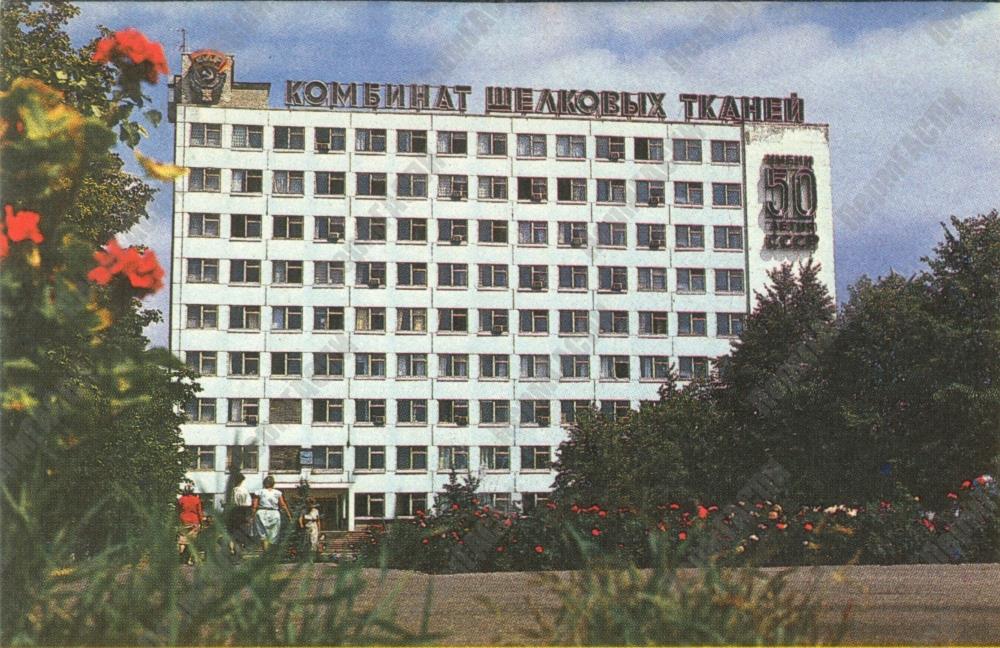
Krasnoyarsk Silk Combine named after the 50th Anniversary of the USSR (later — JSC “Shelen”) is a textile industry enterprise in the city of Krasnoyarsk. Until the 1990s, the combine was the largest enterprise of its kind in the country and the only one of its kind in Siberia and the Far East. From the 1990s, it became the largest such enterprise in the CIS until its closure.
In the 1950s, the USSR saw rapid development of jet aviation, primarily military. Many jet aircraft, both military and civilian (the Tu-104, for example), were equipped with a parachute braking system. The sharp rise in demand for parachute fabric used in aircraft braking systems was the reason for the appearance of the Krasnoyarsk Silk Combine.
Construction of the silk combine in Krasnoyarsk was carried out on a site where construction of a cotton melange combine had previously begun. By a resolution of the USSR Council of Ministers and an order of the USSR Minister of Light Industry, in 1951 the construction of the melange combine was halted, and its site was transferred for the construction of the silk combine. German specialists launched and fine-tuned production at the combine.
In May 1957, the combine began operations. That same year, the first product was produced: lining twill. Equipment arrived at the combine both from Soviet factories and from foreign countries.
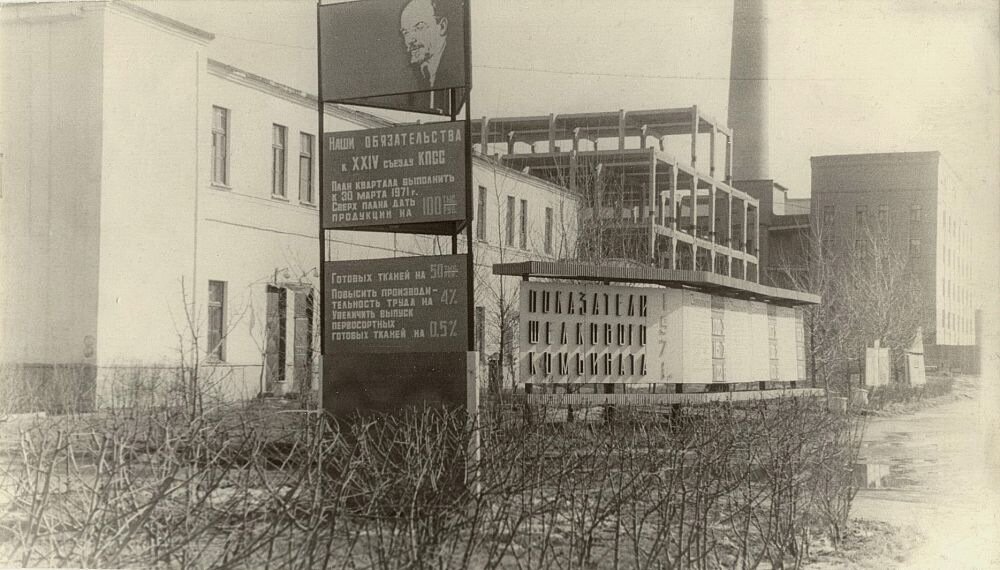
In 1969, in one of the workshops, hundreds of new pneumatic looms—developed jointly by Soviet and Czechoslovak specialists—were installed to replace the then-outdated AT-100 looms.
Gradually, the enterprise developed. The combine had five workshops, and the workforce numbered about 5,000 people. The combine had a full cycle of production for raw-material processing and design. The product range included dozens of fabric types and hundreds of patterns.
Fabric output increased by 5.4 million meters per year due to higher labor productivity. Fabrics of seven types were awarded the state Quality Mark. At the Leipzig fair held in 1972, the fabric “Khakassia” received the Grand Gold Medal. Krasnoyarsk fabrics were used to decorate the halls and lobbies of the Rossiya Hotel in Moscow and the Soviet section of the Council for Mutual Economic Assistance building.
The products were also supplied abroad. Throughout the country, the fabrics “Evenkia,” “Severyanka,” “Angara,” and “Sibir” were well known. Plush, valued by Uzbeks, was produced from raw materials from Uzbekistan and supplied there as well.
In 1972, the Krasnoyarsk Silk Combine was given the name of the 50th Anniversary of the USSR, and in 1974 it received the title “Enterprise of High Culture.”
A partnership was established with the Mansky state farm, which supplied meat to the combine. Greenhouses were built where onions, cucumbers, cabbage, and flowers were grown for the enterprise’s employees. A 400-ton vegetable storage facility was built. From 1957 to 1991, the enterprise built many social facilities: kindergartens, a vocational school, and a 600-bed dormitory. Company buses transported employees to and from work. A recreation base was available in the Berezovsky District.
On August 29, 1991, an application was filed to register the “Shelen” trademark.
On August 3, 1992, the official “Shelen” trademark was registered with identification number 106963.
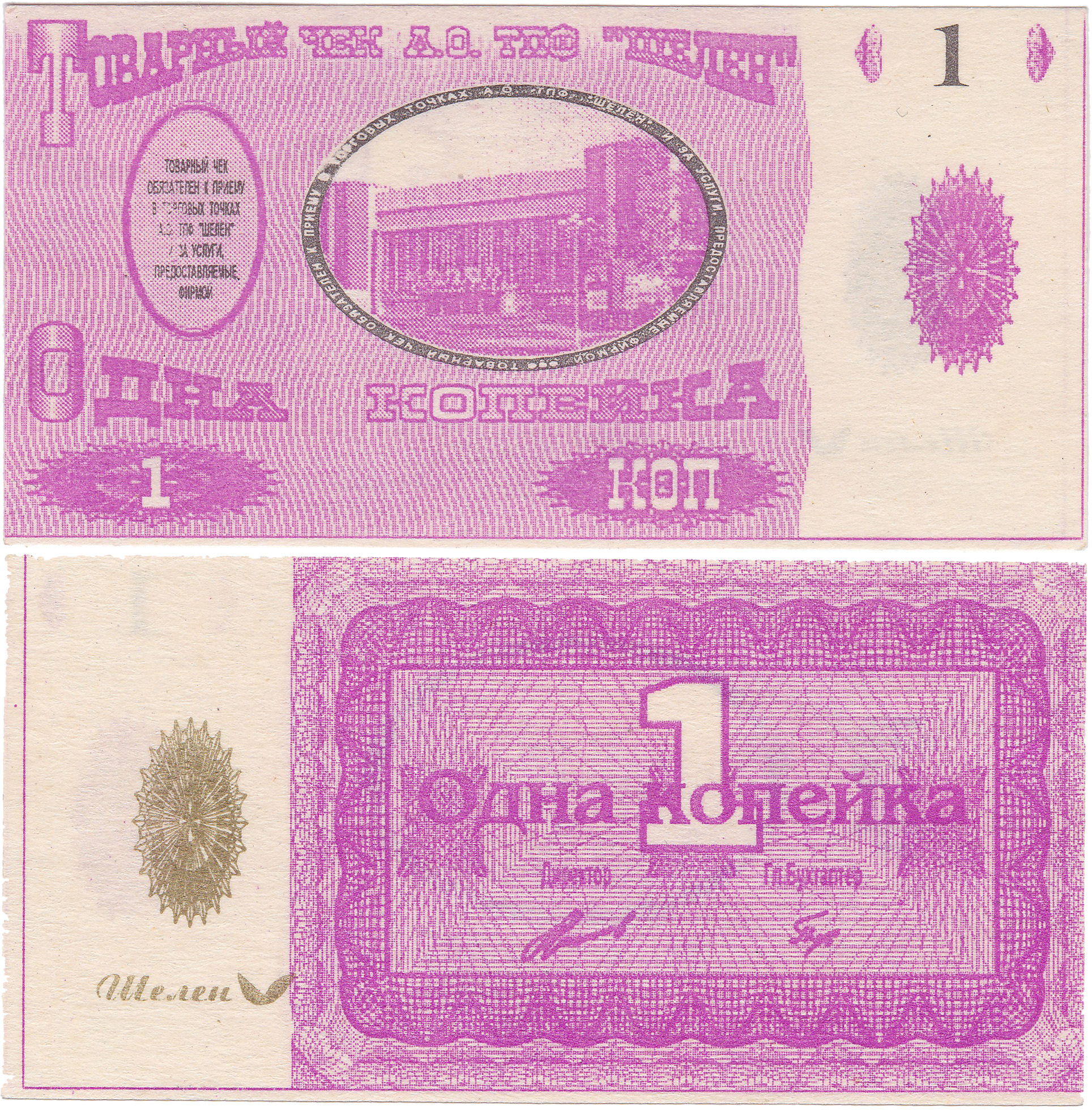
In 1992, due to privatization and corporatization, the Krasnoyarsk Silk Combine was reorganized into a joint-stock company and received a new name, “Shelen” (Yenisei Silk).
Under the new economic conditions of the 1990s, production began to decline. Less output was produced, and many workshops stood empty. The combine’s products were still sold—mostly outside Krasnoyarsk Krai. These were mainly the European part of Russia and Siberia. However, as energy tariffs rose, Krasnoyarsk fabrics became less competitive, forcing the company’s management to shift focus to the Far East.
From the early 2000s, hard times began for the combine. At that time only one workshop was operating; the rest were abandoned. In 2001, production was stopped due to the lack of a sales market. But after some time, the enterprise resumed operations again.
In 2009, bankruptcy proceedings began, after which the enterprise was liquidated.
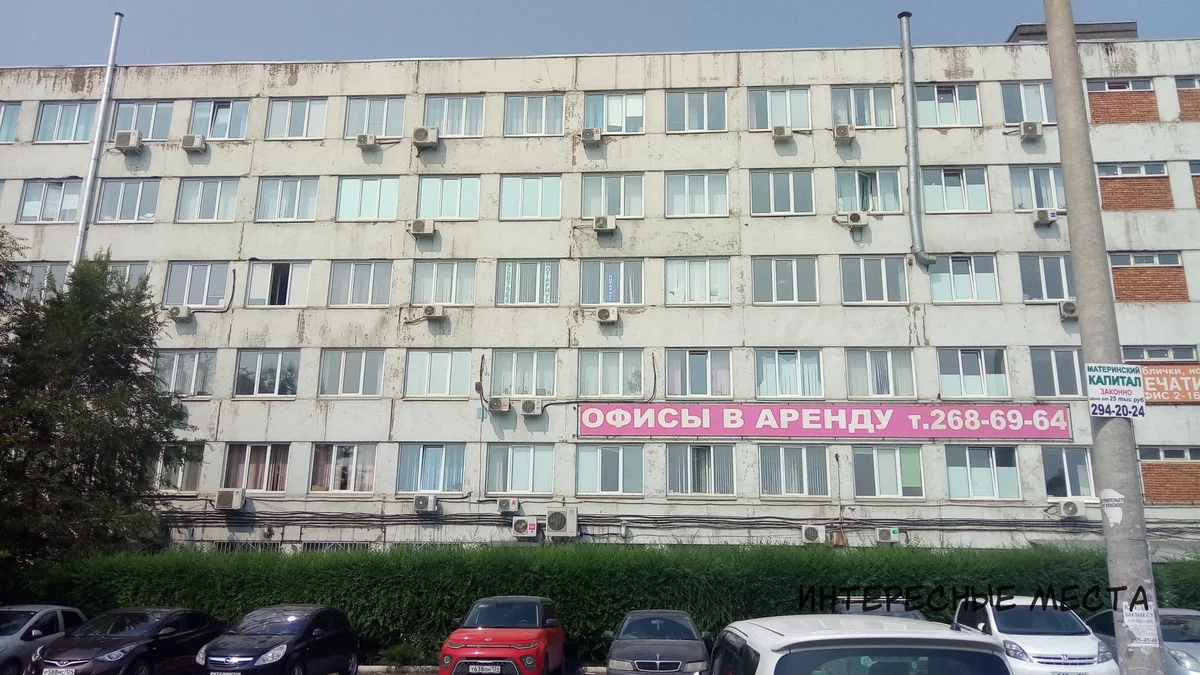
At present, part of the enterprise’s buildings is leased out for retail and office space, while another part is abandoned.