
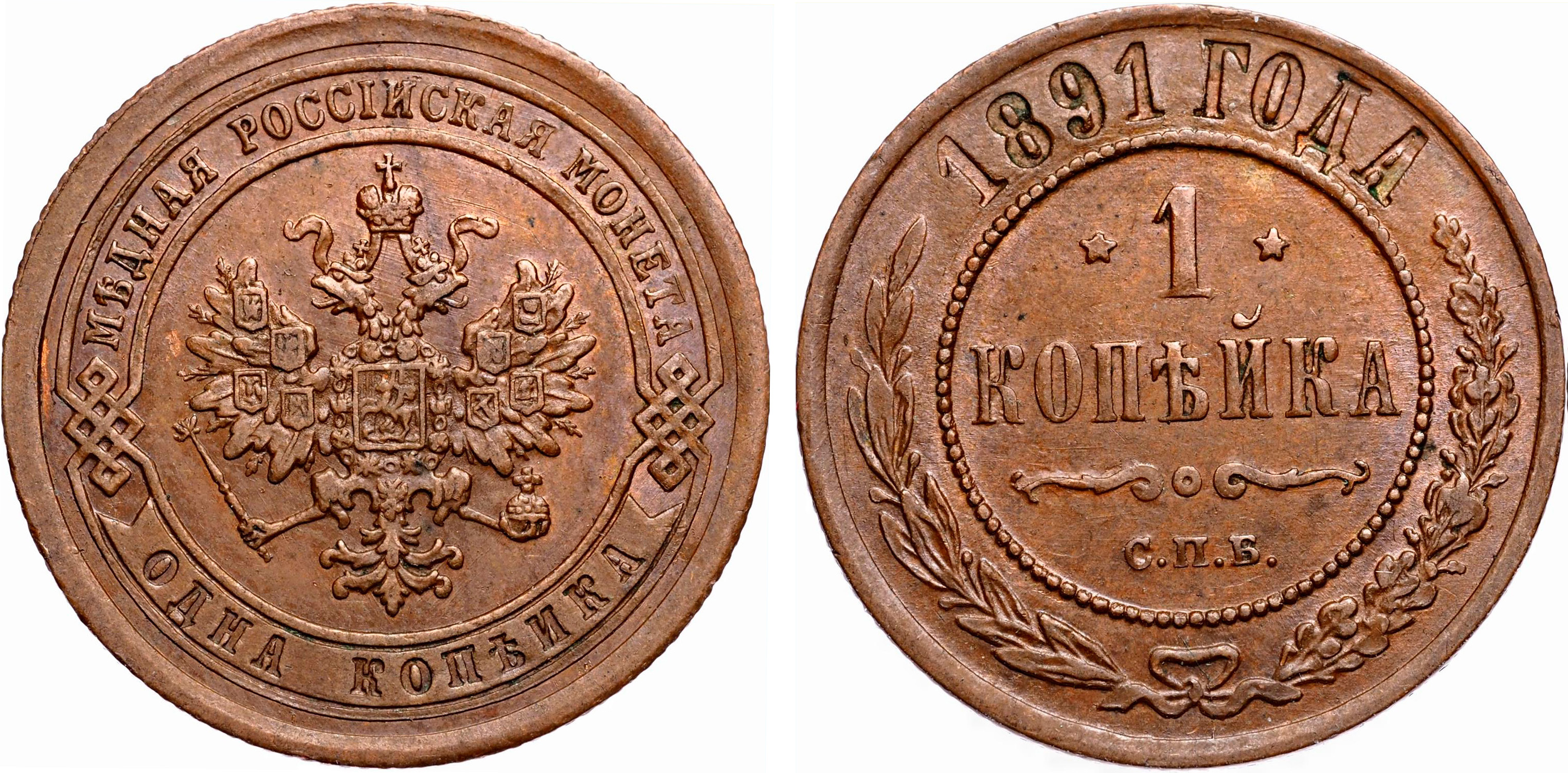
15 January — Osip Emilievich Mandelstam, a Russian poet, was born.
17 April — Alexander III signed the Rescript on the construction of the Great Siberian Railway.
15 May — Mikhail Afanasievich Bulgakov, an outstanding Russian writer, was born.
19 May — in Vladivostok, a ceremonial laying of the Ussuri Railway took place, the first link of the Trans-Siberian Railway.
27 September — Ivan Alexandrovich Goncharov, a writer, died.
Customs Tariff of 1891. A new protectionist tariff under which, out of the total number of rates, only 14 were duty-free. No duties were levied on grain, livestock, firewood, chalk, stone for paving streets, etc. On many items, compared with the 1868 tariff, duties increased by two to ten times.
Many countries, in response to Russia’s 1891 protectionist tariff, took measures to blockade Russian trade. The 1891 customs tariff did not levy duties on goods that were not imported into Russia at all, such as grain, livestock, and chalk, but significantly raised import duties on foreign machinery, chemical goods, cotton, and sugar.
Under this tariff, the number of fiscal duties, for example on tea, chocolate, spices, spirits, and the like, was, as far as possible, not changed, since an increase in duties of this kind was not dictated by the specific needs of the treasury and could lead to a decrease in state revenue rather than an increase.
A reduction in fiscal duties leads to higher revenue only when the population’s purchasing power rises, and this was expected to occur only after an upturn in industrial activity, i.e., after the protective tariff took effect.
According to the customs tariff, all imported goods were divided into groups by categories: the first group (39 categories) consisted of foodstuffs (grain, vegetables, fruit, tea, sugar, etc.); the second group (categories 40–57) consisted of animals and livestock products (lard, bone, horns, leather, furs, leather goods, etc.); the third group (categories 58–64) consisted of crop-growing and forestry products (timber, plants, wooden products, etc.).
The tariff had a strictly protective character for all Russian industry and extractive production, i.e., it contained protective rates both on raw materials and on finished products. In practice, this tariff marked the beginning of a new approach to customs policy.