
The world’s first postage stamp, the “Penny Black,” featuring a portrait of the young Queen Victoria, was issued; price: 1 penny; print run: 68 million copies.
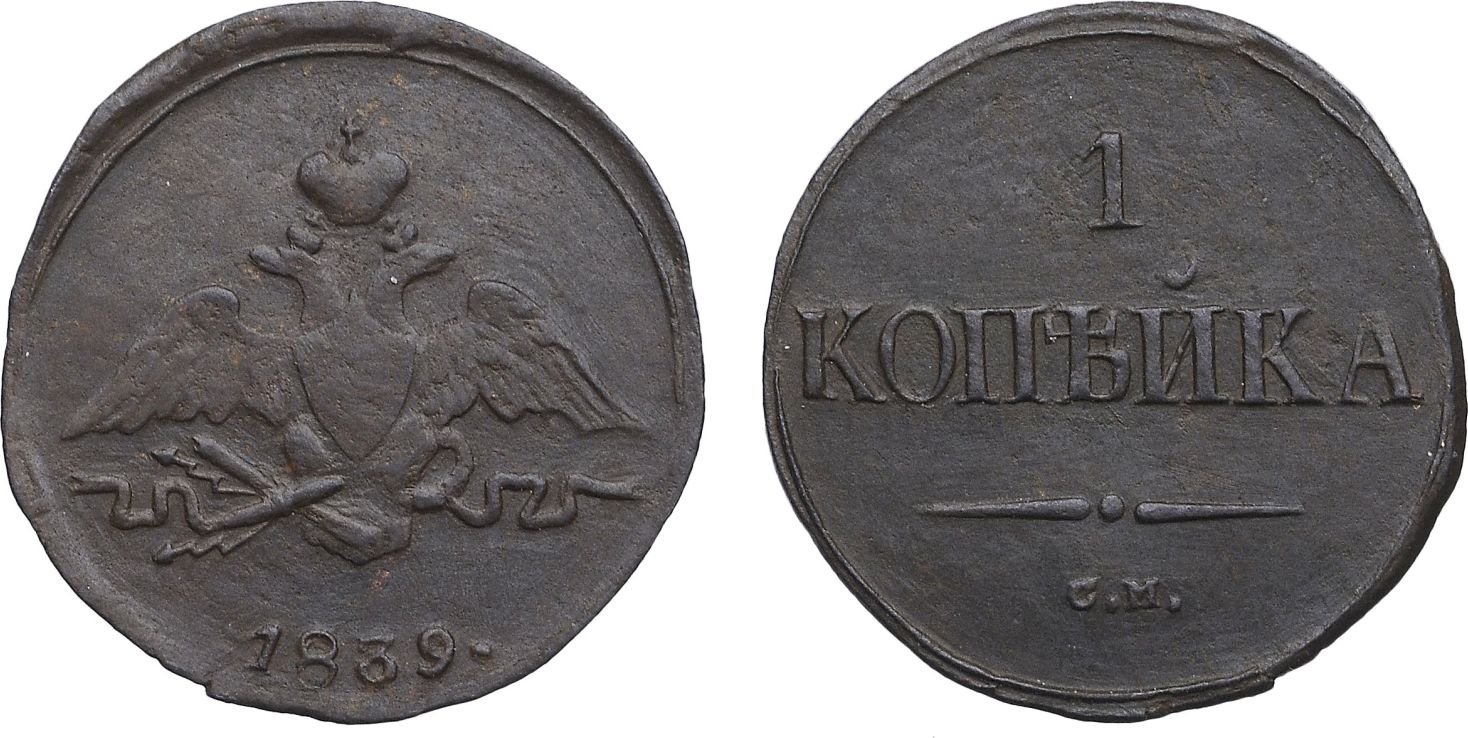
Monetary reform of E. F. KANKRIN. An exchange rate of 3 rubles 50 kopecks in assignation rubles for one silver ruble was declared permanent, with the silver ruble adopted as the sole monetary unit. It was decided to replace assignations at the stated rate with credit notes continuously redeemable for full-value coin. In June, a law was issued establishing that in all treasury settlements with the population and in all commercial transactions, accounts must be kept in silver. The silver ruble was declared the main coin, and the rate for assignations was fixed once and for all at 350 kopecks per ruble.
On the day the Nizhny Novgorod Fair opened, the governor invited the largest merchants to his residence, outlined the long-recognized inconveniences of the empire’s existing monetary system, and retold the emperor’s decree. He ended his speech with a call to implement the reform immediately, and to give the law retroactive effect. The merchants agreed, but did nothing of the kind.
14 July — the marriage of Grand Duchess Maria Nikolaevna to the Duke of Leuchtenberg took place. The palace church was filled with representatives of all the monarchs of Europe and Asia, several foreigners who had received permission to attend as part of the diplomatic corps, ambassadors’ wives, and court officials. A balustrade separated them from the semicircular hall where the altar stood. Places for the imperial family were on the kliros. The crown above the Duke of Leuchtenberg’s head was held by Count PALEN, the Russian ambassador in Paris; above the Grand Duchess’s head—her brother, the Tsarevich-heir.
Nicholas I acquired Neskuchny Garden, formed by the объединение of manor gardens belonging to the princes GOLITSYN and TRUBETSKOY and to the industrialist P. A. DEMIDOV.
10 September — the second ceremonial laying of the foundation stone of the Cathedral of Christ the Saviour took place, on the site chosen by Nicholas I.
26 June — LERMONTOV, M. Yu., wrote verses in the album of SOFYA NIKOLAEVNA KARAMZINA and asked that, if she did not like them, she tear them up and he would write others. She did not like them; she tore out the sheet, ripped it into small pieces, and threw them on the floor. He picked them up, burned them over a candle, and asked for the album so he could write something else. He wrote again. This time she did not tear it up. That year Lermontov became enamored of Princess MARIA ALEKSEEVNA SHCHERBATOVA. She told him to pray when he felt melancholy. Later, because of her, he would fight a duel with an attaché of the French embassy, the son of the French ambassador A. G. P. BARANTE.
PUSHKINA, N. N., commissions a tombstone monument from the St Petersburg craftsman PERMAGOROV for her husband’s grave at the Svyatogorsky Monastery.
TRETYAKOV, PAVEL MIKHAILOVICH, the future founder of the Tretyakov Gallery, was born.
15 October — Queen Victoria of the United Kingdom proposed to her German cousin Prince Albert of Saxe-Coburg only five days after his appearance at the English court. In her diary she noted: “Albert really is charming and handsome. He has a beautiful figure: broad shoulders, a narrow waist—my heart is lost.” They would marry in February.
The French artist Daguerre discovered photography (the daguerreotype).