
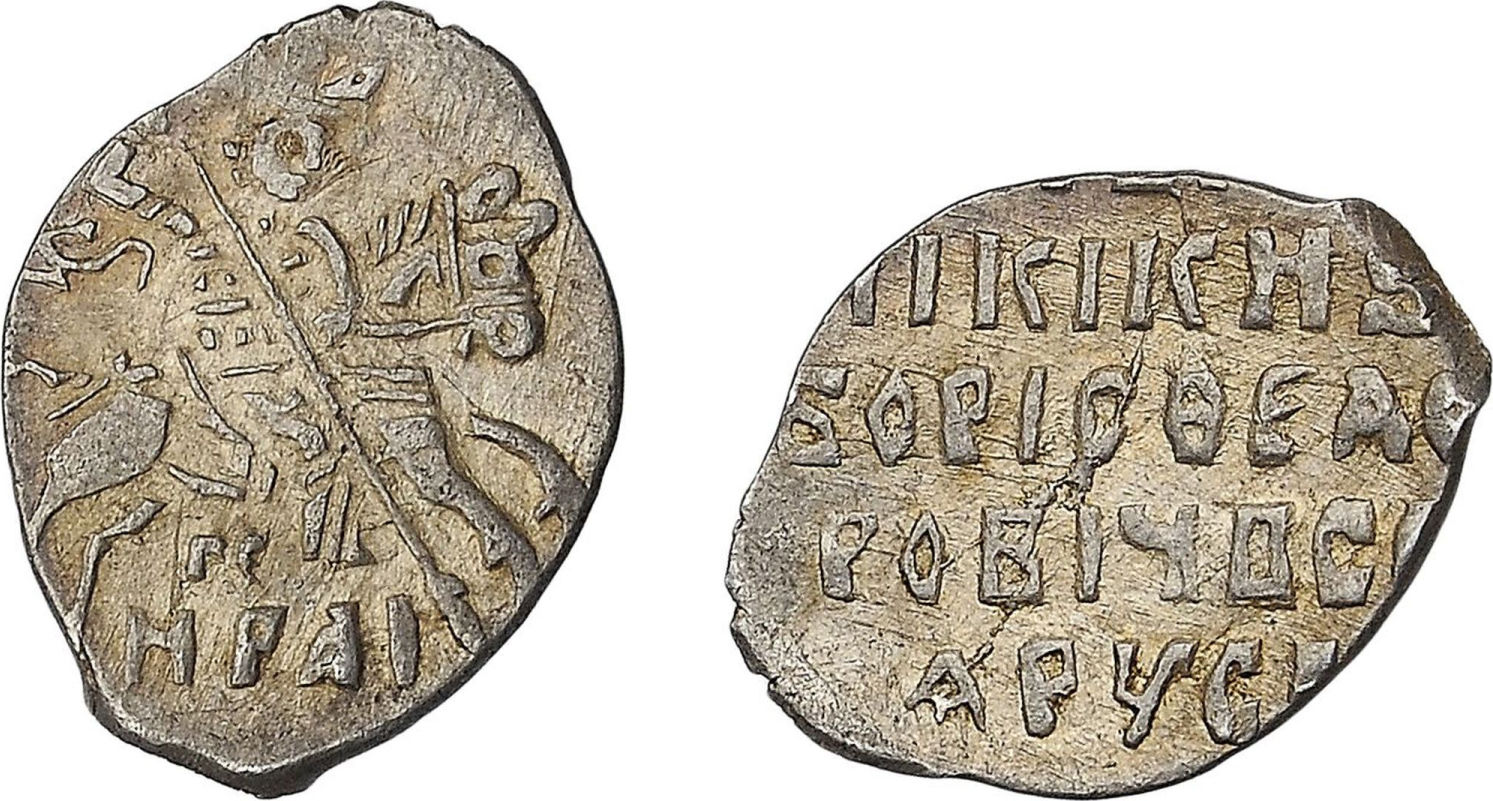
In 1601 an unheard-of famine began, lasting three years—a terrible disaster that struck Russia as a result of unprecedented natural calamities. During the cold summer of 1601, prolonged rains prevented the grain from ripening, and early frosts worsened the misfortune. Peasants used unripe, “frost-bitten” seed to sow winter crops, and therefore in the winter fields the grain either did not sprout at all or produced poor shoots. Already in the spring of 1601, “bread was expensive.” The weak crops—on which, nevertheless, farmers pinned their last hopes—were destroyed by frosts in 1602; rye began to be sold at six times the price, and by 1603 the peasants had nothing with which to sow their fields, and the price rose threefold again. Not only the poor, but also the middle strata of the population could not buy such bread. Having exhausted their food supplies, the starving turned to cats and dogs, and then began to eat grass and linden bark. Starvation scythed down the population throughout the country. Corpses lay along the roads. In the cities, they could barely manage to cart them out to the fields, where they were buried in large pits.
Soon cholera broke out, from which more than 100,000 people died in Moscow alone. Tsar Boris Godunov tried to help overcome the famine by generously distributing money to the poor, but this only intensified the disaster: having learned of the sovereign’s mercy, “crowds of people poured into Moscow from all sides; even those who could have fed themselves where they lived went there. From this, of course, want in the capital increased still further, and Boris, seeing that as a result of the money distribution he had undertaken people from the whole State were rushing to Moscow to an obvious death, decided to stop this distribution, which led to even greater calamities,” since money lost value day by day: even one person could no longer feed himself on a state kopeck. Government agents were sent throughout the state to identify grain reserves. Not a little of the grain sold at fixed prices from state granaries ended up in the hands of speculators. Many greedy people tried to profit from the terrible need, hiding away grain in their bins in anticipation of an even greater rise in prices.