
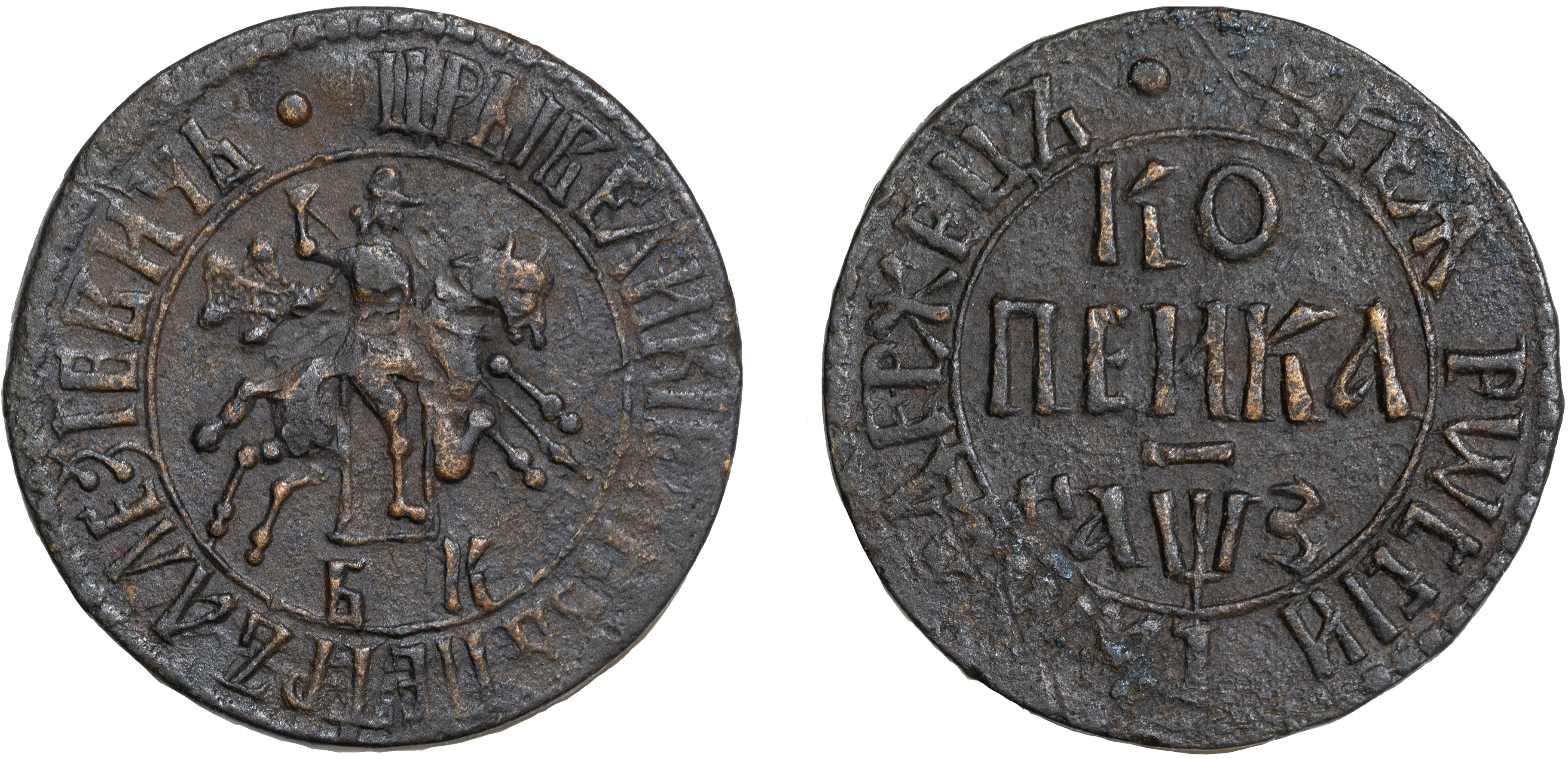
29 April — the Scottish Parliament is united with the English one; the new state entity is given the name Great Britain.
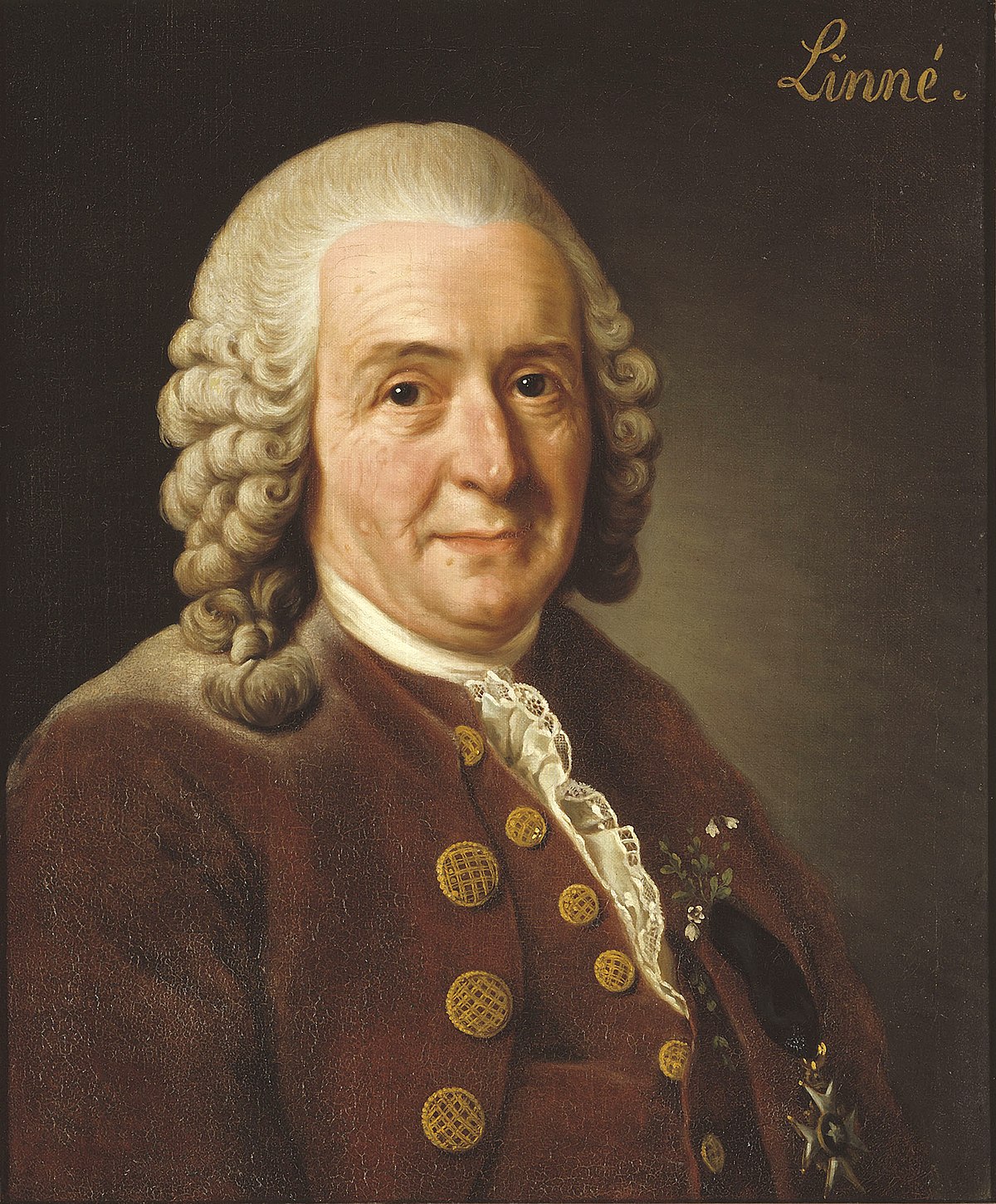
23 May — Carl Linnaeus is born, a Swedish naturalist and the creator of a classification system for the plant and animal world.
The Bulavin Rebellion
In the years preceding the Bulavin Rebellion, a range of social grievances was widespread among Russia's peasantry. The radical reforms of Peter the Great, aimed at "Westernizing" old Muscovy in the 18th century, were met with broad discontent. Pious, deeply conservative masses saw his reforms as an affront to their traditional way of life and their Eastern Orthodox faith. Peter was even equated with the Antichrist and regarded as an impostor posing as the true tsar. On top of everything else, Peter's newly created police state was expanding territorially, and this expansion encroached on salt-extraction sites that the Cossacks wanted to preserve for their own production. This land dispute was, in a sense, an economic issue, but the Cossacks also viewed it as an intrusion into their semi-autonomous political order. Overall, the entire rural Russian atmosphere was in an agitated state, awaiting some kind of catalyst.
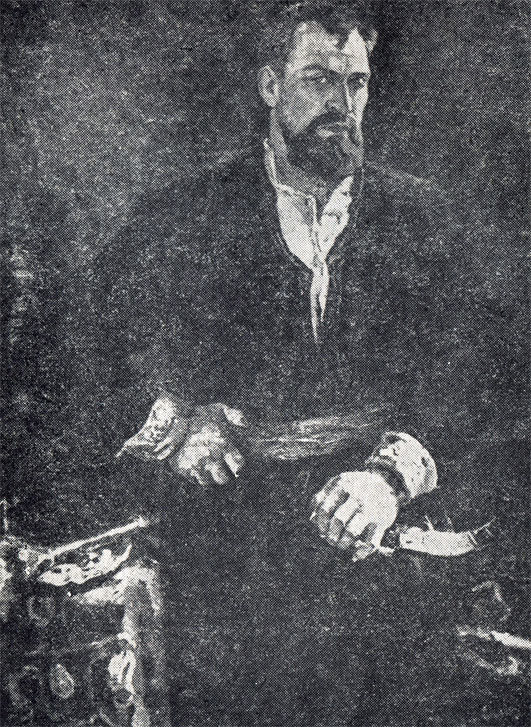
In response to the restrictions and fears associated with life in Peter's police state, large numbers of serfs fled, leaving major urban areas, especially Moscow and the new capital, Saint Petersburg. While some groups emigrated to Poland or Austria, many chose to avoid border patrols and instead escaped to the rural periphery and riverine regions already inhabited by Cossacks. Peter's policy was to track down and arrest fugitives and return them to their masters, where they could be taxed, a policy that by then had no statute of limitations. In line with this policy, Peter dispatched a group of bounty hunters under the command of Yuri Dolgorukov[1] to scout Cossack territories in search of runaway peasants. Although the Cossacks harbored some resentment toward the peasants (for overcrowding their region and, more generally, competing for local resources), even more troubling to them was the idea that Petrine agents could roam freely across their lands. They not only refused to hand over the runaway peasants, but on 8 October 1707 a small group of local atamans led by Kondraty Bulavin ambushed and killed Dolgorukov and his men in the village of Shulgin on the Aidar River, opening the door to violence and marking the beginning of the Bulavin uprising.