
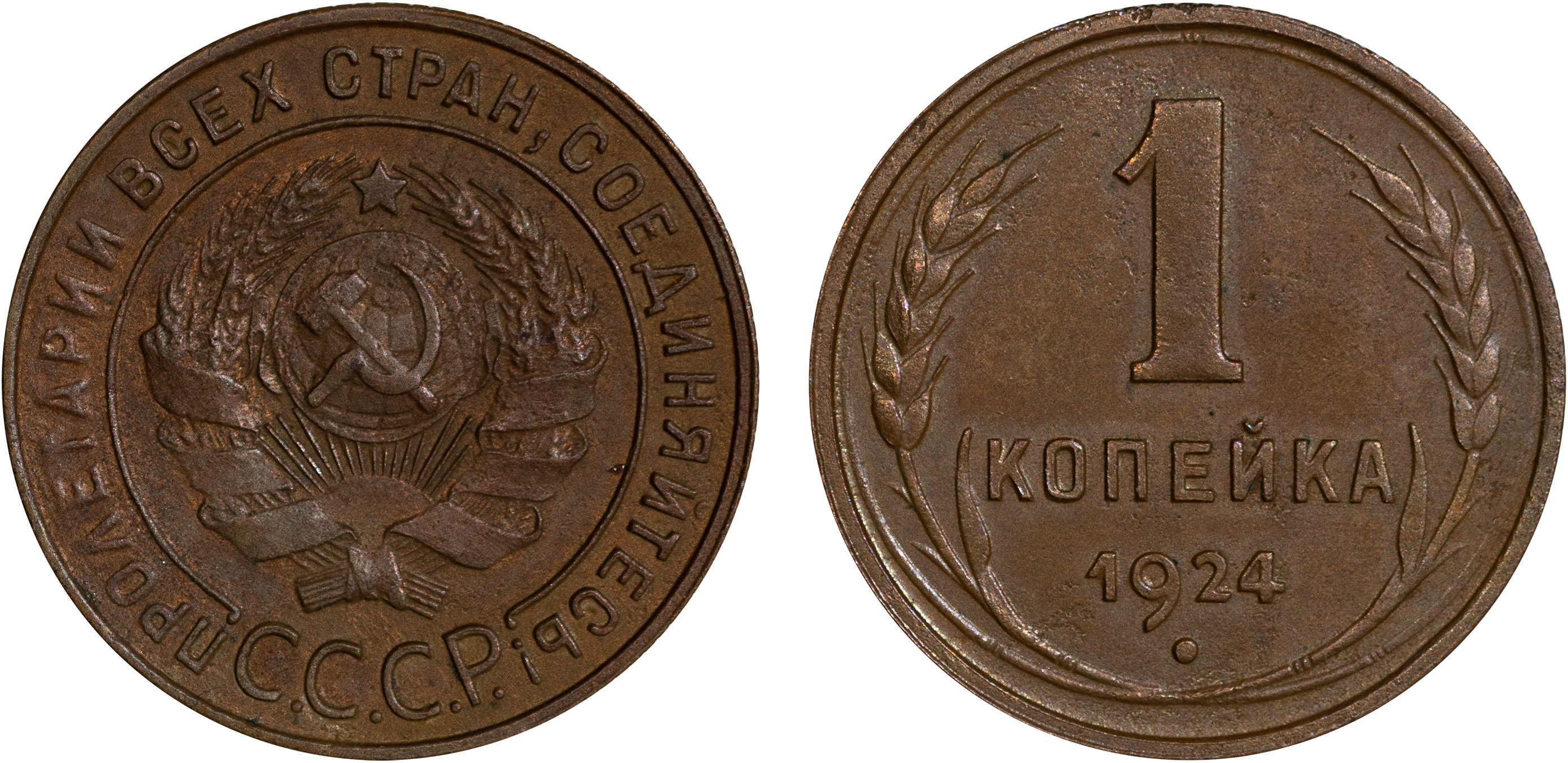
January 26 — Petrograd was renamed Leningrad.
January 27 — Lenin’s Mausoleum was opened in Moscow. The base of the structure was a cube with sides of 3 meters. On top were two more cubes, each successively smaller, and extensions were built along the edges through which one could enter and exit. By the right staircase, visitors could reach the Mourning Hall, lit by two large frosted chandeliers. The hall’s walls were draped in red fabric with black stripes.
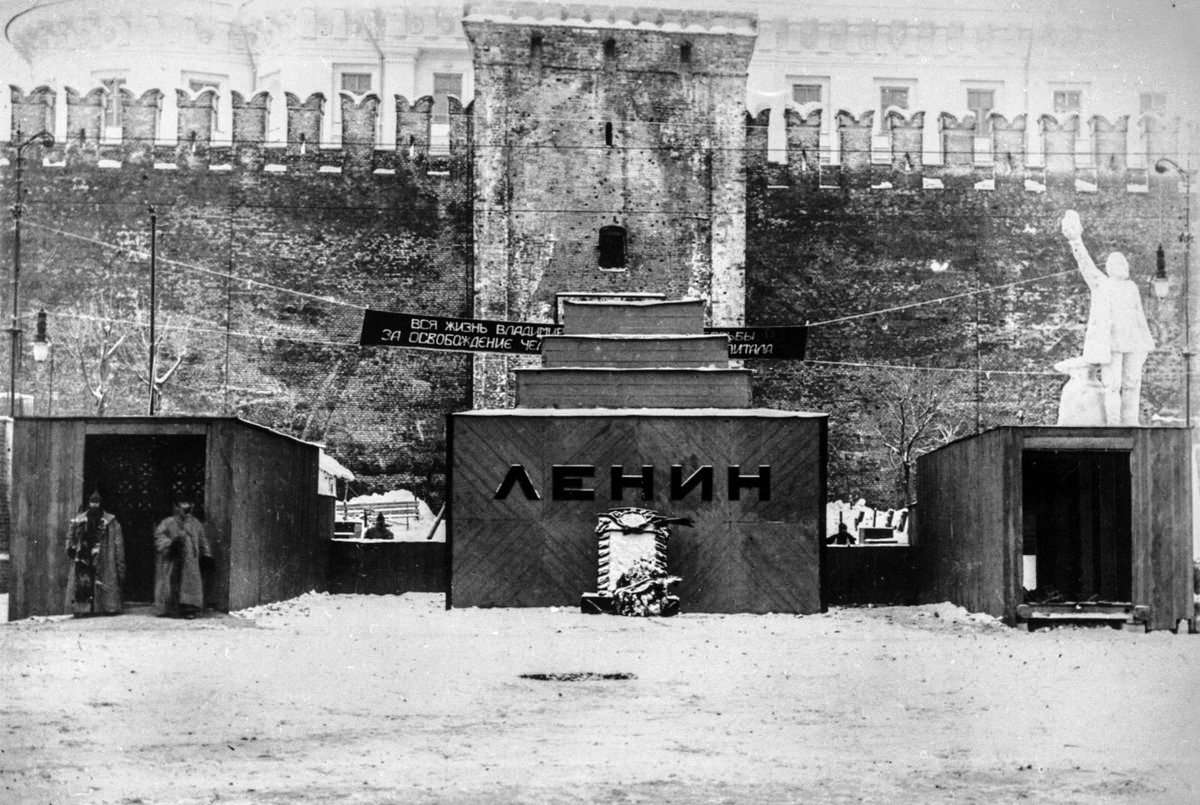
However, from the very first days the building’s shortcomings became clearly visible. The most obvious were the narrow staircase and the small Mourning Hall. In addition, as the flow of people moved through, the hall became too hot, which had a negative effect on Lenin’s body.
This Mausoleum stood for only a short time: already in spring the leader’s body was taken out for embalming for a longer period, and the tomb was closed.
The second version of the Mausoleum appeared in August.
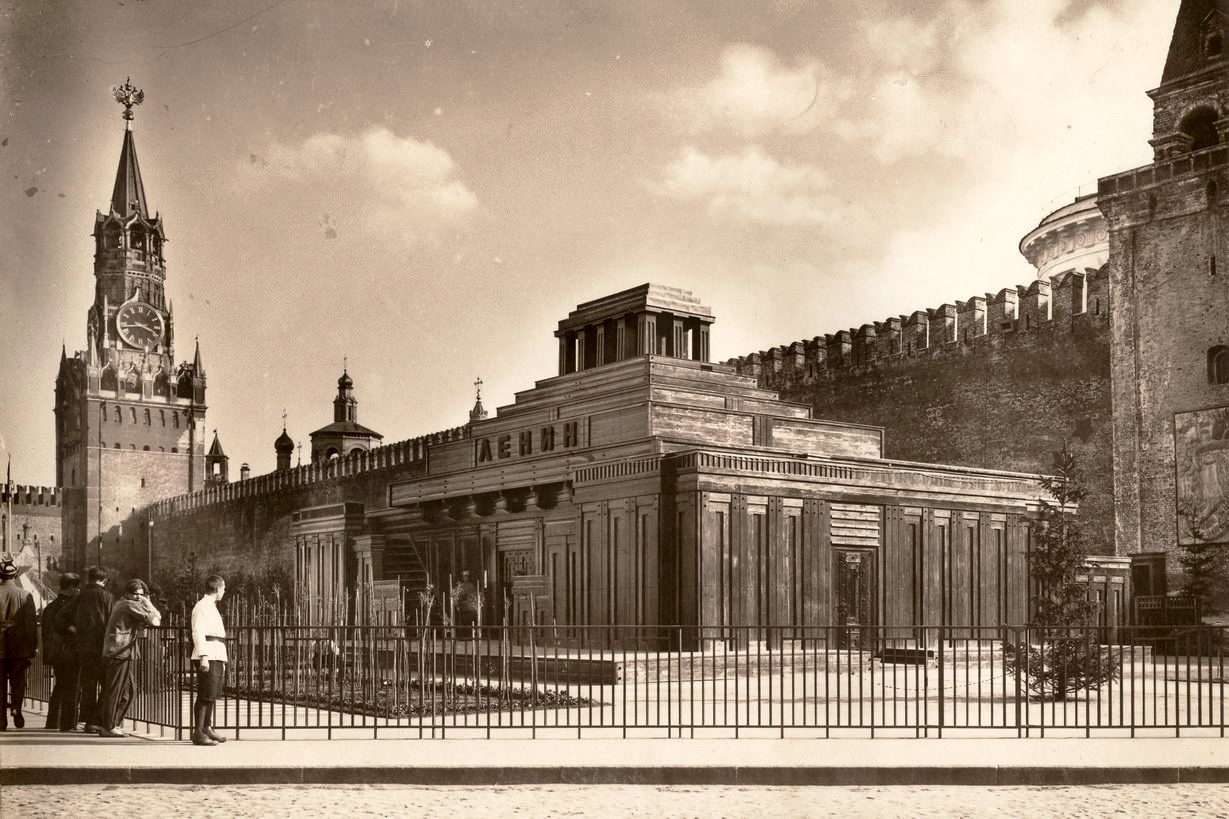
It also had a wooden frame and was clad in varnished oak. But this time a portico and stands were added. Around the tomb, a small square was laid out and enclosed with a cast-iron fence. This composition remained until 1929.
January 31 — the first Constitution of the USSR was adopted.
November 26 — proclamation of the Mongolian People’s Republic.
May 16 — the first issue of the magazine “Murzilka” was published in the USSR, intended for children of primary school age (6 to 12), and it very quickly became a popular children’s literary and artistic publication. Murzilka traces its history back as far as 1879, when the Canadian artist and poet Palmer Cox created a cycle of poems with his own illustrations about the little folk called “Brownies” — small people, relatives of house spirits, with brown uncombed hair (which is why they were called “Brownies”). First appearing in the magazine “Wide Awake”, they began a triumphant march across America and then around the world.
They reached Russia thanks to the well-known writer Anna Khvolson, who made a free translation of Cox’s texts, giving the characters different names. This is how the name Murzilka was born. In 1913, Khvolson’s book “New Murzilka. Amazing Adventures and Wanderings of Little Forest People” was published in Russia, where the main character was Murzilka — a little man in a frock coat, with a cane and a monocle. These tales were very popular, but after the 1917 revolution the book was no longer published, and everyone forgot about this hero. Murzilka was remembered again in 1924, when a new children’s magazine was being created under “Rabochaya Gazeta”, and everyone liked this title.
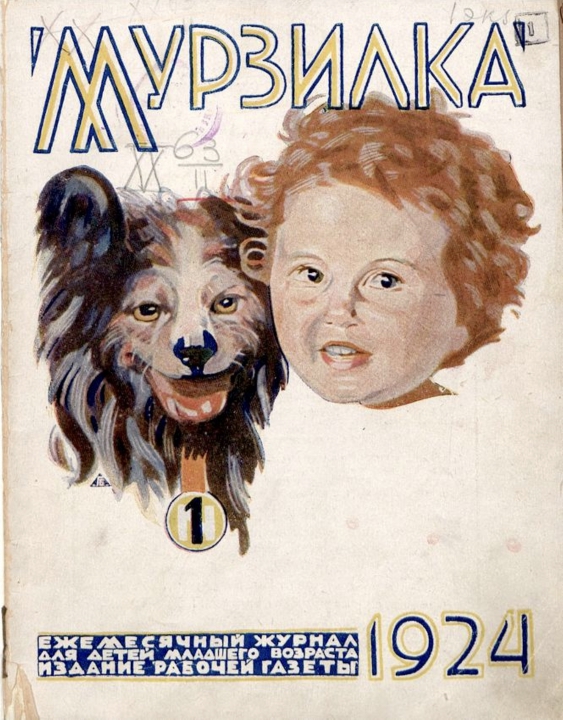
But they could hardly put a house spirit on the cover of a Soviet magazine! So Murzilka became a ginger mixed-breed puppy who accompanied his owner everywhere — a boy named Petka.