
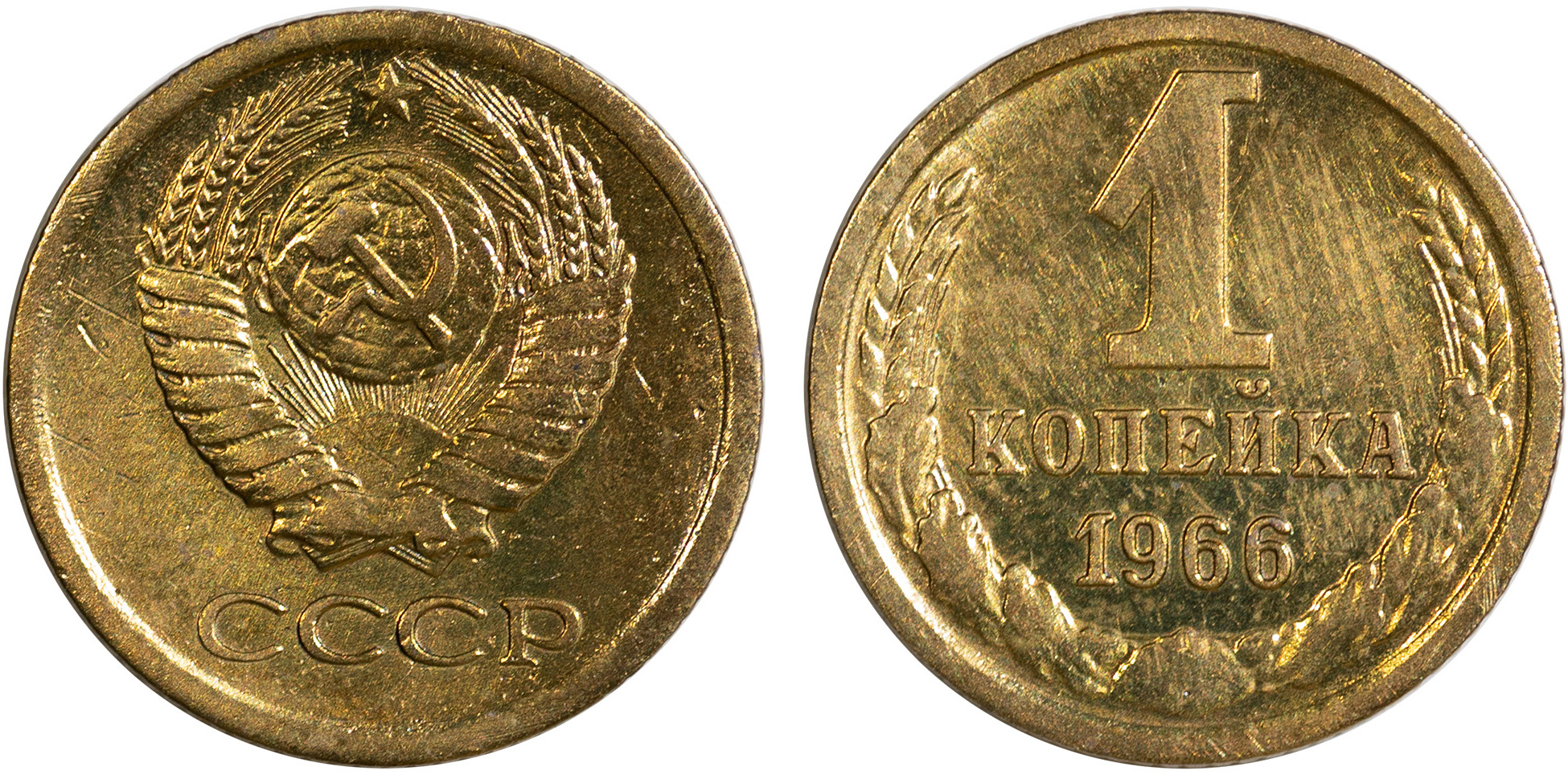
April 8 — Leonid Brezhnev elected General Secretary of the CPSU Central Committee.
July 1 — by a resolution of the CPSU Central Committee and the USSR Council of Ministers dated May 18, 1966, “On increasing the material incentives of collective farmers in the development of social production,” guaranteed wages for collective farmers were introduced in place of workday units (trudodni), including the right to additional pay and bonuses. Before that, instead of money each collective farmer was credited with trudodni, and at the end of the year settlement was made in agricultural produce according to their number. The idea was that peasants would fulfill a set quota, and in return the collective farm would issue them a portion of the harvested grain or other foodstuffs.
The government explained the introduction of the trudodni system as follows. Economic instability and poor-harvest years triggered mass famine. Such methods of paying collective farmers made it possible to support the population with food, since money was useless when there was no food. The trudodni system took root for almost 36 years and was abolished only in 1966.
In practice, the system of recording “ticks” for trudodni on a collective farm was confusing and difficult to control. For each day worked and for meeting the quota (which mattered), a tick was entered into the record book. However, the quotas were so enormous that a peasant could not always meet them. For this, a quarter of the trudodni was deducted as a penalty. The law prohibited full settlement in a collective farm where the quota had not been met.
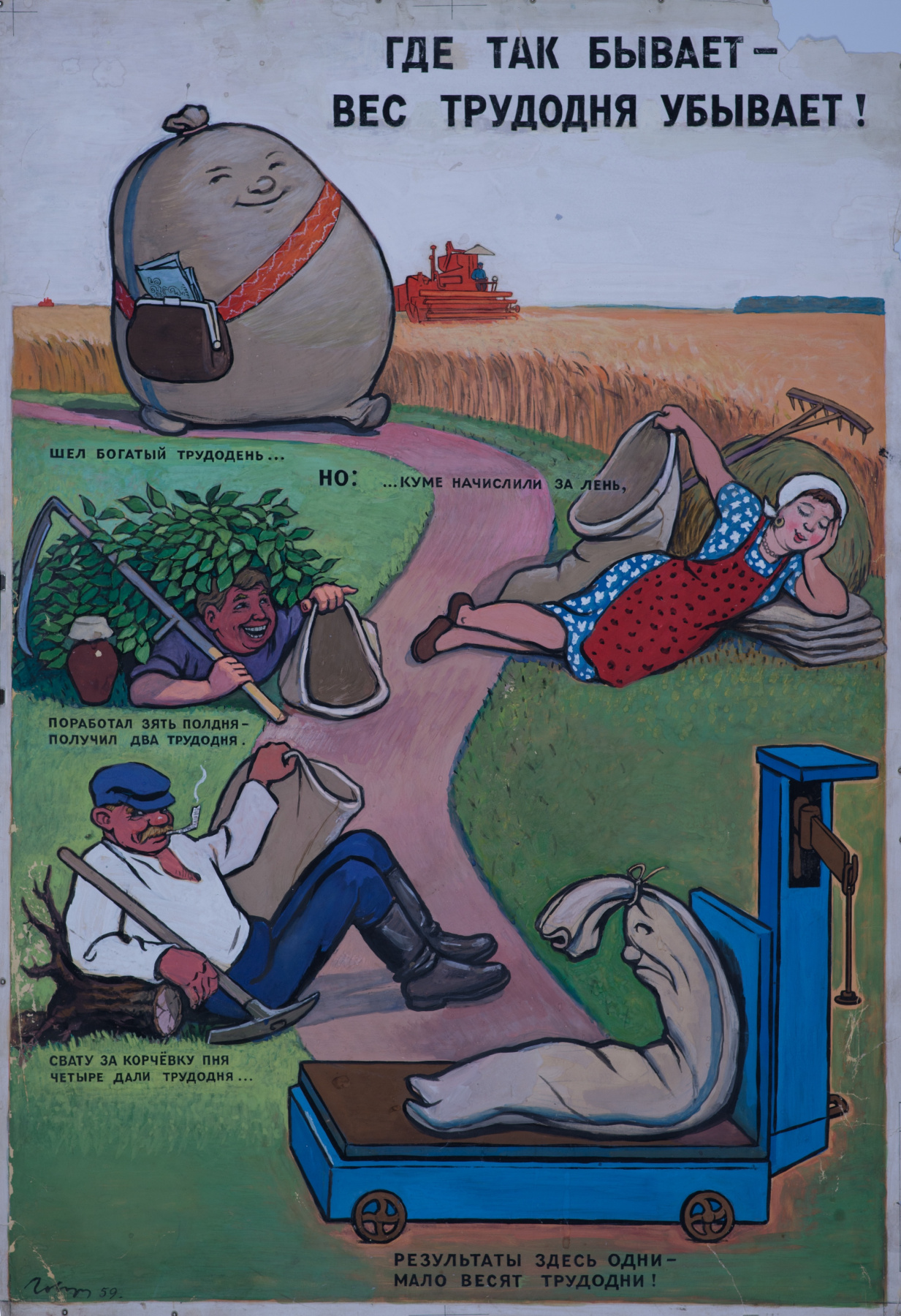
One working day was not equal to one “trudoden”; what mattered was collecting a certain number of kilograms of grain, preparing a certain amount of firewood, and so on.
Quotas were set for each peasant. To somehow support their families and not die of hunger (and that did happen), peasants brought children to work. Children helped in the fields, covering part of their quota as they could; the rest was done by their parents.
Few people could like such a pay system. At first, peasants abandoned the farm and fled to the city, where they tried to find any job at all. There they lived an extremely poor, but not as hungry, life.
Realizing that agriculture was suffering from such migration, in 1932 a decision was made to ban the issuance of passports to peasants. From then on, it was impossible to obtain a passport at the rural council and leave of one’s own free will. The chairman of the collective farm personally decided whether someone could go to the city, continue studies at a university or vocational school. Not returning from the army to one’s home village became common.
However, for four more years after wages were introduced, collective farmers’ passports were kept by the administrations. Without the chairman’s permission, people had no right to go anywhere.
Everyone who worked under that system later received a meager pension; by law it was calculated as for “parasites,” since there was no monetary basis for calculating contributions.