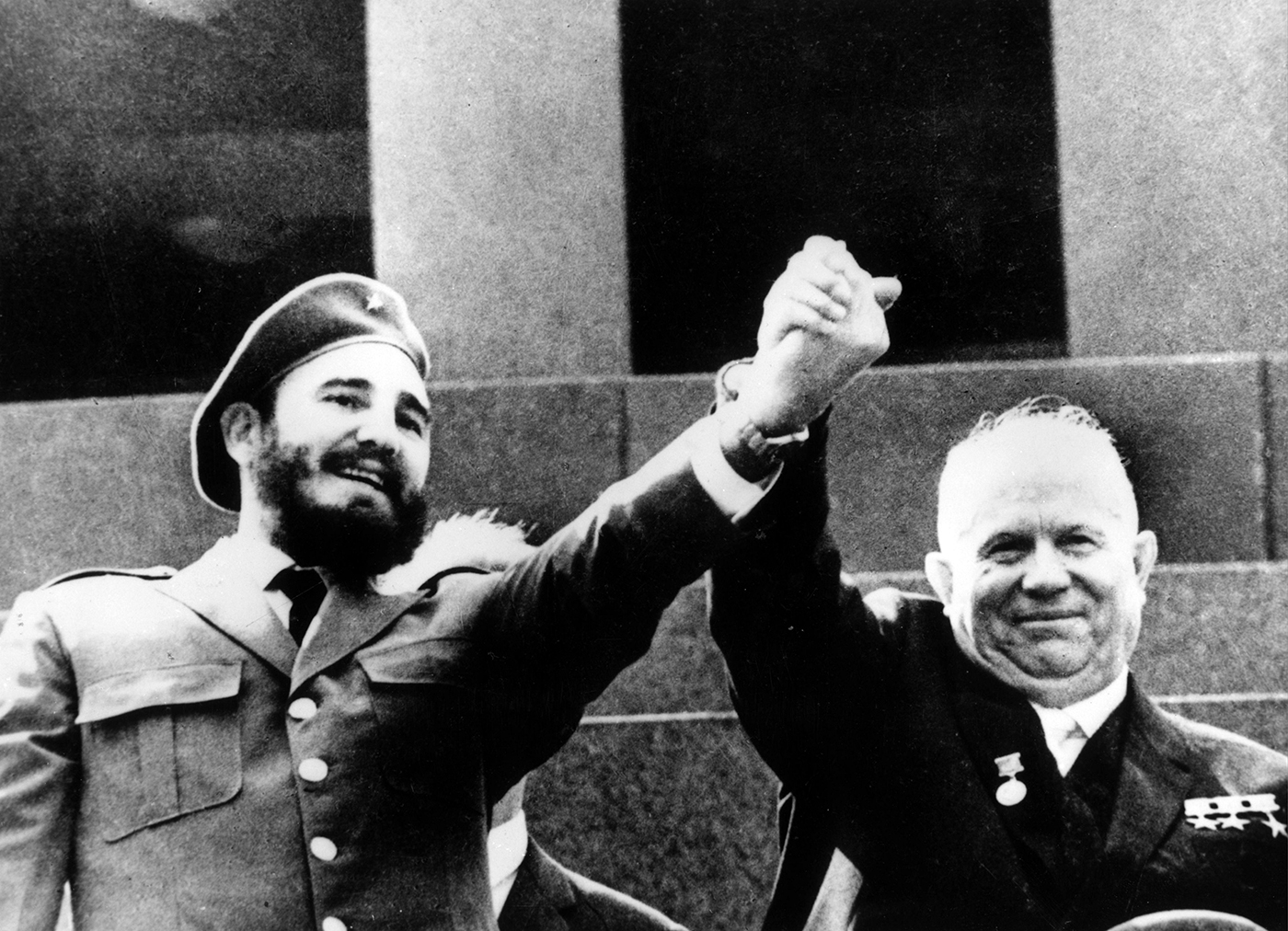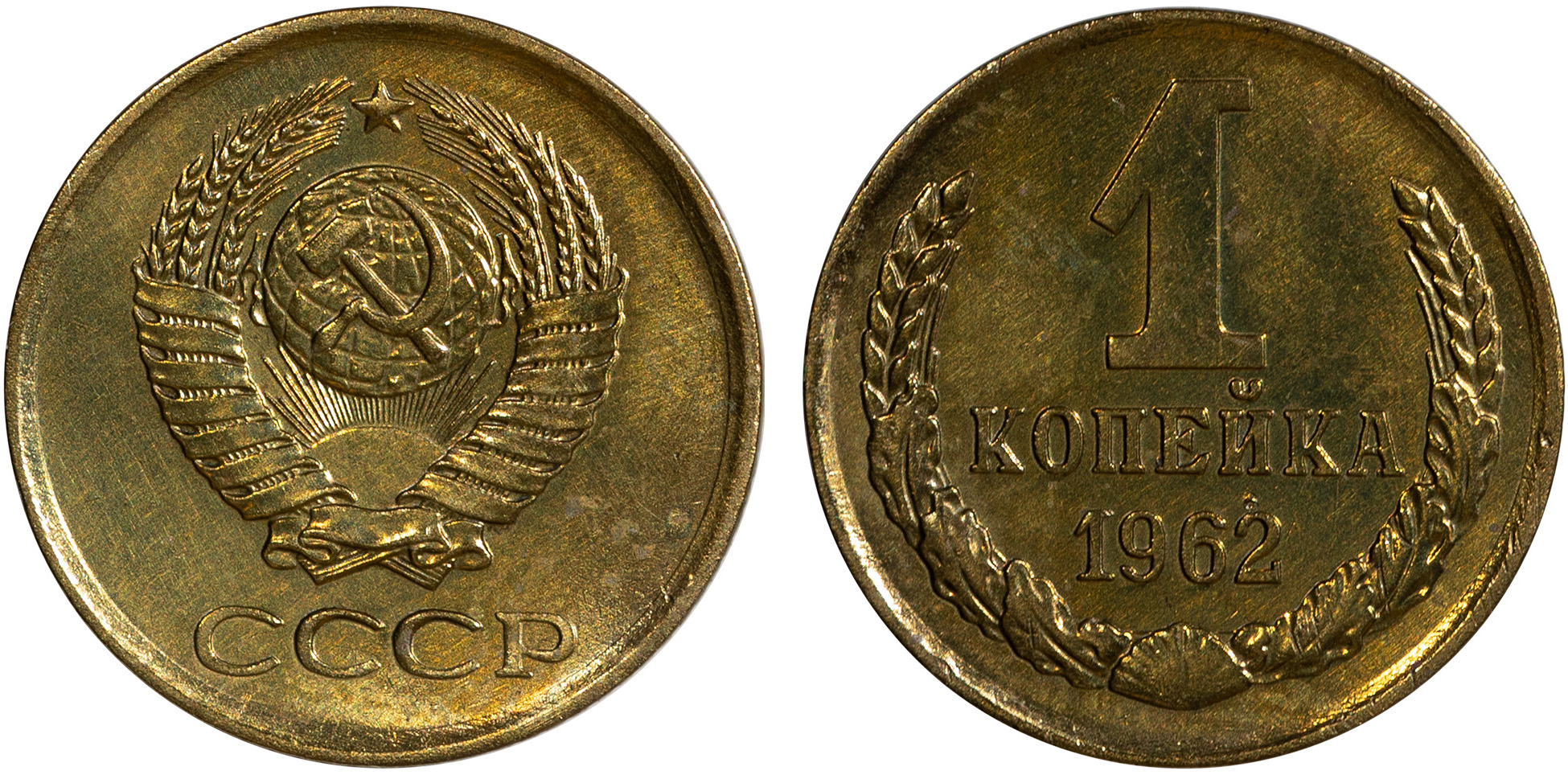
22 October — The beginning of the Caribbean Crisis, a confrontation between the USSR and the United States after the Soviet Union deployed military units and weapons in Cuba, including nuclear missiles.
The United States’ desire to put an end to the Cuban Revolution that triumphed in January 1959 was not limited to trade and economic sanctions. The organization of counterrevolutionary uprisings in the cities of Trinidad and Cienfuegos, in Camaguey Province, air raids on Cuban airfields in Santiago de Cuba and Havana, the organization of a direct armed invasion in the Playa Giron area in April 1961, the constant presence of aircraft carriers and Marine landing ships near the island’s shores—all these means of military pressure on Cuba were widely and openly used by the United States. Cuba was able to defend itself from military aggression with the help of the USSR. The Cuban government concluded an agreement with the government of the USSR to deploy strategic weapons on the island—Soviet medium-range missiles. On 22 October, the U.S. government announced that missiles had been discovered in Cuba.
On the same day, U.S. President John Kennedy announced the establishment of a naval blockade around Cuba.
In Florida, an American force of nearly 250,000 troops was concentrated, consisting of Marine, aviation, airborne, tank, and other divisions, corps, and units. In response, the USSR declared it would deliver “the most powerful retaliatory strike.”
In the USSR, all Armed Forces were placed on heightened combat readiness. Cuban troops concentrated on the coast, at likely landing sites. All important facilities, bridges, and power plants were placed under guard.
In Havana, anti-aircraft guns were installed in public squares and opened fire when American aircraft flew over.
That same day, the UN Security Council was convened to discuss the removal of Soviet missiles from Cuba in conjunction with renouncing an invasion of the island.
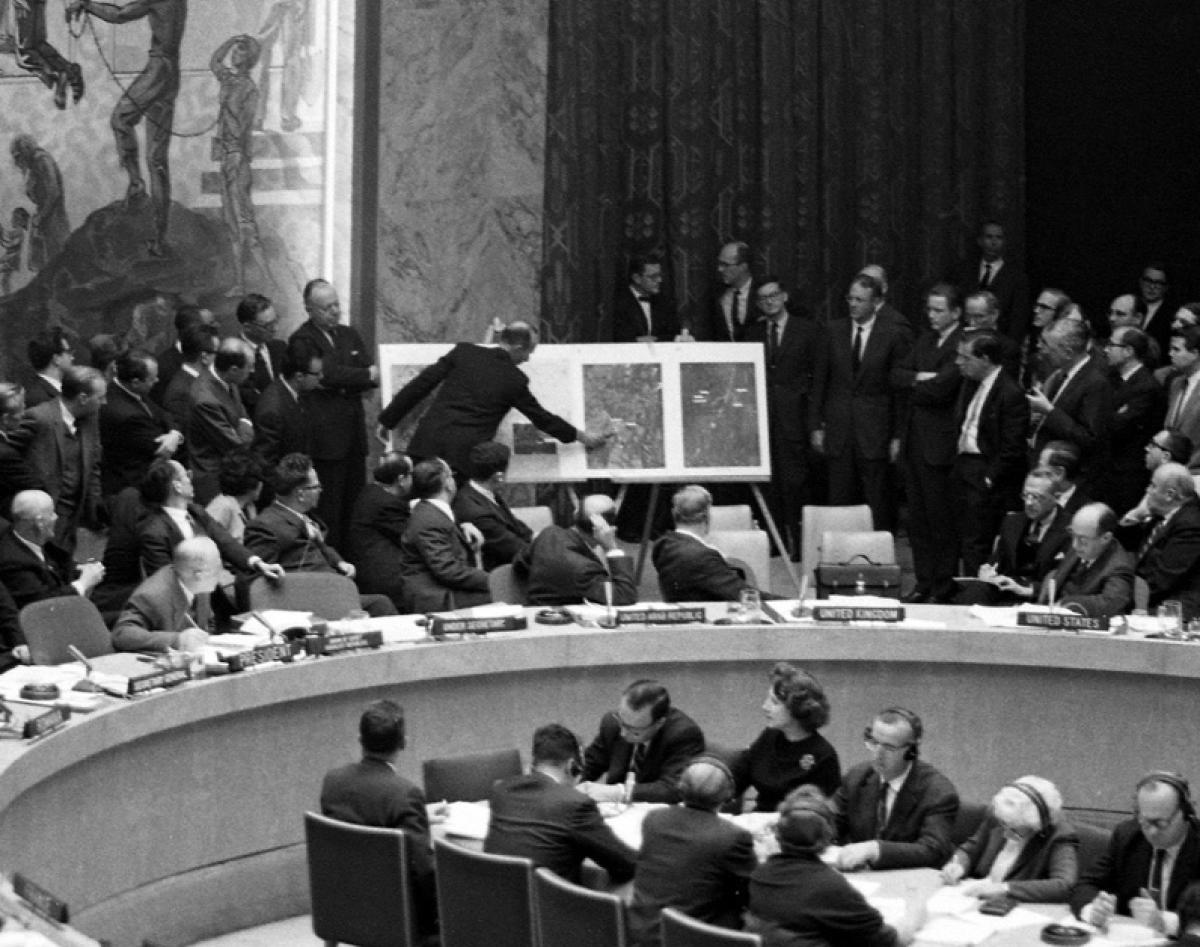
Events developed rapidly. Exchanges of messages and statements between the leaders of the United States and the USSR, a downed American U-2 reconnaissance aircraft flying over Cuban field deployment areas of the missile forces, a U.S. ultimatum with threats to begin hostilities... Still, common sense prevailed.
As a result of the compromise reached, a decision was made to withdraw the R-12 missiles from Cuba. On 31 October, the Acting UN Secretary-General U Thant, who arrived on the island to address the aftermath of the conflict, was informed that the missile launchers were being dismantled.
From 5 to 9 November, the missiles were removed from Cuba. On 20 November, the USSR agreed to withdraw Soviet bombers from Cuba.
The next day, the United States lifted the naval blockade of Cuba. On 12 December 1962, the Soviet side completed the withdrawal of personnel, missile weapons, and equipment.
In January 1963, the UN received assurances from the USSR and the United States that the Caribbean (Cuban) Crisis had been resolved.