
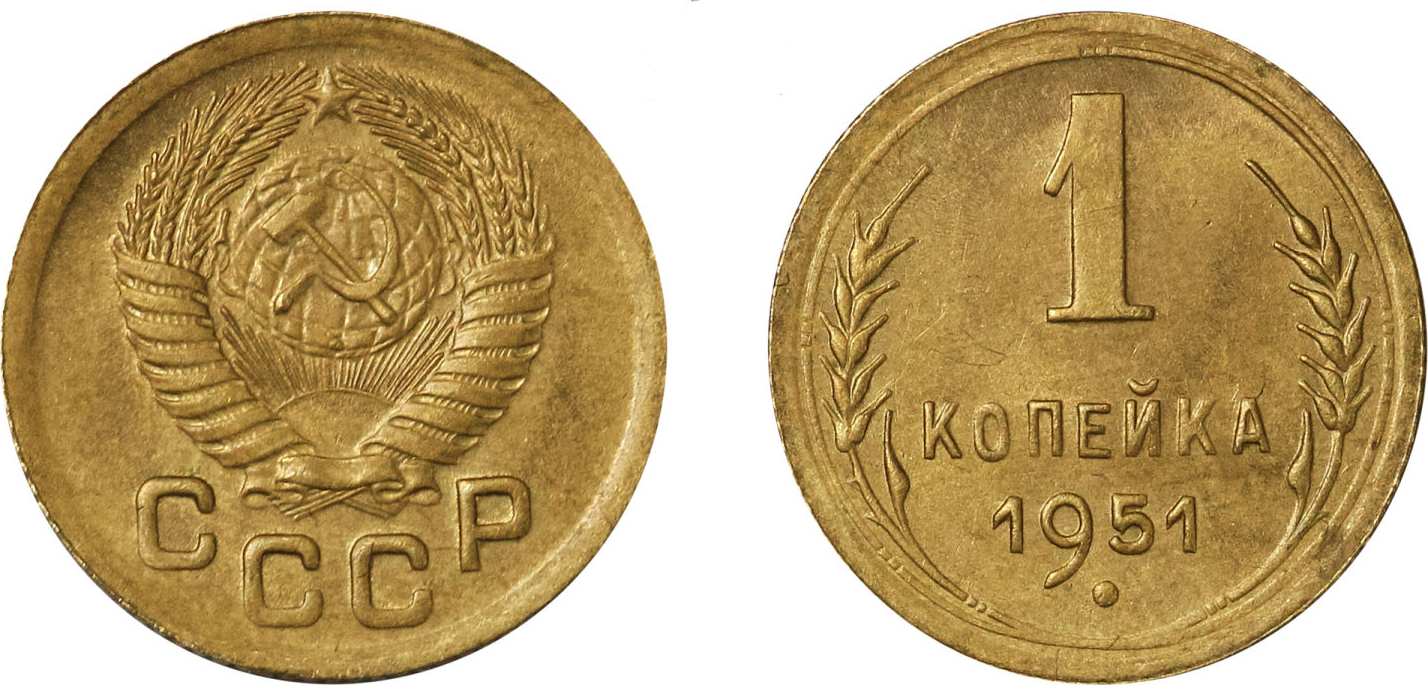
26 July 1951 — during excavations in Veliky Novgorod, an archaeological expedition led by Professor Artemy Artsikhovsky discovered the first birchbark letter.
After World War II, the terrible destruction of Novgorod gave archaeologists complete freedom of action. Excavations could be carried out almost anywhere. The dig was started after, shortly before work began, an ancient street was discovered in a trench for utilities, consisting of several tiers of wooden paving. The site for long-term excavations proved convenient, since this block in the city center had been completely destroyed during the war and was a large vacant lot.
The first Nerevsky excavation, with an area of 360 sq. m, was divided into two sections, led by G.A. Avdusina and V.L. Yanin. It was laid out with the wooden paving of the ancient street identified in the trench in mind, which made it possible to study it in detail over a length of 20 m. Despite the enormous cultural layer, reaching 7.5 m in this place, the excavation was taken down to the natural ground within a single field season. The street uncovered at the dig, comprising 27 tiers of wooden pavements, after being tied to 18th-century city plans and compared with 16th-century scribal books, was identified as Kholopya Street.
The preservation of the cultural layer in this part of the city—its thickness and its richness in the remains of wooden structures and objects of material culture—proved unprecedented.
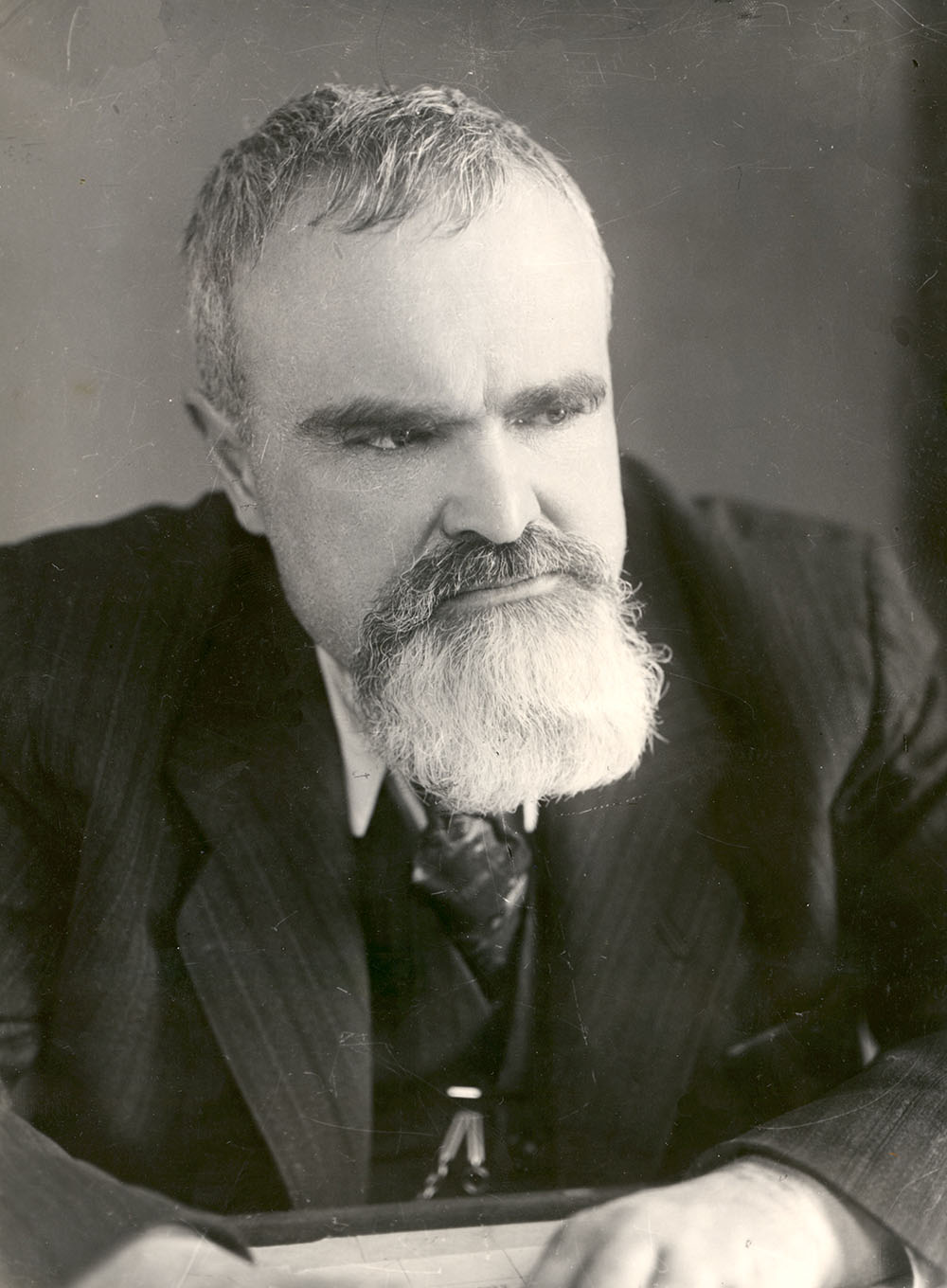
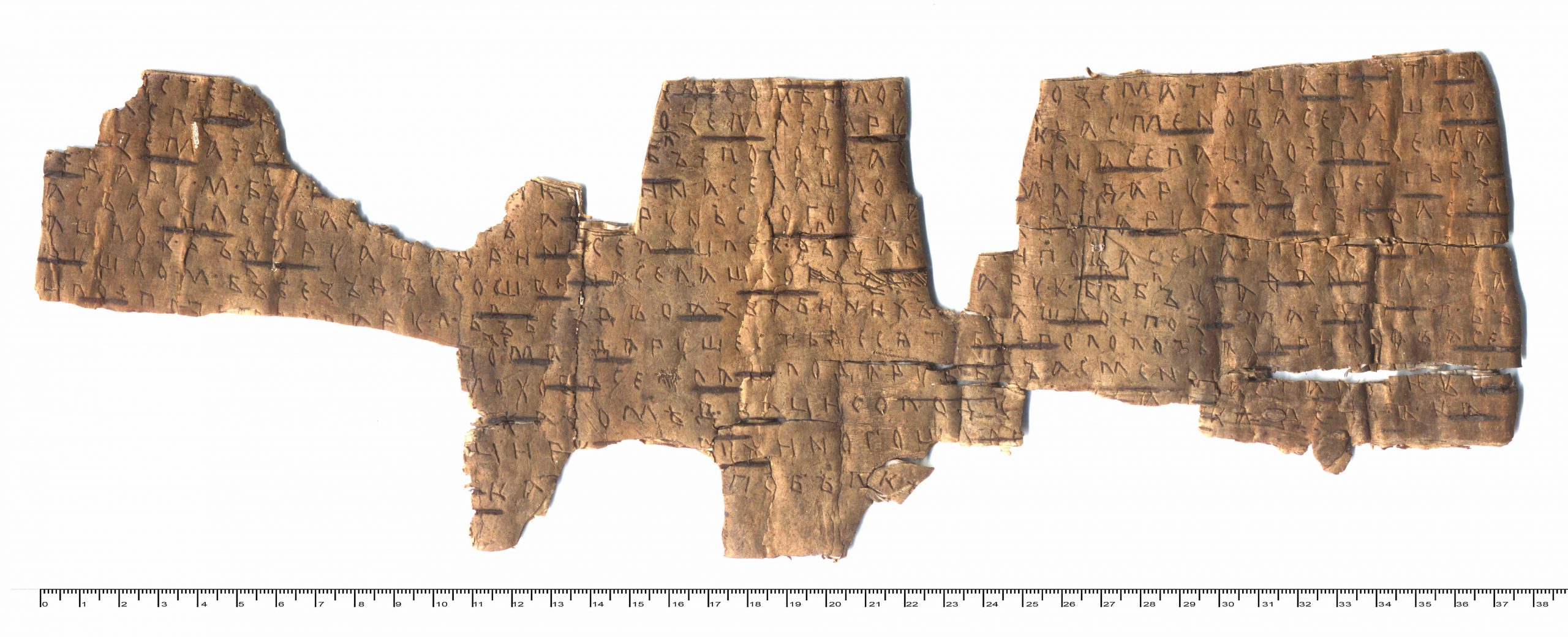
Artsikhovsky had foreseen this discovery. During the excavations he insisted that every scrap of birchbark found be examined carefully, although everyone considered it an eccentricity. And when, on 26 July 1951, expedition worker Nina Akulova lifted a birchbark scroll on which letters were clearly visible, Artsikhovsky first gasped with excitement and then uttered his now-historic phrase: “I have been waiting for this find for 20 years!”
The very first Old Russian birchbark letter—a little note from a commoner who lived in the 15th century—was found on the ancient wooden paving of Kholopya Street in layers dating to the 14th–15th centuries.
Soon birchbark letters were found in excavations in Moscow, Pskov, Smolensk, Staraya Russa, Tver, Torzhok, as well as in the Belarusian cities of Vitebsk and Mstsislaw and in the Ukrainian city of Zvenyhorod. Today, more than a thousand such letters are known. About 30 of the oldest birchbark “messages from the past” are dated to the first half of the 11th century, and the most recent letter dates to the mid-15th century. More than 450 letters were written in the 11th–13th centuries, before the invasion of Kievan Rus’ by the armies of Genghis Khan. The value of these birchbark “messages” lies in the fact that they revealed an entire layer of information that chronicle sources could not provide.
Unlike the texts of Old Russian chronicles, birchbark letters were full of purely everyday details. Their everyday subject matter also determined the manner of narration. Most “messages from the past” are written in the Old Russian vernacular, and only a small part of them in the bookish Church Slavonic. According to specialists, Novgorod’s cultural layers still preserve about 20,000 more Old Russian birchbark letters.